Hanoi (VNA) – Vietnam’s consumer price index (CPI) in February rose 1.14% from the previous month as prices increased in most major groups of goods and services, the National Statistics Office (NSO) under the Ministry of Finance announced on March 6.
The increase was recorded in both urban and rural areas, which saw rises of 1.12% and 1.17%, respectively.
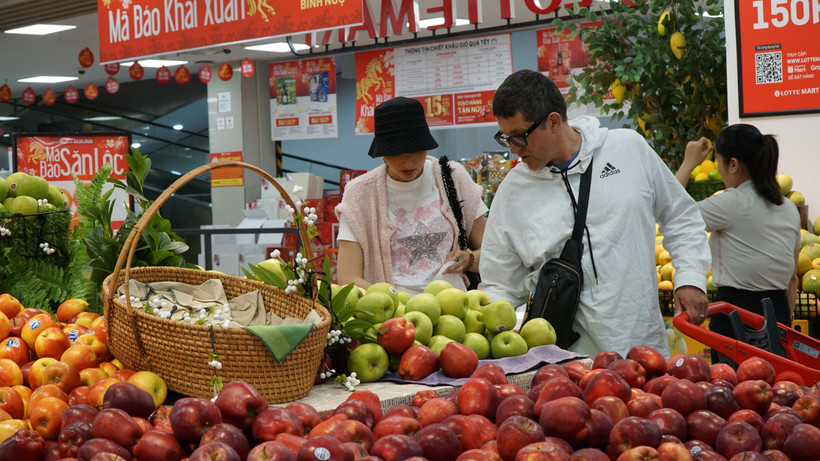
The NSO attributed the rise mainly to higher prices of food, catering services and transport, driven by stronger consumer demand for shopping and travel during the Lunar New Year (Tet) holiday.
On average, in the first two months of 2026, CPI increased by 2.94% year-on-year, while core inflation rose by 3.47%.
During the period, the price index for the food and catering services group rose 4.46%, pushing up the overall CPI by 1.6 percentage points. Within the group, pork prices climbed 8.49% due to supply shortages amid strong holiday demand, while prices of fresh poultry increased 4.42%.
The housing and construction materials group recorded a 5.6% increase in prices, contributing 1.27 percentage points to overall CPI growth. The rise was mainly driven by higher prices of construction materials such as sand and stone, along with increasing rental costs. Household electricity prices also rose 5.61% as consumption increased and following the adjustment of the average retail electricity tariff by Vietnam Electricity from May 10, 2025.
The education group’s price index increased 3.17%, contributing 0.19 percentage points to CPI growth as some private and semi-public schools adjusted tuition fees for the 2025–2026 academic year.
Prices in the culture, entertainment and tourism group rose 1.71%, while the medicine and healthcare services group increased 0.83%.
However, several factors helped ease CPI growth. The transport group’s price index fell 3.48%, reducing the overall CPI by 0.35 percentage points, largely due to a 9% decline in petrol and oil prices.
The information and communications group also recorded a 0.26% drop as prices of older-generation mobile phones declined amid promotional programmes launched by businesses.
The NSO reported that domestic gold prices moved in line with global trends. As of February 28, the average global gold price reached 5,023.09 USD per ounce, up 6.12% from the previous month, driven by rising safe-haven demand amid economic and geopolitical uncertainties.
Domestically, stronger demand for gold purchases for good fortune on the God of Wealth Day following Tet contributed to an 11.42% rise in the gold price index in February compared with the previous month.
Meanwhile, the US dollar price index in the domestic market fell 0.89% month-on-month but increased 2.31% year-on-year. On average, in the first two months of 2026, the index rose 2.74% compared with the same period in 2025.
Core inflation in February rose 0.82% month-on-month and 3.74% year-on-year./.