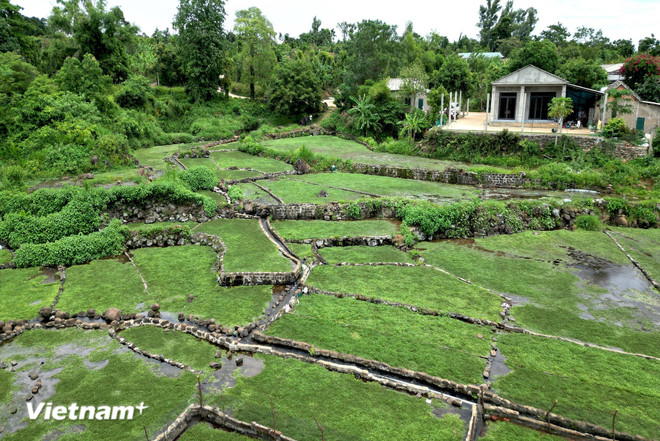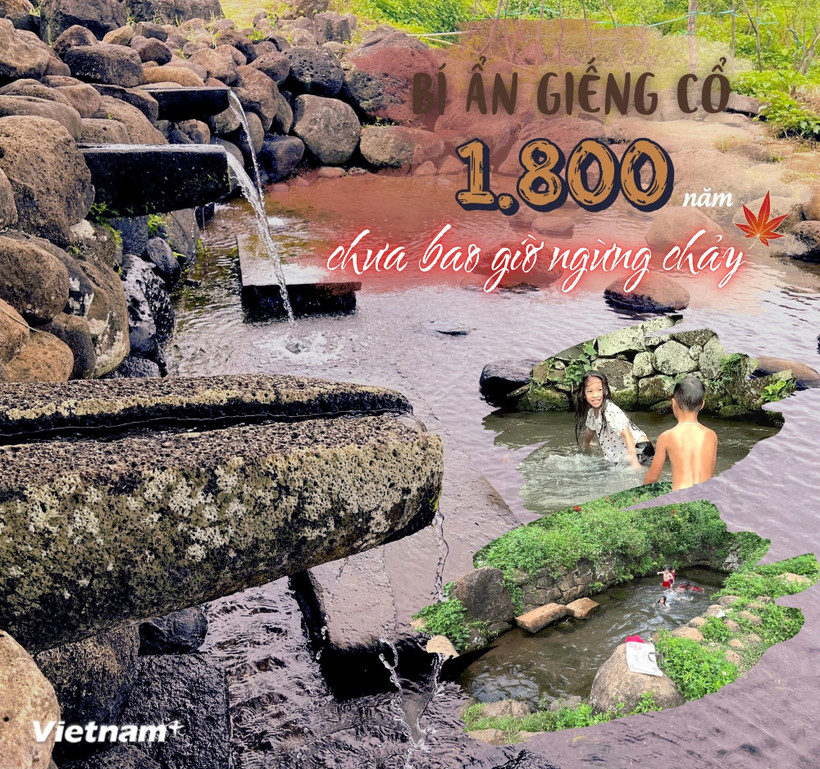
Hanoi (VNA) - The ancient Gio An wells, now in Tay Gio Linh commune, the central province of Quang Tri, are a remarkable cultural heritage site, dating back some 1,800 years. They stand out for their ingenious water conveyance system, created by the Cham people, which still delivers crystal-clear water that flows steadily through the centuries.
In Tay Gio Linh (formerly Gio An commune, Gio Linh district), the Gio An well system is not only a treasured historical and cultural relic but also an integral part of local life.
According to archaeologists, the system is approximately 1,800 years old. To this day, it remains intact and functional, ranking among the region’s most distinctive architectural works. It is a source of pride for local residents and a must-see destination for visitors.
An ingenious water system
The Gio An system comprises 14 wells across the villages of An Nha, An Huong, Hao Son, Long Son, and Tan Van. Each well has its own distinctive name, story, and meaning.
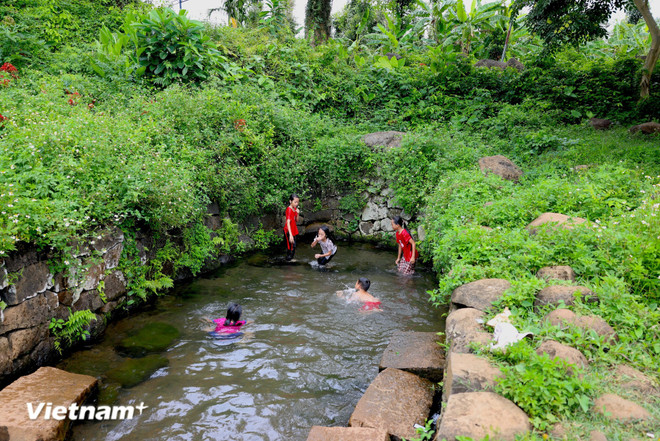
The Cham people carefully selected sites at the foot of red basalt hills, where underground water flowed. Using stone, they built channels, settling basins, and partitions to collect and store water through the dry season, ensuring a cool and pure supply year-round. Remarkably, the wells have never run dry – even in the scorching heat of summer or in the chill of winter.
Pham Van Vinh, the custodian of An Nha village’s communal house, explained that the local Trang well (one in the Gio An system) has two separate areas – one for men and one for women. “In the past, before drilled wells existed, the entire village relied on the water from this ancient well for daily life and agricultural production,” he shared.
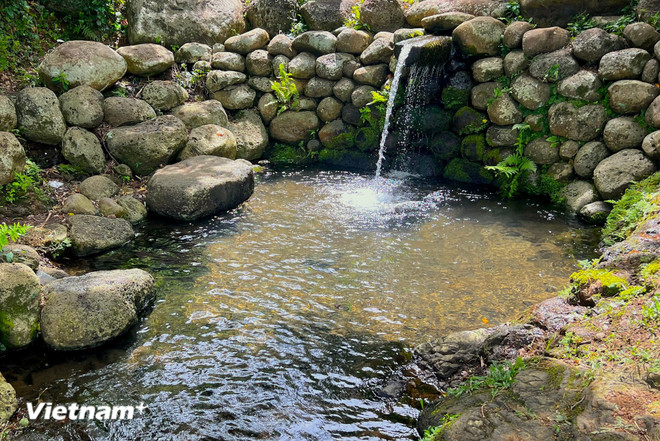
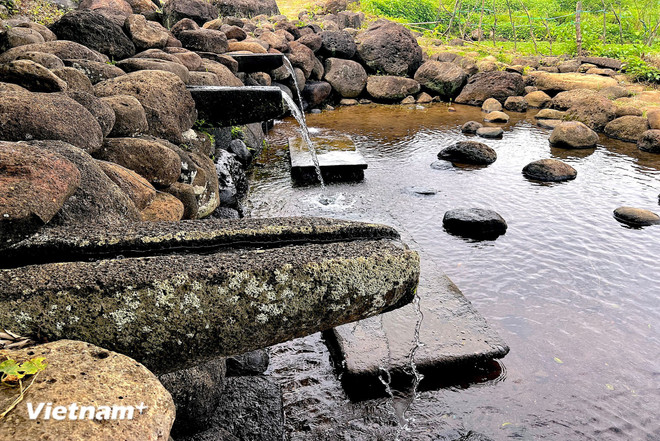
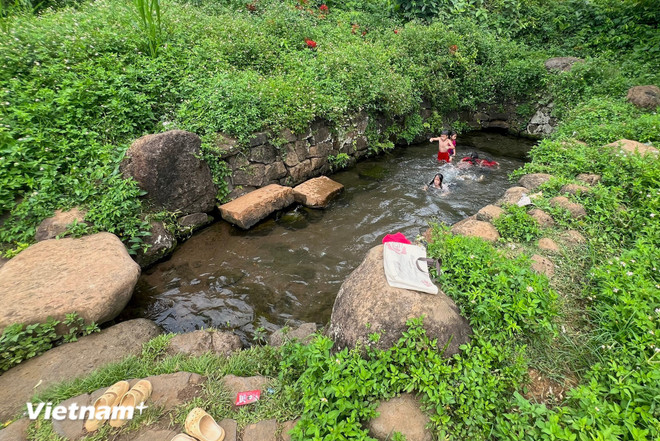
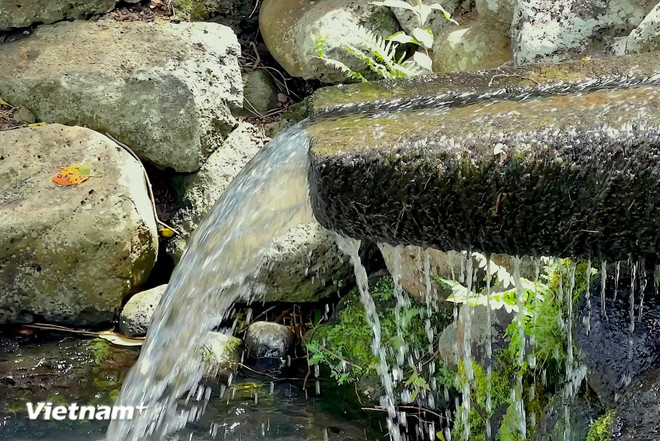
The Gio An wells are a testament to the intelligence and resourcefulness of the ancient Cham, who lived in harmony with nature, making the most of local conditions to serve the community sustainably. They are not only a historical heritage but also a proud feat of Cham engineering and water management.
Potential for eco-tourism
In 2001, the Gio An wells were recognised as a national historical and cultural relic.
Quang Tri has approved a conservation plan covering 3.74 hectares, including all 14 wells, their protective buffer zones, the surrounding landscapes and underground water sources.
Preservation efforts go beyond safeguarding the wells themselves, extending to the natural environment and local ecosystems. This approach supports the development of community-based and eco-tourism initiatives.
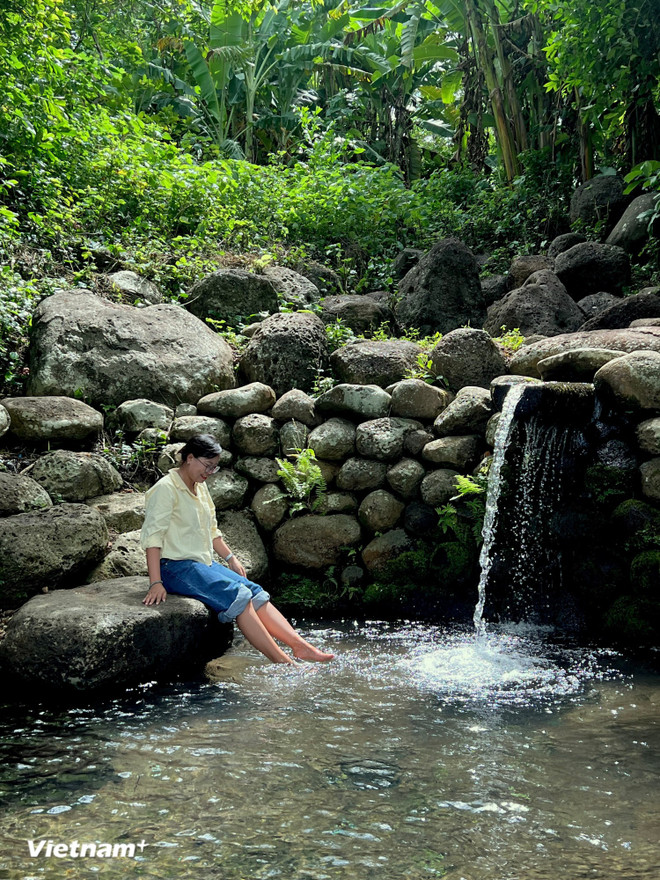
According to Le Xuan Quang, head of An Nha village’s Fatherland Front Committee, the wells in Hao Son and An Nha villages often attract visitors.
“We regularly clean the surrounding area to ensure a pleasant environment for tourists. For us, these ancient wells are a precious heritage, and we are committed to protecting them,” he said.
The site is well-positioned for integration into regional tourism routes, linking with attractions such as the Truong Son national martyrs’ cemetery, Cua Viet beach, and the Doc Mieu communications monument – offering strong potential to boost tourism in Quang Tri.
Around the wells, locals cultivate distinctive organic produce such as watercress, yam, purple yam, peppercorn, and turmeric – all grown using the wells’ pure water. This creates a model of sustainable agriculture that complements ecotourism.
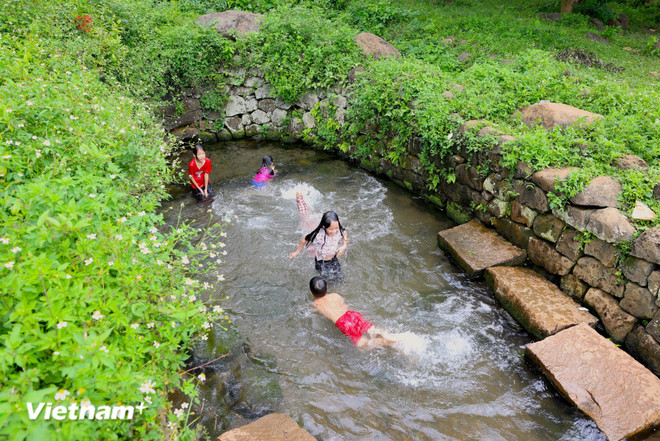
With its rich cultural, historical, and agricultural value, the well system is not just a relic of the past – it remains a vibrant part of modern life. Preserving and developing this heritage ensures that the legacy of the ancestors lives on, while bringing economic and social benefits to the community for generations to come./.