Hanoi (VNA) - The Government has recently issued two resolutions granting visa exemptions for citizens from 15 countries when entering Vietnam, which is expected to enhance the attractiveness and increase the country’s competitiveness.
With the newly passed policy, does Vietnam truly have the opportunity to make groundbreaking strides and become a leading destination in the region? Hoang Nhan Chinh, Chief of the Secretariat of the Tourism Advisory Board (TAB), talked to VietnamPlus about this matter.
Reporter: International media has recognised Vietnam’s tourism industry as having one of the best recovery rates in Southeast Asia, even surpassing renowned tourist destinations such as Thailand, Singapore, Indonesia, Malaysia, and the Philippines. In your opinion, with the more open visa policy now in place, do we have a competitive edge over these countries, and how can we increase our competitiveness?
Mr. Hoang Nhan Chinh: In my view, an open visa policy sends a signal that Vietnam is more accessible. This can attract tourists, especially independent travellers – a group sensitive to visa barriers. A flexible visa policy will create the image of an open and friendly destination, attracting investors, entrepreneurs, and long-term tourists.
In Southeast Asia, countries like Thailand, Singapore, Malaysia, and Indonesia have flexible visa policies to attract international tourists. If Vietnam does not expand its visa exemption policy, we could lose our competitive edge and fall behind other destinations.
In fact, Thailand currently offers visa exemptions for 98 countries, allowing stays from 30-90 days; Malaysia exempts visas for 165 countries, with stays ranging from 30-90 days; Singapore offers visa exemptions for 163 countries, with stays ranging from 30-90 days. Meanwhile, Vietnam currently exempts visas for only 30 countries, with a stay of 30-45 days, which is much less than other countries in the region. So, if we do not expand the list, we risk missing out on opportunities to compete with these countries.
If the visa exemption policy targets developed countries (the US, Canada, Australia) or the wealthy tourist groups like entrepreneurs and billionaires, Vietnam can compete directly with Singapore and Thailand in the high-end travel segment.

At present, Singapore is leading in terms of service quality but has high costs, while Thailand stands out for its affordable prices. However, Vietnam can leverage its unique culture and lower costs to position itself as an attractive alternative, encouraging tourists to prioritise Vietnam when planning their trips.
Reporter: The numbers you just analysed show that while Vietnam's visa exemption policy has become more open, it still lags behind other countries. It seems difficult to make a "radical revolution" in this policy right now, so why not focus on the easier steps first? What do you think can be improved in the short term?
Mr. Hoang Nhan Chinh: Vietnam has made significant improvements in its visa policy, with the exemption list expanded to 30 countries, and the stay duration increased to 45 days for those covered by unilateral exemptions. However, compared to regional countries like Thailand (exempting visas for 98 countries), Malaysia, and Singapore (both over 160 countries), this figure still seems modest.
If Vietnam cannot expand the visa exemption list in a "mass" manner like Thailand, which exempts visas for 98 countries, we could consider selectively targeting specific groups for visa exemptions, focusing on high-spending, high-potential tourists who can contribute significantly to the economy. This approach has been successfully adopted by many countries to optimise the benefits of visa policies without the need for large-scale expansion.
The Government is aiming to exempt visas for high-end tourists, as this group typically spends more on accommodation (5-star hotels, resorts), dining (fine dining), luxury shopping, and exclusive experiences (yacht tours, golf, private tours). According to the World Tourism Organisation, high-end tourists can spend 5-10 times more than average tourists, boosting revenue without the need to attract large numbers.
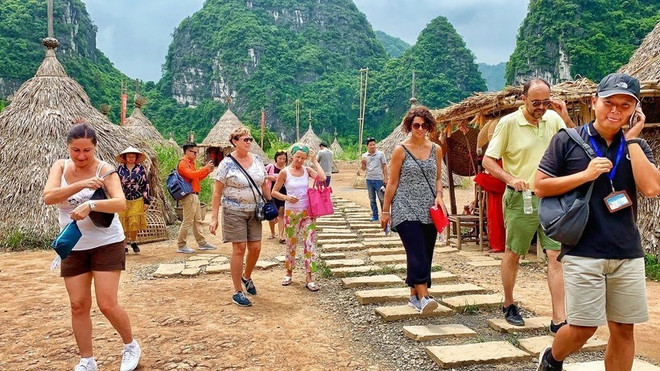
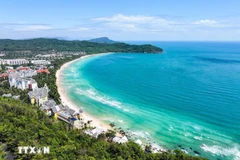
Moreover, Vietnam does not have enough tourism infrastructure to serve a very large number of tourists like Thailand, which welcomed 35.5 million visitors in 2024. By focusing on the high-end segment, we can reduce pressure on infrastructure while also making use of already developed destinations such as Phu Quoc, Da Nang, and Nha Trang, which offer high-end resorts and services.
Importantly, attracting high-end tourists such as businesspeople, billionaires, and celebrities will help position Vietnam as a luxurious, unique destination, rather than just a budget-friendly option. This creates natural promotional effects, similar to what places like the Maldives or Dubai have done.
I believe that selectively targeting specific tourist groups for visa exemptions, rather than expanding it broadly, will help Vietnam better control the flows of visitors, reduce the risks of illegal immigration or security issues, which are among the current barriers.
Reporter: The new visa policy, although a positive step, is not yet the "magnet" that will automatically draw international tourists to Vietnam. To attract large numbers of visitors, many other factors must come into play, such as promotional efforts, branding, and especially the creation of attractive, innovative tourism products.
Mr. Hoang Nhan Chinh: That’s right. The new visa policy, while a positive and important move, cannot be seen as a “magnet” that will automatically attract international tourists to Vietnam. This policy is just one part of the tourism ecosystem, and its effectiveness truly depends on the synergy of many other factors, such as promotional efforts, branding, and, most importantly, the development of diverse and innovative tourism products to attract and retain visitors.
A study by the World Tourism Organisation shows that 70% of travel decisions are based on a destination’s reputation and its tourism products, rather than solely on a convenient visa policy.

Experience from Thailand shows that their visa exemptions for 98 countries were just the first step, but real success came from offering diverse tourism products like floating markets, festivals, Thai massages, and strong promotional campaigns with a budget of 100 million USD a year. As a result, Thailand welcomed 35.5 million tourists in 2024, generating 48.5 billion USD in revenue.
Singapore exempts visas for 163 countries, but what keeps tourists there is iconic landmarks like Marina Bay Sands, cleanliness, and top-tier services, helping them generate 29 billion USD despite welcoming only 16.5 million visitors last year.
Therefore, while visa policies are necessary, they are not enough. Without appealing tourism products and effective promotional efforts, tourists may still choose Thailand, Malaysia, or Singapore.
In my opinion, Vietnam needs to change its approach and focus on the quality of experiences rather than just the quantity of tourists. If done right, Vietnam can not only catch up with Thailand but also become the top destination in Southeast Asia in the next decade.
Reporter: Thank you very much for your insights!