Hanoi (VNA) - According to the Ministry of Agriculture and Environment, the sector grew by 3.74% in the first four months of 2025. Exports exceeded 21 billion USD, maintaining a strong trade surplus and driving continued reform.
Minister Duy emphasized that if this growth momentum is maintained and tariff barriers with the United States are resolved soon, the goals of reaching 65 billion USD in exports and achieving around 4% sector growth this year are entirely achievable.
Highest growth in recent years
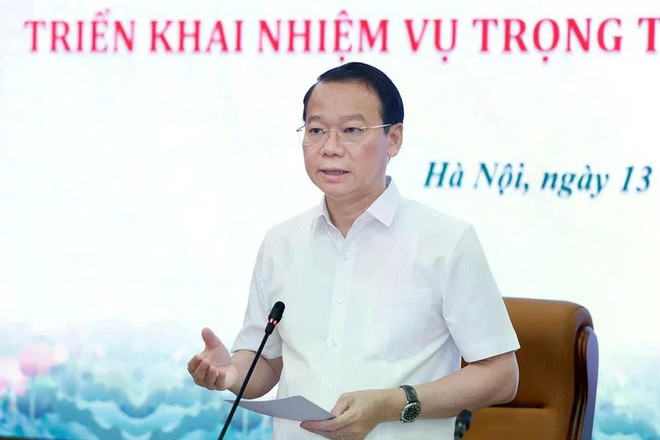
On May 13, the Ministry held a monthly review meeting for April and discussed key tasks for May and the second quarter of 2025.
Speaking at the meeting, Minister Duy highlighted positive developments across key areas, including crop production, livestock, and aquaculture.
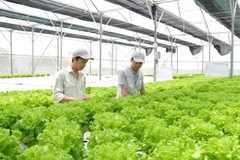
According to the report, the added value of the agriculture, forestry, and fishery sectors in Q1 of 2025 rose by 3.74%—the highest first-quarter growth rate in recent years and above the Government’s growth scenario target. Specifically, agriculture increased by 3.53%, forestry surged by 6.67%, and fisheries grew by 3.98%.
This steady growth across all three pillars provides a solid foundation for meeting growth targets for the second quarter, the first half, and the full year.
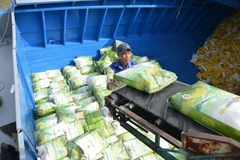
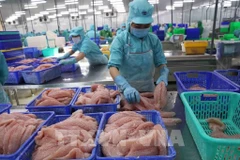
Alongside production growth, exports continued to accelerate. Export turnover for the first four months reached 21.15 billion USD, up 10.7% year-on-year. The sector also maintained a trade surplus of 5.18 billion USD—slightly down 4.1% from the same period last year, but still higher than the national trade surplus of 5.02 billion USD.
Despite this performance, Minister Duy warned against complacency, noting that global uncertainties remain due to trade tensions, conflicting interests, and market volatility.
Domestically, several urgent challenges have also emerged. One major concern is quarantine-related issues that are slowing down durian exports—a product that brought in 3.2 billion USD in 2024. So far this year, it has reached only 20% of its 2025 export target.
In addition, pest outbreaks and animal diseases have become more complex, while prolonged drought has created water shortages in many regions, affecting agricultural production. The ongoing reorganisation of local government structures is also disrupting sector activities, particularly land clearance for irrigation projects.
Key tasks and solutions ahead
Looking ahead, Minister Duy underscored the importance of successfully organizing Party Congresses at all levels, leading up to the first Party Congress of the Ministry of Agriculture and Environment for the 2025–2030 term.
At the same time, the sector must maintain its growth and export momentum, address market difficulties during the Summer-Autumn crop season, and respond to the impact of U.S. trade policies. The Ministry will also focus on improving the legal framework—ensuring timely progress on laws, decrees, and circulars—especially in building a two-tier local government model.
Minister Duy also stressed the importance of advancing digital transformation and administrative reform. Priority will be given to accelerating the development and completion of the national land information system and land database—standardized nationwide and integrated with the national population database—by June 30, 2025. Efforts will also continue to digitize agriculture and environment data, creating a digital resource platform to support the sector’s digital economy.
Regarding public investment disbursement, Minister Duy called on all units to speed up the process. A thematic conference will be held at the end of May, where disbursement performance will be used as a key indicator to assess the effectiveness of each unit./.