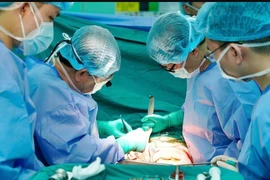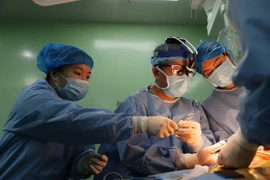
Hanoi (VNA) – Nearly 19 years after the Law on Donation, Removal and Transplantation of Human Tissues, Organs and Cadavers was introduced, Vietnam has performed nearly 10,000 organ transplants — over 90% of which came from living donors.
However, after such a long time, the law has revealed many limitations, prompting the Ministry of Health (MoH) to gather opinions to amend the law to give more chances to thousands of patients every year.
The first person in Vietnam donated organs after brain death in 2010. After 15 years, only 225 people across the country have donated their organs after brain death.
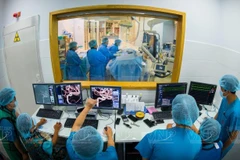
Deputy Minister of Health Tran Van Thuan noted that the law laid the groundwork for a more humane and advanced medical field, enabling Vietnam to perform thousands of successful transplants. It also enabled Vietnam to develop a network of 27 qualified hospitals with the ability to handle complex procedures, including combined heart-liver and lung transplants.
However, Thuan emphasised that after nearly two decades, medical technology, healthcare management, and patient needs have evolved significantly. The law, he said, now shows shortcomings and should be amended in line with the Politburo’s Resolution 66-NQ/TW dated April 30, 2025 on innovation in law making and enforcement to meet the requirement of national development in the new era.
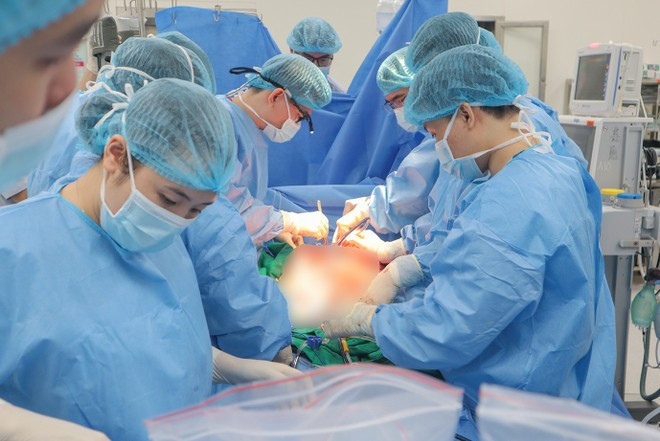
Among the current issues are the lack of a synchronous financial mechanism for the entire chain of donation, transportation, preservation and transplantation; people under 18 are not allowed to donate organs, even in cases of voluntary will and family consent; and the brain death diagnosis process – a prerequisite for determining the ability to donate – is still complicated, lengthy and lacks easy-to-apply standards. As a result, organ donations from brain-dead people remain rare, while over 90% of transplanted organs come from living donors, raising legal and ethical concerns.
Thuan said that the law's amendment should be seen as an institutional breakthrough, ensuring feasibility and consistency as well as creating a sustainable, humane and effective legal foundation for the organ transplantation field.
Broadening access, support to donors
According to Associate Professor Dong Van He, Director of the National Organ Transplant Coordination Centre and also Deputy Director of the Viet-Duc University Hospital, it is necessary to add regulations allowing children and people with cardiac death to donate organs.
The amended law should also clearly stipulate a financial mechanism for both transplant recipients and donors, he said, adding that at present, there is no financial mechanism for transplant recipients. For donors, it exists but remains very limited.
“With 31 transplant centres nationwide, Vietnam could perform 10 times more organ transplants than it does now,” He said. “But the biggest challenge is the lack of donors. Without stronger financial mechanisms, the entire transplant process struggles.”
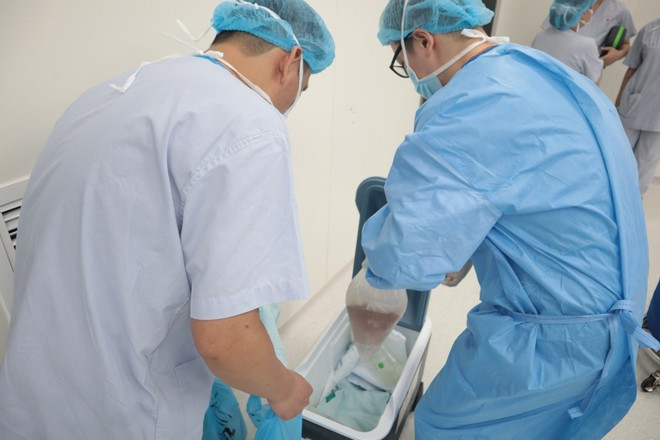
One key proposal in the draft law allows medical facilities to proceed with organ retrieval if a person has registered as a donor prior to confirmed brain or cardiac death — without requiring additional family consent. This change respects the donor’s autonomy, streamlines the process, and aligns with global practices. If no registration exists, written consent from a legal guardian remains necessary.
The draft also proposes allowing minors under 18 to donate organs in cases of brain or cardiac death, provided there is legal representative approval. Experts believe this could significantly expand the donor pool, especially for pediatric patients. Many countries, including France and several EU nations, already permit this with parental consent.
Deputy Director of the National Transplant Coordination Centre Nguyen Hoang Phuc has suggested several support policies for recently deceased donors, including waiving all emergency and treatment costs prior to donation; covering transportation costs of the deceased for burial; issuing free health insurance cards for three to five years to the donor’s children or parents; and prioritising donor relatives on transplant waiting lists should they develop organ failure. /.