Hanoi (VNA) – Vietnam has affirmed full support for WHO’s position that all tobacco products, including e-cigarettes, heated tobacco and new-generation tobacco products, are harmful and addictive.
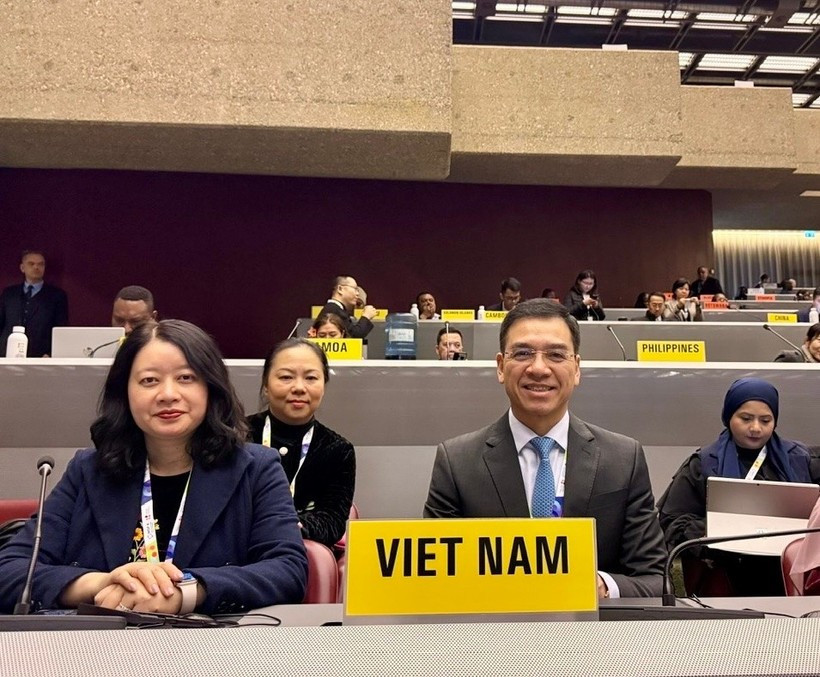
Addressing the 11th Conference of the Parties to the the World Health Organisation (WHO) Framework Convention on Tobacco Control (COP11) on November 21, Dr Ha Anh Duc, Director of the Department of Medical Services Administration under the Ministry of Health and Director of the Tobacco Harm Prevention and Control Fund said that new tobacco products are spreading rapidly among young people. “Our duty is to protect future generations through strong, decisive and evidence-based policies,” he underscored.
Dr. Duc headed the Vietnamese delegation to COP11, which comprised representatives of the Ministry of Health, the Government Office, the National Assembly’s Committee for Culture and Social Affairs, the Ministry of Finance and others.
During the conference, held from November 17–23 in Switzerland, the World Health Organisation (WHO) issued strong warnings about tobacco companies exploiting the concept of “harm reduction” to promote e-cigarettes, heated tobacco and new tobacco and nicotine products in ways that mislead the public.
Delegates noted that such tactics contradict genuine harm reduction efforts in other areas of public health, where agencies and experts pursue health objectives through evidence-based, closely supervised and strictly regulated interventions.
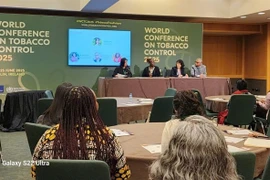
Facing rising risks posed by emerging nicotine products, more than 1,400 delegates from 162 countries attended the opening session of the COP11 on November 17 in Geneva.
Under the theme “20 Years of Change: Uniting Generations for a Tobacco-Free Future,” COP11 reaffirmed that safeguarding young people must remain a global priority amid the rapid spread of e-cigarettes, heated tobacco and new nicotine products.
The rising prevalence of e-cigarette use among young people remains alarming. WHO’s latest trend data show that more than 15 million children aged 13–15 are using e-cigarettes worldwide, and that children in this age group are nine times more likely to vape than adults.
The WHO recommended that governments could best protect public health by fully implementing comprehensive tobacco control measures aimed at reducing both the demand for and supply of all tobacco, nicotine and related products. Countries are also encouraged to expand community education and provide evidence-based cessation support, such as nicotine replacement therapy and free quit lines - interventions recognised as safe and effective by relevant authorities.
Governments and public health agencies can access additional information from WHO on tobacco, nicotine and related products through FCTC Articles 9, 10, 11, 12 and 13. WHO emphasised the importance of ongoing assessment of product risks, market dynamics, usage patterns (including dual or multiple use) and the ways these products may drive uptake among children and other vulnerable groups. However, such assessments must not delay urgent action to implement and reinforce protective measures for current and future generations.
According to the WHO, with regard to tobacco, nicotine and related products, harm-reduction agendas must never be used to justify weak regulatory frameworks or to roll back strict prohibitions on such products./.