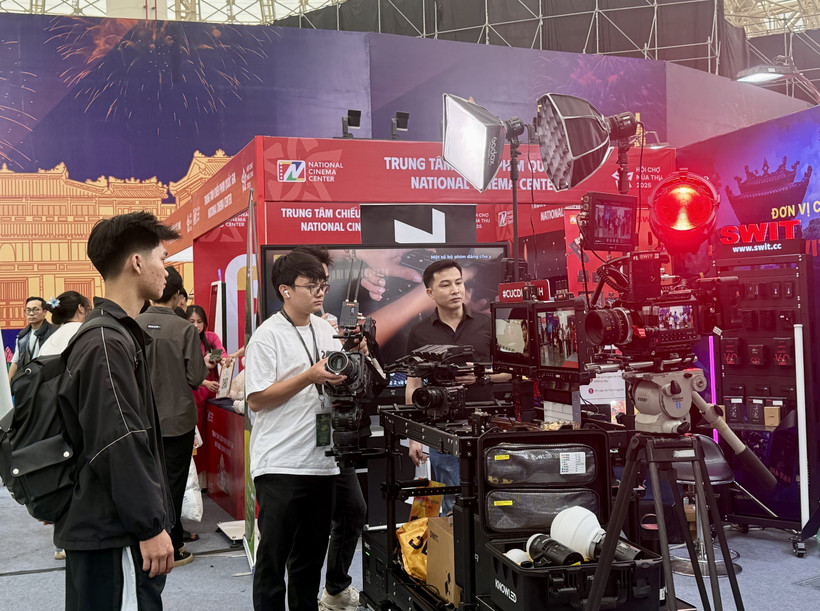
Hanoi (VNA) – Concluding ten vibrant days in Hanoi, the first Autumn Fair 2025 has surpassed expectations, not only in scale and transaction volume, but also in its broader policy impact on Vietnam’s trade development strategy in a new era.
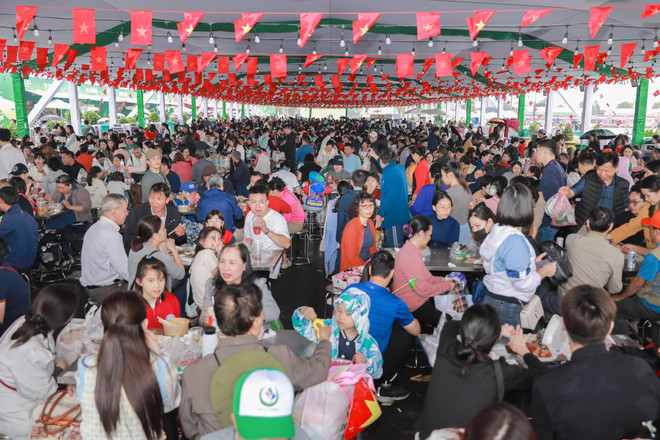
Drawing over 2,500 companies, nearly 3,000 booths and daily crowds in the hundreds of thousands, the event ranked among Vietnam’s biggest trade gatherings in years.
Organisers pegged on-site sales at nearly 1 trillion VND (38.4 million USD), with deals and memoranda of understanding hitting 5 trillion VND. But the real payoff lay in reframing trade fairs as engines for sustained development, weaving commerce, industry, investment and digital transformation into a unified strategy.
Prime Minister Pham Minh Chinh once described the event as a vivid and convincing testament to Vietnam’s integration mindset, exceptional capability, and national ambition. He stressed that the fair embodies unity, innovation, determination, and drastic action across the Vietnamese Government, ministries, local authorities, business community, and the public.
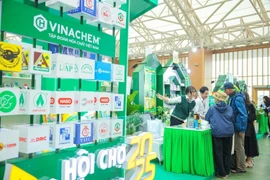
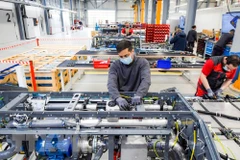
The fair represented a new model of modern trade promotion. Rather than serving merely as a product showcase, it was designed as an integrated ecosystem, combining trade, investment, supporting industries, logistics, digital transformation, green growth, and cultural–tourism promotion into a cohesive value chain.
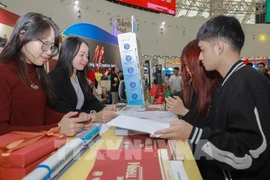
Over 30 forums, seminars, and dialogues tackled green economy, digital economy, cross-border e-commerce, national branding, and regional connectivity. Thousands of experts, firms, and investors from Vietnam and abroad engaged directly with policymakers, contributing valuable insights to refine the country’s trade environment.
Minister of Industry and Trade Nguyen Hong Dien said the fair was a key highlight in Vietnam’s national economic and trade agenda, connecting supply chains, boosting consumption, production and exports, while backing the Government’s 8%-plus GDP growth goal for 2025 and double-digit growth in subsequent years.
According to Director of the Vietnam Trade Promotion Agency Vu Ba Phu, the fair marked an important test case for a new-generation trade promotion model centred on data, technology, and knowledge.
He highlighted Vietnam’s shift from manual promotion to smart promotion where every product and enterprise can reach global partners via digital platforms, databases, and online connections - a key step toward a policy shift from fragmented promotion to integrated, long-term, and knowledge-based trade development.
The fair’s impact extended beyond financial results. Over 100 international pacts opened export pipelines to the EU, Japan, the Republic of Korea, the Middle East and Africa. SMEs scored big on distribution, investment and tech transfers, bridging local output to world markets.
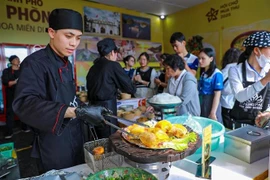
At home, it delivered a consumption boost and “Made in Vietnam” branding push, with over 30 cities and provinces spotlighting specialties from industrial wares to OCOP (One Commune One Product) rural products, fostering inter-regional ties.
From an institutional perspective, the fair offered invaluable lessons for national trade policy design. Trade promotion, experts noted, should be regarded as “soft infrastructure” as essential as logistics or finance, for enduring growth. A data-driven, strategic trade promotion framework would help SMEs gain fairer access to markets, spreading growth more inclusively.
The Ministry of Industry and Trade plans to institutionalise the digital trade promotion model tested at the fair by developing a national trade promotion platform that connects data from enterprises, industry associations, overseas trade offices, and global e-commerce platforms. This digital ecosystem will be key to integrating Vietnam into the digital export economy and sharpening national competitiveness.
More importantly, trade promotion in the new era must sync with green growth and national branding strategies. As products become identified with cultural stories, social responsibility, and green standards, the “Vietnam” brand will gain recognition not just for quality but for sustainability and human value, increasingly prized in global markets.
Experts noted that the fair marked a clear shift in this direction, with many exhibitors showcasing eco-friendly products, biodegradable packaging, energy-saving technologies, and green supply chains. Building on this foundation, Vietnam could establish a green trade promotion fund to encourage firms to adopt circular economy models, reduce emissions, and increase brand value.
The success of Autumn Fair 2025 also demonstrated the importance of inter-ministerial and inter-regional coordination in trade promotion. Collaboration among ministries, local authorities, business associations, and international organisations created a unified operational mechanism that improved efficiency across the value chain. This provides a foundation for a national trade promotion ecosystem for 2025–2035, aimed at building a modern, smart, and sustainable trade system.
From a policy perspective, the fair served as a real-world test for Vietnam’s domestic market development, export promotion, and national branding strategies. Lessons drawn from this event will contribute to the export-import development strategy to 2030 and the Government’s broader action plans on cultural industries, digital economy, and green trade.
Ultimately, trade is no longer just about exchange, it is a reflection of a nation’s prowess in orchestration, innovation, and adaptation amid the evolving global economic order./.