Hanoi (VNA) – Vietnam will establish its international financial centre in Da Nang and Ho Chi Minh City to lure global capital for sustainable economic development, making it is necessary to align with the world’s highest standards while reflecting the country’s distinctive characteristics, according to insiders.
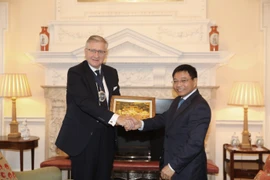
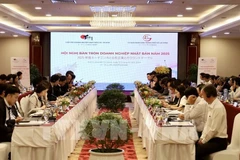
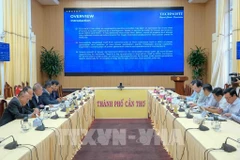
At a conference recently held by the French Embassy in Vietnam to share the European country’s experience in building the financial centre, Olivier Vigna, Deputy CEO of Paris Europlace highlighted Vietnam’s growing prominence in Asia’s economic landscape and outlined two critical lessons from Paris’s journey.
He stressed that collective action is essential, including building an ecosystem where all stakeholders interested in the facility could cooperate, while noting the significance of specialisation.
For Vietnam, Vigna suggested the priority sectors of technological innovation and energy transition, with sustainable finance. These are areas where Paris has enjoyed robust growth. He recommended Vietnam study its regional peers’ institutional models while adapting international practices to fit the local context. He underscored the importance of attracting long-term capital, and cultivating a competitive labour market. Developing talent should be an investment from both countries, with cooperation between universities, where Vietnam and France have witnessed successful partnerships in the past.
To achieve these ambitions, he underscored the need to arrange dialogues with stakeholders and keep a close watch on the situation to adapt to the rapidly changing environment.
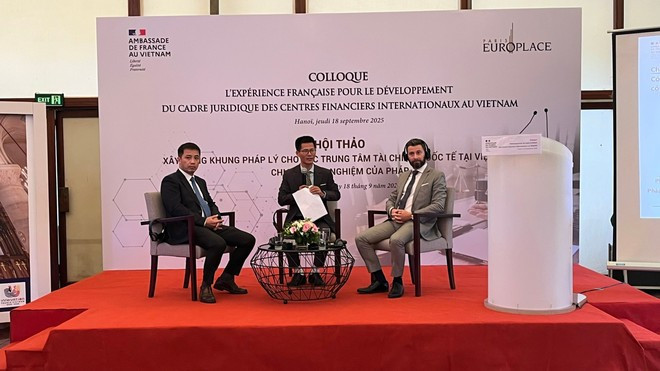
On specialisation, particularly in energy transition, Vigna said it is necessary to promote close cooperation between investors, businesses, and authorities. He praised Vietnam's choice to specialise in advanced technological innovation, calling it an excellent and decisive decision, as the global financial industry is undergoing massive modernisation in infrastructure, tools, and assets.
With the legal environment, he highlighted the goal to ensure financial stability, protect investors, promote competitive edge, and boost economic growth. Accordingly, legal documents must be understandable, stable, and predictable. International standards should be balanced and non-overlapping, while maintaining consultation, expert hearings, and stakeholder dialogue. He also noted the importance of a legal ecosystem connecting all industries with the participation of regulatory agencies.
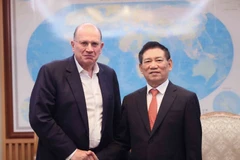
Meanwhile, French Ambassador Oliver Brochet identified the main conditions for the success of the Vietnamese financial centre – an appropriate legal and regulatory framework, a governance mechanism capable of highlighting the financial centre’s strengths while signalling international investors, and high-quality human resources to develop necessary financial instruments.
Flexible approach, long-term vision
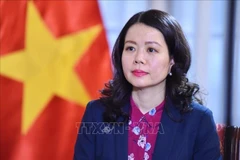
According to Dao Thanh Huong, Deputy Director General of the Foreign Investment Agency under the Ministry of Finance, building an international financial centre represents both an institutional transformation and a new frontier for the country.
Expecting full policy stability from the outset is challenging, she said, stating unlike long-established financial hubs in France, the UK, and the US, Vietnam is pursuing a top-down approach, recognising the significance of the centre, enabling its development rather than waiting for the market to evolve naturally.
Huong explained that the National Assembly’s Resolution No. 222/2025/QH15 features multiple guiding decrees towards flexible strategies to develop the centre. If certain provisions prove inadequate, they can be swiftly amended through fast-track procedures, ensuring the centre’s operation amidst a rapidly evolving landscape.
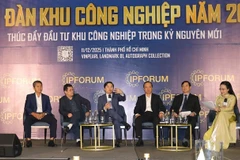
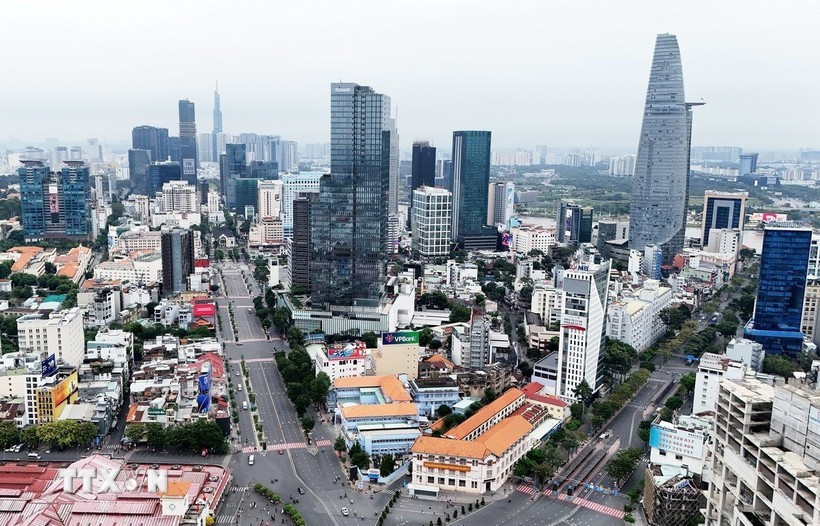
Developing an international financial centre presents both formidable challenges and opportunities for remarkable development. (Photo: VNA)
Vigna noted that Vietnam should pen clear timelines for preferential policies, such as a minimum three-year “sandbox” regime, and to outline post-2030 tax strategies to maintain investor confidence.
He also praised Vietnam’s decision to establish a centralised “one-stop” portal for administrative, tax, and regulatory procedures, calling it a key step toward efficiency and investor assurance.
Touching on foreign investors’ concern about dispute resolution, Huong revealed that Vietnam is drafting two major legal documents on courts for international financial centre and dispute settlement mechanisms. She expressed her hope that legal experts, especially those from international law firms, will contribute to refining the frameworks, ensuring they are credible and globally aligned./.