Hanoi (VNA) - After being upgraded from a frontier to a secondary emerging market by FTSE Russell, Vietnam’s stock market must urgently enhance corporate governance to strengthen its position, build investor confidence, and attract high-quality investment flows, said insiders.
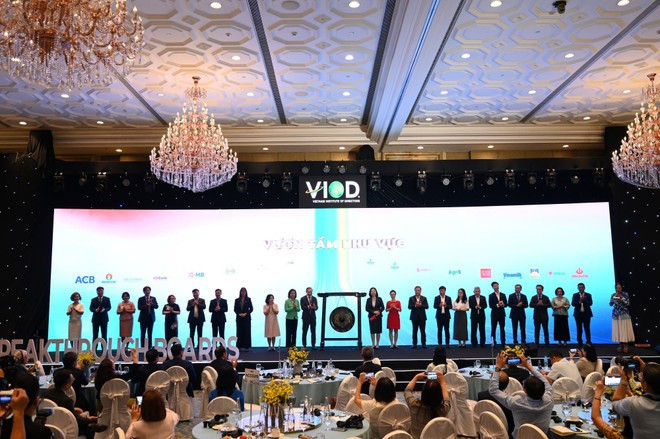
Addressing the 8th Annual Forum on Corporate Governance (AF8) organised by the Vietnam Institute of Directors (VIOD), the State Securities Commission (SSC) and international partners, experts stated that the quality of corporate governance in Vietnamese companies still lags significantly behind regional peers.
Assessment results using the ASEAN Corporate Governance Scorecard (ACGS) show that the average score of Vietnamese companies remains below the regional average. More concerning, no company has yet been recognised as an “ASEAN Asset Class,” a distinction awarded to listed companies demonstrating outstanding governance practices.
Phan Le Thanh Long, CEO of VIOD, said a specific strategy has been outlined through an initiative, which focuses on 20 pioneering companies with strong commitment from their Boards of Directors, and their scores in 2024 at least 1.5 times above the national average.
Vietnam aims to have 3–5 companies achieving “ASEAN Asset Class” status in 2026, and will rise to 10–15 by 2030, alongside 3–5 companies entering the TOP 50 best-governed firms in the Southeast Asian region, Long said. He emphasised that earning this recognition not only serves as an international mark of prestige but also opens access to significant funding from global financial institutions.
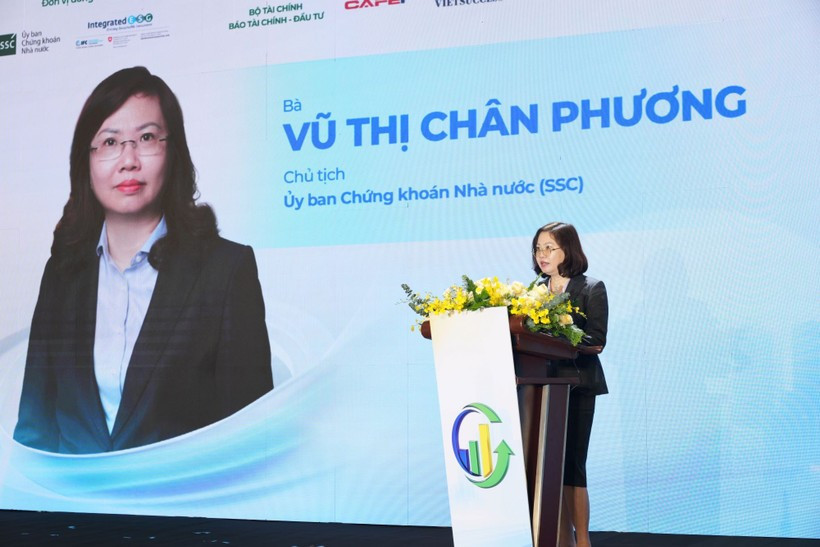
International experience shows markets with strong governance standards are always preferred destinations for long-term capital, said SSC Chairwoman Vu Thi Chan Phuong.
She noted that despite significant progress, the gap in the ASEAN corporate governance marks underscores the urgent requirement for Vietnamese companies to continue raising standards to meet the expectations of international investors.
According to Phuong, management agencies will focus on key directions in the coming time, including refining the legal framework for corporate governance based on OECD standards, enhancing disclosure requirements, particularly in risk management and environmental-social-governance (ESG) practices, and strengthening training for boards and executive teams of public companies.
The goal is to help companies shift from a “compliance” model to effective, transparent, and sustainable governance, thereby boosting competitiveness and attracting high-quality investment, Phuong said.
Irreversible trend
From an international perspective, the focus on effective and sustainable corporate governance has become an irreversible trend.
Alejandra Medina, Asia Corporate Governance Programme Manager at OECD, cited data from 52 countries, showing that sustainability has become a central element of corporate governance.
Up to 79% of countries have enacted mandatory regulations on sustainability reporting. At the same time, the role of boards in overseeing risk and ensuring independence is being tightened, Medina noted.
Nguyen Hong Giang from the Swiss State Secretariat for Economic Affairs (SECO), said in an increasingly connected and competitive market, effective corporate governance is vital. She stressed that investors now recognise financial performance is not only driven by good products but also closely linked to strong governance practices focused on accountability, transparency, and sustainability.
Regarding this issue, Giang affirmed Switzerland’s commitment to supporting Vietnam, particularly its small- and medium-sized enterprises, in enhancing corporate governance capacity, viewing it as a foundation to unlock potential and create a globally respected business environment./.