Hanoi (VNA) – Although Vietnam’s exports have continued to record strong double-digit growth, experts held that the country must maximise potential and overcome global challenges by diversifying markets and optimising free trade agreements (FTAs) to maintain this momentum.
Export performance in first eight months
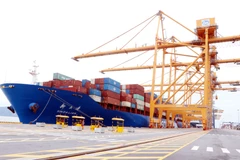
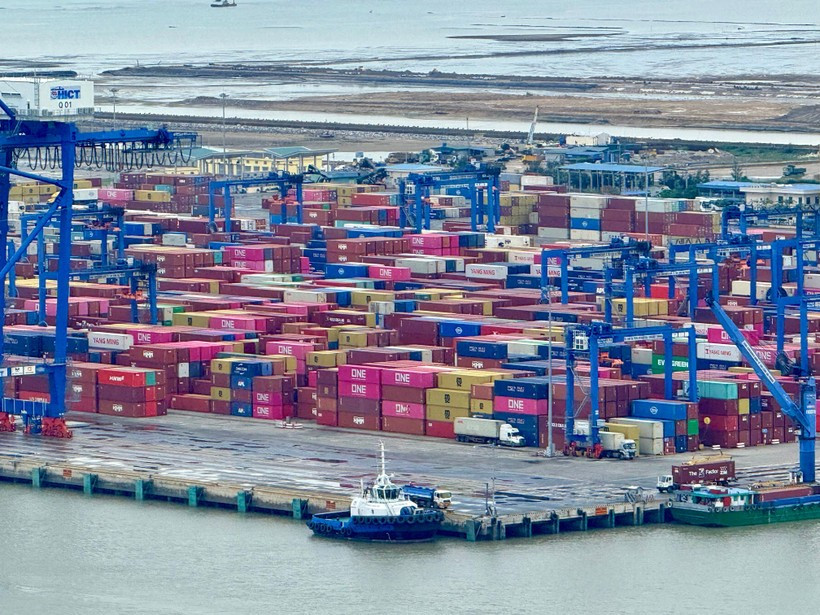
In the first eight months of 2025, Vietnam’s export turnover reached nearly 306 billion USD, up 14.8% year-on-year, contributing to a significant trade surplus and supporting foreign exchange reserves, exchange rate stability, and macroeconomic balance.
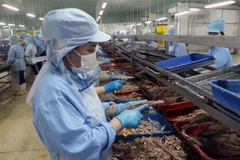
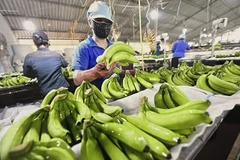
In August alone, exports surged to approximately 43.4 billion USD, a 14.5% increase compared to the same period last year. Key export groups performed well - agricultural, forestry, and fisheries products reached 29.1 billion USD, up 15.1%, accounting for 9.5% of total exports, while processing and manufacturing drove growth with exports of about 260.7 billion USD, a rise of 15.4%, representing 85.2% of the total.
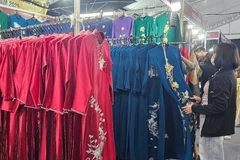
Cao Huu Hieu, CEO of Vietnam National Textile and Garment Group (Vinatex), highlighted a resilient 7% export growth for the textile sector despite global market fluctuations, with textile exports nearing 31 billion USD. Many fibre producers have secured orders for September and October, while domestic markets and exports to foreign direct investment (FDI) enterprises remain strong. The garment sector also maintained steady growth.
Meanwhile, Dao Cong Thang from Vietnam Steel Corporation (VNSteel) reported steel product consumption exceeding 2.7 million tonnes, up 17% year-on-year.
Vietnam’s export markets also show diversified growth, with Asia up 10.2%, accounting for 44.2% of exports, Europe up 7.9%, Americas rising 25.4%, and Africa increasing 40.1%.
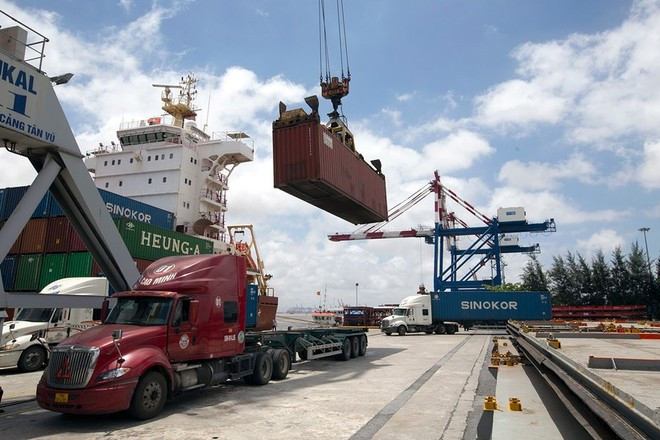
On the import side, turnover rose to nearly 292 billion USD, a rise of 17.9%, yet the country maintained a trade surplus of 3.7 billion USD in August and nearly 14 billion USD over eight months.
Priority on FTAs, strategic support
To sustain double-digit export growth in 2025, the Ministry of Industry and Trade implemented 32 trade promotion projects, including participation in major international fairs in Germany, the US, Japan, and the Republic of Korea. These initiatives supported around 1,700 enterprises and cooperatives, facilitating over 600 exhibition booths and directly signing more than 70 contracts worth over 9 million USD.
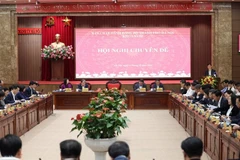
Minister Nguyen Hong Dien emphasised the need to strengthen trade promotion cooperation and connect domestic businesses with international partners to enhance capacity, diversify supply sources, and expand markets.
Maximising FTAs remains a top priority. The ministry focuses on stricter import control and accelerating digital transformation in export-import operations to optimise processes, improve efficiency, and increase transparency.
Hieu noted trends of smaller, short-term orders, distant clients, and price negotiations amid new tariff policies. Vinatex aims to maintain its workforce, manage production well, monitor market changes, ensure product origin certification, enhance industry chain linkage (fibres, textiles, dyeing, garment), and balance capital flow.
To boost resilience against market fluctuations, businesses are encouraged to join digital trade ecosystems, invest in green technologies, and improve product traceability. Industry associations play a key role in market information dissemination, guidance, and national brand building.
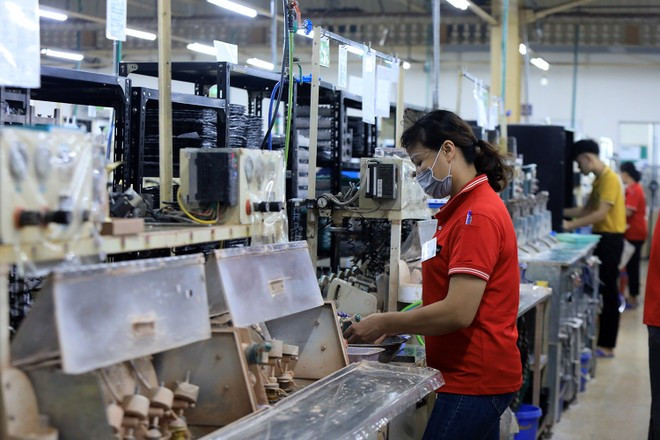
Long-term success depends on developing domestic supporting industries and logistics infrastructure. Digitalisation in export-import management will further reduce costs and enhance transparency.
Despite ongoing challenges, with sound policies and strong enterprise efforts, Vietnam is well-positioned for a successful 2025 in international trade. Combining sustainable development strategies with innovation will strengthen Vietnam’s global trade standing and reaffirm its role as a leading export economy in the region.
With positive results and strategic solutions, Vietnam is on track to become a prominent player on the international trade map. Maintaining growth momentum requires coordinated government-business collaboration towards a sustainable and efficient export economy./.