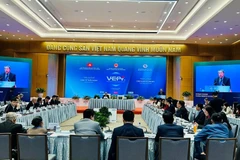
Hanoi (VNS/VNA) - In response to mounting trade‑defence pressure on Vietnamese exports ranging across a broadening spectrum of goods and emerging markets, the Ministry of Industry and Trade (MoIT) is ramping up early warning alerts to notify exporters ahead of potential foreign anti-dumping investigations.
An early warning system has been established and is currently in operation, according to Chu Thang Trung, Deputy Director of MoIT's Trade Remedies Authority of Vietnam (TRAV). The system is designed to monitor, collect and analyse data related to Vietnamese export products that may be vulnerable to trade remedy actions.
The system draws from a wide range of sources, including export data and reports from over 60 Vietnamese trade offices stationed in key global markets. By integrating and analysing this information, the system helps identify early signs of potential trade disputes such as anti-dumping, anti-subsidy or safeguard investigations, enabling timely and strategic responses from Vietnamese enterprises.
The system is closely monitoring hundreds of export items destined for key markets, including the US, the EU, Canada, India, Australia and several Southeast Asian countries. As part of this analysis, nearly 300 high-risk export items have been identified and placed on a warning list.
Exporters now face complex investigations involving a wide array of products, from traditional items like steel, cement and fibre to previously untouched categories like corrugated paper and capsule shells. These investigations are originating not only from long‑standing markets like the US and the EU, but also from developing economies including South Africa, Egypt and Brazil.
TRAV reported nine new cases of trade defence investigations over the past five months. These investigations, initiated by eight different markets, include seven anti-dumping and two safeguard cases.
Additionally, the agency is managing 33 ongoing cases from 2024 and several trade defence tax reviews. Some export items have been submitted for investigation, but have not yet been officially initiated.
A growing trend in the number and complexity of trade investigations worldwide has also come to light. Countries including Canada have increasingly incorporated market economy considerations into their reviews, while Mexico and Brazil have adopted the practice of using surrogate values from third countries to determine anti-dumping margins. This approach often results in tax rates imposed on Vietnamese products that exceed actual levels and fail to accurately represent the production and business realities of Vietnamese enterprises.
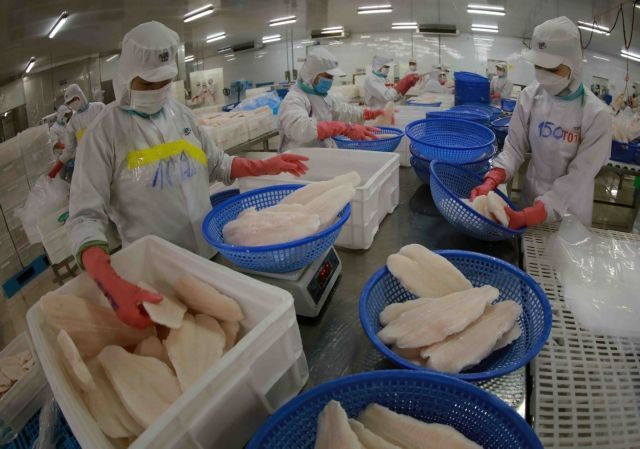
Nguyen Hoai Nam, deputy general secretary of the Vietnam Association of Seafood Exporters and Producers (VASEP), confirmed that the association and its member enterprises consistently received active support from TRAV in responding to anti-dumping and anti-subsidy investigations. This cooperation played a key role in helping Vietnamese seafood exporters enhance their competitiveness and maintain market share in international markets.
To sustain export performance, Nam recommended that TRAV strengthen early warning systems for potential trade investigations. Proactive alerts, he said, would allow enterprises to better prepare and respond effectively, increasing the chances of favourable outcomes in trade remedy cases.
Deputy Minister of Industry and Trade Nguyen Sinh Nhat Tan had previously cautioned that Vietnam's trade activities would face mounting pressures in 2025, marked by not only unpredictable fluctuations but also abnormal market developments.
The deputy minister stressed that early warning mechanisms must be improved through better information stratification to meet the practical needs of enterprises and industry associations. He also warned against issuing forecasts that lack consistency with the criteria used by businesses, which could result in fragmented and ineffective implementation across the sector.
In the next few months, Trung said TRAV would continue to organise training programmes and specialised seminars tailored to specific industries and localities to ensure practical and effective guidance. Training courses on rules of origin, prevention of trade fraud and illegal transhipment, critical areas for ensuring compliance with international trade regulations and maintaining the credibility of Vietnamese exports, would also be organised.
In addition, the agency would maintain and develop its early warning system by collecting and analysing export data and trade defence-related information from international markets. The list of export items at risk of investigation would be regularly updated, allowing businesses to proactively adjust their production and export strategies.
TRAV would also strengthen cooperation with industry associations and enterprises to provide detailed information on trade defence regulations, investigation procedures and legal principles, Trung said, adding that businesses would receive support in preparing essential documentation and evidence to defend their interests during investigations.
Furthermore, it would closely monitor foreign trade defence agencies' investigative activities to ensure they comply with international commitments and legal standards.
"TRAV is committed to actively engaging in dialogue and intervening when it identifies any unreasonable or unfair actions that may negatively impact Vietnamese exporters," Trung noted.
The deputy director said TRAV would continue to coordinate with relevant ministries and agencies to develop policies and implement support measures aimed at protecting the interests of the domestic manufacturing sector, while creating favourable conditions for businesses to expand into new export markets, especially in the face of mounting global trade defence challenges./.
Vietnam to develop trade defence early warning system
Part of a new Government decree, the early warning system aims to provide timely information to businesses and industry associations, enabling them to take preventive measures and prepare appropriate responses.