Efforts made to improve effectiveness of ODA, concessional loans

Vietnam has set ambitious growth targets and has significant demand for investment in infrastructure, green transition, and other areas. Thus unlocking official development assistance (ODA) and concessional loans has become increasingly urgent.

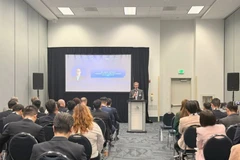
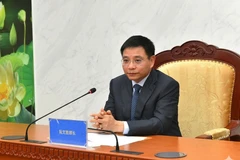
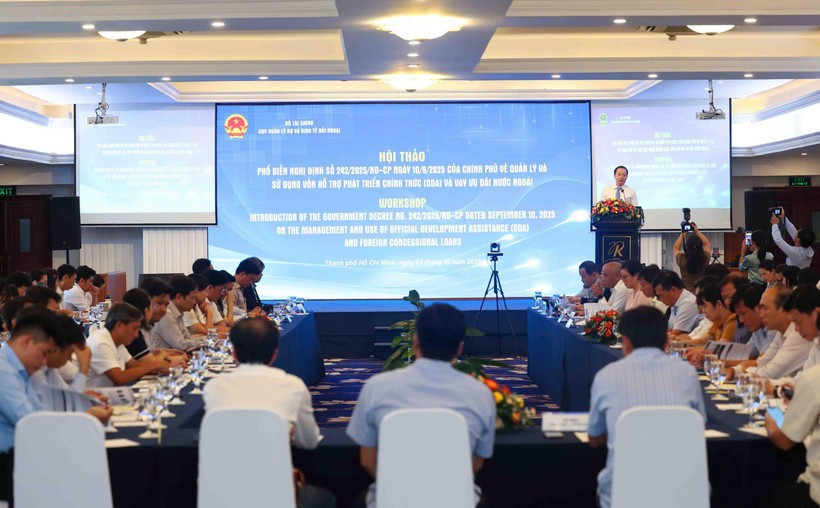
At the workshop to introduce Decree No.242/2025/ND-CP on the management and use of ODA and foreign concessional loans (Photo: VietnamPlus)

Hanoi (VNA) - Vietnam has set ambitious growth targets and has significant demand for investment in infrastructure, green transition, and other areas. Thus unlocking official development assistance (ODA) and concessional loans has become increasingly urgent, heard a recent workshop.

The workshop was held by the Ministry of Finance on October 3 to introduce Decree No.242/2025/ND-CP on the management and use of ODA and foreign concessional loans. Issued on September 10, the decree introduces major reforms aimed at creating a more open, transparent, and efficient framework to unlock international resources for the country’s development.

Barriers that need to be addressed

Decree No. 242, effective from September 10, is considered an important step forward, replacing Decree No. 114/2021/ND-CP. This new decree aligns with the State Budget Law, the Public Investment Law 2024, and other related laws.

Over the past three decades, ODA and foreign concessional loans have played an undeniable role in Vietnam's socio-economic development. Numerous major national projects bear the clear mark of this funding. These include the Ben Luc-Long Thanh and Long Thanh-Dau Giay expressways, iconic bridges like Can Tho and My Thuan, as well as large urban environmental improvement projects such as those in Ho Chi Minh City and the Ben Thanh-Suoi Tien metro line. These projects have not only helped upgrade the country’s infrastructure but also created positive, widespread impacts, particularly in the central, Central Highlands, and Mekong Delta regions.

However, the process of mobilising, managing, and utilising ODA capital currently faces certain limitations.

Nguyen Quoc Phuong, Director of the ministry’s Department of Debt Management and External Economic Relations, stated that complex administrative procedures, slow disbursement progress, lack of coordination between agencies, and overlapping mechanisms are significant challenges that need to be urgently addressed. These issues create difficulties for project owners, ministries, sectors, and localities.

The issuance of Decree No. 242 is expected to help address these bottlenecks, facilitating the smooth flow of ODA and concessional loans in the near future.

Clearer and simpler regulations

Introducing the key changes of the new decree, Nguyen Trong Nghia, a representative of the department, mentioned that it focuses on four major breakthrough solutions. They include the simplification of administrative procedures, the acceleration of decentralisation and delegation of authority, and the allowance of the disbursement of funds through electronic platforms.

Nguyen Ba Hung, Chief Economist at the Asian Development Bank (ADB) in Vietnam, stated that the ADB is currently working with Ho Chi Minh City on a project to control urban flood drainage, which is in the preparation stage for investment decisions.

With the more flexible regulations in Decree 242, the ADB is optimistic that the project preparation process between ADB and the implementing agencies will be faster, Hung emphasised.

He also affirmed that ADB and the donor community maintain a close relationship with the Ministry of Finance and have provided advice during the process of modifying procedures. Additionally, he suggested the Government continue reviewing regulations of international agreements and treaties related to loan agreements, viewing this as a space for further effective reforms - better decentralisation, simpler procedures.

Acknowledging the proposals made at the workshop, the Director of the Department of Debt Management and External Economic Relations affirmed that the Ministry of Finance is committed to working closely with ministries, sectors, and localities during the implementation of Decree No. 242. It will provide guidance and promptly address any obstacles that arise in practice, while continuing institutional reforms to enhance public debt management capacity.

The ministry will also ensure a transparent and favourable legal environment that aligns with international standards, all for a sustainable and prosperous Vietnam, he added./.

VNA

See more

A passenger poses for a photo besides a Vietjet aircraft (Photo: VNA)

Vietjet leads Southeast Asia in emissions efficiency

Under comparable operating conditions, Vietjet’s leading position highlights its ability to optimise performance across its entire operational chain, including aircraft configuration, route network design and load management.

Containers loaded at Cai Mep International Terminal (Photo: VNA)

Vietnam ranks 18th among world’s top exporters in 2025

Vietnam’s exports reached about 470 billion USD for the first time last year, up more than 16% year on year, with a trade surplus of over 20 billion USD, contributing significantly to maintaining macroeconomic stability.

Experts speak at the workshop (Photo: VNA)

Vietnam’s pet care market emerges as lucrative investment opportunity

​ Across the Asia-Pacific, 60% of respondents own pets, while Vietnam’s pet ownership rate stands at 79%, among the highest in the region. Notably, 55% of Vietnamese pet owners have two or more pets, signalling that pet ownership has evolved from a hobby into a modern lifestyle choice.

A view of the workshop on the application of AI and real-world data in food product research and development held in Ho Chi Minh City on April 22. (Photo: VNA)

AI emerges as key driver for Vietnam’s F&B sector breakthrough

Businesses start with projects that deliver quick results within six to 12 months, like quality control systems, demand forecasting, or customer service chatbots. In the long run, F&B companies are advised to move toward with AI-driven operating models to keep up with fast-changing market demands.

Trucks carrying imports enter Vietnam through Lao Cai International Border Gate. (Photo: VNA)

Smart border gates power growth in northern border provinces

With a borderline of about 182 km, Lao Cai aims to turn its border gate economic zone into a key growth engine by adopting a smart border gate model, viewing this as a breakthrough measure for improving management efficiency, reducing logistics expenses, and enhancing customs clearance capacity.

Ken Chau (right), Chairman of the Vietnam Canada Business Association, presents flowers to the organising committee of the Vietnamese Entrepreneurs Awards in Canada 2026 at the event. (Photo: Award organising board)

Vietnamese awards in Canada spotlight community strength

The gala brought together nearly 200 participants, including community leaders, entrepreneurs and guests from across the country, highlighting both the achievements of Vietnamese businesses and the community’s growing role in the socio-economic fabric of Vancouver and other Canadian cities.

Passenger numbers are expected to peak at the start of each break, particularly from the afternoon of April 24 to April 25, with a return wave on April 27 following the Hung Kings Commemoration Day. (Photo: VNA)

Transport sector ramps up capacity for holiday travel surge

Transport experts said the back-to-back holidays will create travel patterns different from previous years. While some people are expected to combine the two breaks into a longer holiday, others will travel during either period depending on personal plans. Passenger flows are therefore likely to be more evenly distributed, helping ease pressure on transport systems.

A worker at the factory of the TNG Investment and Trading Joint Stock Company in the Song Cong I Industrial Park, Thai Nguyen province. (Photo: VNA)

Imports accelerate, powering exports, public revenues

Previous years show that Vietnam typically runs a trade deficit in the first quarter before shifting to a surplus in the latter half of the year. The current deficit, therefore, is considered both normal and indicative of an economy “recharging” for growth.

Vietnamese Minister of Construction Tran Hong Minh and Korean Minister of Land, Infrastructure and Transport Kim Yun-duk hold talks on April 21 in Hanoi. (Photo: The Courtesy of the Ministry of Construction)

Vietnam, RoK step up cooperation in transport infrastructure

Minh noted that in transport, the RoK is currently Vietnam’s second-largest bilateral donor. Since 1996, the Korean Government has provided significant capital for Vietnam’s transport infrastructure, with nine projects completed to date, totalling over 1 billion USD, and six others underway worth nearly 600 million USD.