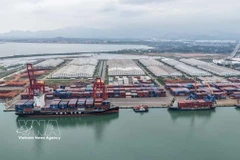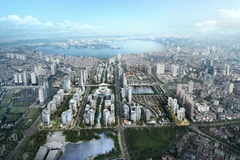
Phu Tho (VNA) – The northern province of Phu Tho is accelerating a strategic shift toward attracting high-quality foreign direct investment (FDI) in 2026, with a focus on advanced technology, sustainability and long-term value creation.
In 2025, the province drew approximately 1.51 billion USD in FDI alongside nearly 10 billion USD in domestic capital. It currently hosts 735 FDI projects worth a combined 13.2 billion USD from 27 countries and territories.
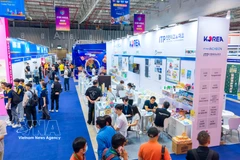
Earlier this year, a business delegation from the Chamber of Commerce and Industry of Gyeonggi province, the Republic of Korea (RoK) visited Phu Tho to assess its investment environment and industrial parks. Representing sectors ranging from manufacturing and supporting industries to high-tech, logistics and services, the delegation signed several memoranda of understanding to boost cooperation and lay the groundwork for medium- and long-term projects.
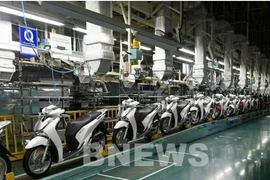
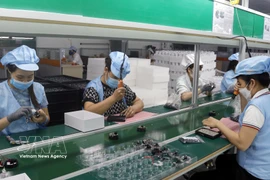
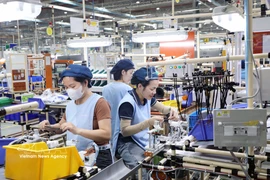
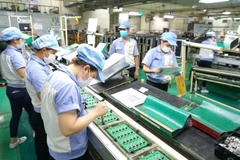
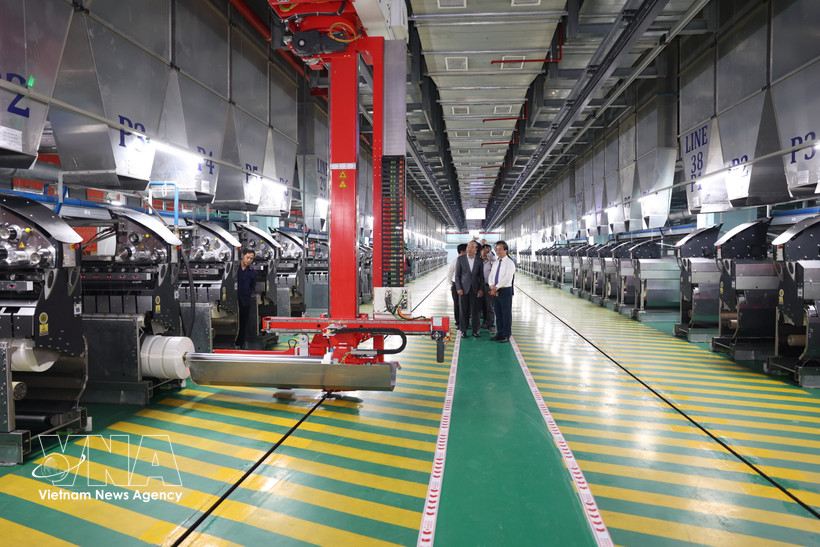
The RoK remains the province’s largest investor, with nearly 5 billion USD in registered capital, accounting for roughly 53% of total projects and 40% of total FDI. Major Korean companies including Daewoo Bus, Partron Vina, Interflex and Haesung Vina are operating efficiently, providing stable employment for nearly 200,000 workers.
Phu Tho is rolling out a set of synchronous measures to enhance its investment climate, including stronger administrative reform, improved industrial infrastructure and workforce development, alongside more targeted investment promotion toward key partners.
Priority sectors include electronics, semiconductors, supporting industries, logistics, renewable energy and green manufacturing, in line with the province’s transition to a sustainable growth model.
In 2026, Phu Tho aims to attract over 1.1 billion USD in FDI and around 70 trillion VND (2.66 billion USD) in domestic investment, positioning itself as a leading investment destination in the 2026–2030 period.
To lure more investment, efforts will focus on streamlining procedures, reducing processing times and expanding digitalisation in administrative services for investors. At the same time, the province is advancing the synchronised development of industrial parks and clusters, particularly transport links to expressways and key economic corridors, while preparing cleared land and upgrading utilities and logistics systems to support large-scale projects.
Human resource development remains a central priority, with stronger linkages between businesses, vocational institutions and universities to meet demand for skilled labour in high-tech sectors.
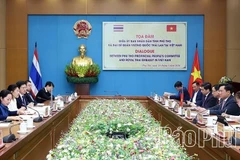
Meanwhile, investment promotion is being revamped to become more proactive and focused, targeting multinational corporations and strategic partners from the RoK, Japan, Singapore and Thailand. Enhanced post-licensing support will also be provided to facilitate project implementation.
Provincial authorities said the long-term strategy centres on high value-added industries, aiming to build a modern, sustainable industrial ecosystem in the years ahead./.