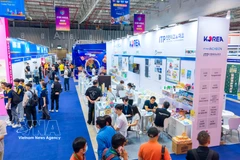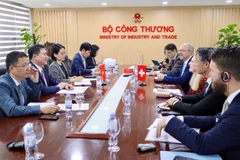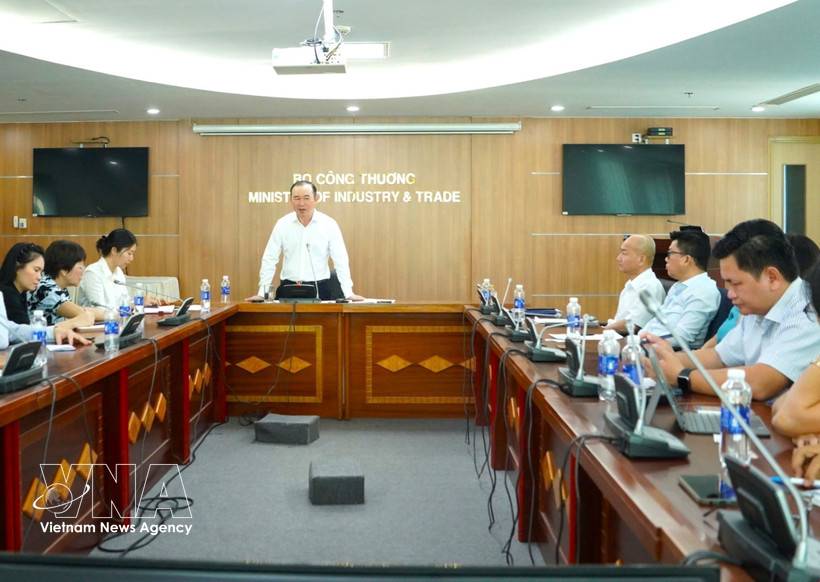
Ho Chi Minh City (VNA) – Representatives from businesses and industry associations met in Ho Chi Minh City on March 17 to discuss measures to ease pressures on production and trade, and stablise the domestic market amid the escalating conflict in the Middle East.
The event, organised by the Domestic Market Management and Development Agency under the Ministry of Industry and Trade (MoIT), came as the conflict continues to disrupt global supply chains, pushing up transport and material costs for Vietnamese enterprises.
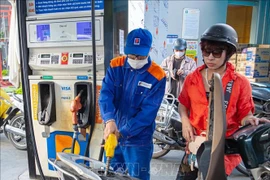
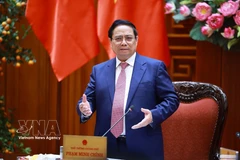
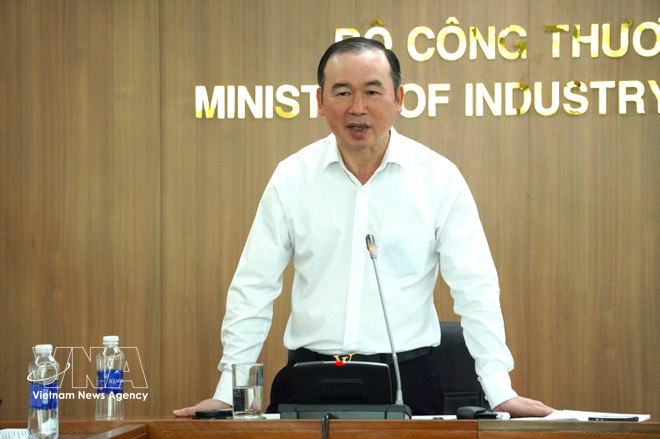
According to Phan Van Chinh, Deputy Director of the Domestic Market Management and Development Agency, Vietnam is facing a three-stage ripple effect - first on transport and fuel-dependent industries, then on sectors relying on their outputs, and ultimately on consumers. Volatility in key commodities like fuel is disrupting the entire supply chain and increasing the risk of market instability.
A representative from Petrovietnam Ca Mau Fertiliser Corporation (PVCFC) said the Middle East accounts for about 33% of global urea supply, or roughly 25 million tonnes annually. Fertiliser prices have surged sharply in recent months, rising by around 60% in some markets , equivalent to 19,000–20,000 VND per kilogramme in Vietnam. Coupled with rising fuel costs, agricultural producers are facing a dual squeeze on both input and output sides.
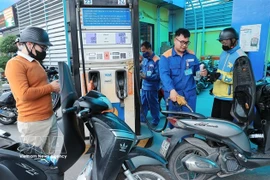
Nguyen Van Nghiem, Secretary General of the Vietnam Food Association, said agriculture is among the hardest-hit sectors, as material supplies for production are facing disruptions, with localised shortages reported in some areas, particularly diesel oil used for transport vessels and harvesting machinery.
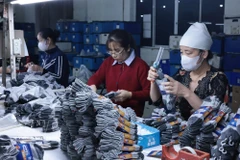
Other industries such as textiles, footwear, cement, steel and construction materials are also feeling the strain. The Vietnam Cement Association reported that higher fuel and freight costs have increased production costs by around 1%, while the steel and construction sectors are grappling with mounting input expenses.
Retailers, meanwhile, said suppliers are seeking price increases or even suspending deliveries due to rising costs and logistical constraints, intensifying pressure on the domestic market.
Phan Thi Thanh Xuan, Vice Chairwoman and Secretary General of the Vietnam Leather, Footwear and Handbag Association (Lefaso), said both supply shortages and rising import costs are posing serious challenges, with potential long-term impacts on production and exports if not addressed promptly.
In response, business groups urged the MoIT to support companies in mapping market risks and diversifying export destinations to safer markets. They also called for urgent measures to secure raw material supplies, warning that delays could lead to lossing orders and market share.
Retailers proposed continued support from the Government through interest rate subsidies, tax and fee reductions, particularly value-added tax, to ease cost pressures on consumers.
Chinh acknowledged the challenges facing businesses, stressing that enterprises must remain proactive, manage input costs prudently, and avoid excessive price hikes that could dampen demand. He underscored the importance of securing domestic material sources and maintaining a balance between export markets and the 100-million-strong domestic market.
Amid ongoing global uncertainties, the MoIT also urged enterprises to exercise caution in any price increases to help stabilise the market and navigate the current challenges./.