
Hanoi (VNA) – A wave of fee increases by major e-commerce platforms is driving tens of thousands of merchants away from online marketplaces, sparking concerns about the survival prospects of smaller sellers amid intensifying competition in the digital retail sector.
Sellers exit as costs climb
A quick report from data analytics platform Metric shows the number of active sellers across Shopee, TikTok Shop, Lazada and Tiki has dropped to just over 602,000, marking a year-on-year decline of more than 7%. Nearly 48,000 sellers exited the market over the past year alone.
Metric noted that mall shops represent slightly above 2% of sellers on Shopee and TikTok Shop but contributed more than 30% of total revenue last year. While overall seller numbers declined, mall shops on the two platforms still grew by 11.81% and 1.14%, respectively. Lazada has meanwhile expanded its offering of authentic international products through partnerships with the Republic of Korea’s Gmarket and Tmall’s official Taobao stores.
Market research firm YouNet ECI also reported a 5.6% year-on-year drop in revenue-generating sellers across the four platforms, leaving just over 600,000 active shops. The retreat has been most evident among small-scale sellers with limited capital or those trading non-authentic goods.
Analysts identify rising operational costs as the key factor behind the exodus. In 2025, platforms simultaneously rolled out fee hikes ranging from 10–15%, significantly increasing the financial burden on merchants.
E-commerce expert Tran Lam, founder of Julyhouse and Macaland, said platform fees alone have climbed by at least 10–15%. Sellers are also facing additional expenses such as infrastructure charges, return-processing fees and fixed costs linked to free-shipping programmes, vouchers and logistics services.
According to Lam, the continuous increase and imposition of fees left many businesses struggling to adjust. Despite steady growth in previous years, Julyhouse recorded a 10% revenue decline in 2025 compared with 2024 after failing to adapt quickly to the revised fee structure.
Le Hai Vu, CEO of Velasboost, said mounting competitive pressure and shrinking margins could force more small sellers to withdraw, adding that higher fees reflect platforms’ shift toward efficiency and long-term sustainability.
Businesses urged to diversify
To manage rising costs, Vu Trung Thanh, founder of PBS E-commerce Consulting and Development Co., advised businesses to optimise operations and reallocate resources more effectively.
He recommended expanding into multiple sales channels, including social commerce, proprietary websites and community-based selling models, to reduce dependence on any single platform. While e-marketplaces remain an important distribution channel, businesses should prepare alternative strategies to maintain resilience.
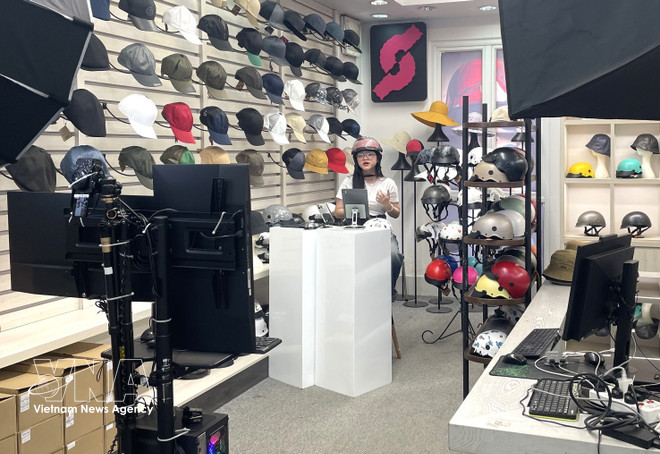
Nguyen Thi Anh Hong, e-commerce director at retail chain 24hStore, echoed the view, urging sellers, particularly small traders, not to rely solely on e-marketplace platforms. Diversifying into independent websites, Facebook and Instagram shops, Zalo channels, livestream sales or smaller platforms can help mitigate risks. Offline channels such as pop-up stores, physical outlets, traditional markets and seasonal fairs may also offset pressures when online costs rise.
New dynamics reshape the market
Alongside the decline in seller numbers, e-marketplace consumption has also fallen by 8% year-on-year. Analysts attribute the drop largely to rising prices, with average selling prices across the four platforms increasing by roughly 33% compared with the previous year, a response to repeated fee hikes throughout 2025.
Lawyer Truong Van Tuan, head of the Trang Sai Gon Law Office, called for greater transparency rather than direct fee controls. He suggested platforms publicly disclose fee structures, separate platform and advertising charges, and provide advance notice of adjustments to give sellers time to prepare. Regulators should also assess market concentration and entry barriers if any platform gains excessive market power.
Nguyen Quoc Tuan, founder and CEO of ScaleUp, said total operating costs in sectors such as fashion and technology can now reach 23–25% due to higher platform fees. Sellers operating purely on resale models without long-term investment are increasingly unable to cope while those investing in strong branding and omnichannel strategies continue to view e-marketplaces as effective customer acquisition tools. For now, he noted, sellers bear the brunt of the impact rather than consumers.
Nguyen Phuong Lam, director of consulting and market analysis at YouNet ECI, said the period of easy growth fuelled by heavy advertising spending has come to an end. The withdrawal of smaller sellers is opening opportunities for professional brands to capture market share and develop affiliate marketing partnerships. He also advised businesses to align sales channels and closely track industry developments, including competitors’ strategies and retail trends, to uncover new growth opportunities./.