Experts identify key to unlocking private investment in infrastructure

Vietnam, amid global uncertainty, is determined to boost growth through institutional reform and major investment in infrastructure. These are considered the two core pillars to achieving over 8% growth by 2025 and sustainable development beyond.

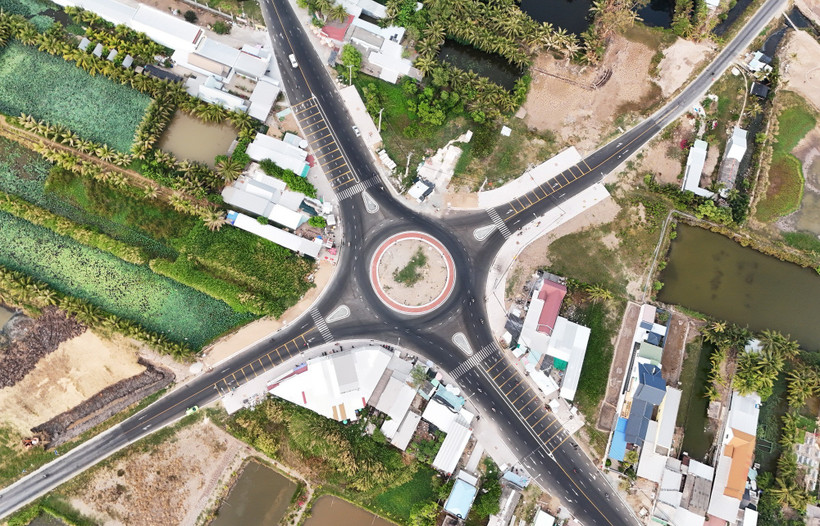
The North–South expressway brings new face to the Mekong Delta region. (Photo: VNA)

HCM City (VNA) - Despite being identified as a long-term growth driver, Vietnam’s infrastructure sector faces a major funding gap, with public capital covering only a portion of demand. With over 600 billion USD needed by 2040, mobilising capital, particularly from the private sector and international investors, poses institutional and financial challenges, according to experts.

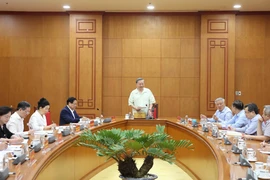
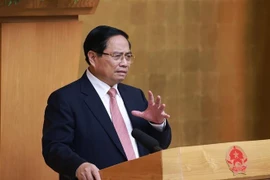
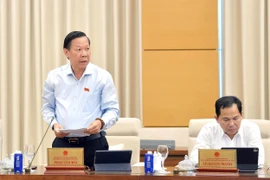
Speaking at a conference on promoting sustainable infrastructure investment in Vietnam, held on September 24 in Ho Chi Minh City, Nguyen Minh Hieu, standing member of the National Assembly’s Economic Committee, stressed that infrastructure development is a strategic, long-term foundation for economic growth. Since late 2024, both the National Assembly and Government have prioritised this in their policy resolutions.

He noted that Vietnam, amid global uncertainty, is determined to boost growth through institutional reform and major investment in infrastructure. These are considered the two core pillars to achieving over 8% growth by 2025 and sustainable development beyond.

Priority is being given to large-scale, inter-regional transport projects with wide-reaching impact such as the North–South expressway, high-speed railway with a total cost of 67 billion USD, along with airports, seaports, urban rail, logistics networks, and key economic zone infrastructure. These projects fall under the public investment plan and require National Assembly approval.

However, where will the capital come from to realise these ambitious plans remains a pressing question.

According to Oxford Economics, Vietnam will require more than 600 billion USD by 2040, with a significant financing gap estimated in the hundreds of billions.

Hieu emphasised that while this is a formidable figure, it is achievable with the right approach. Beyond the state budget, private and foreign capital - via PPP models, infrastructure bonds, international fundraising, and dedicated investment funds - is essential. However, to attract long-term private capital, robust institutions, transparency, and effective project governance are key.

Nishant Kumar, Asia Regional Director of the Private Infrastructure Development Group (PIDG), noted Vietnam’s progress in developing its capital markets and laying the groundwork for sustainable infrastructure finance. Yet the scale of demand still far outweighs current funding capabilities.

He stressed that credit guarantee instruments are becoming essential—not just optional—for Vietnam to mobilise long-term private capital, especially from institutional investors. Credit guarantees act as insurance, reducing investment risk, increasing issuers’ access to capital markets, and helping bridge the gap between investors and high-risk infrastructure projects.

Experts at the conference also highlighted the potential of green bonds to finance sustainable infrastructure. Though still limited in number, green bond issuances represent a major opportunity, especially as Vietnam targets Net Zero by 2050.

Simon Chen, Head of Ratings and Research at VIS Rating, explained that infrastructure projects typically have long implementation timelines - often 10–20 years, unlike standard corporate loans which average 7–10 years. Thus, banks are not always the ideal funding source. Bond markets can fill this gap by providing longer-term, tailored capital.

Chen added that Vietnam’s corporate bond market has undergone significant reforms over the past three years, with clearer regulations now in place. These changes have improved accessibility for issuers. However, more preparation is needed to help businesses become bond-market ready, especially in infrastructure sectors.

Vietnam’s institutional investor base is still developing. Aside from insurers, only a few bond funds exist, and they remain small in scale. Therefore, analysts held that growing this investor group, particularly to support the green bond market, is essential for sustainable infrastructure financing./.

VNA
See more

Melons labelled with traceability codes on display at the Song Van agricultural produce store in Ninh Binh city, Ninh Binh province. (Photo: VNA)

Tracing origins hindered by fragmented data systems

As the Government accelerates the digital economy, establishing a unified national traceability system has become a crucial move to end data fragmentation and disconnection among ministries, sectors and localities.

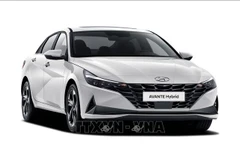
Hyundai unveils its new Avante Hybrid model in Seoul, the Republic of Korea, on August 13, 2020. (Photo: Yonhap/VNA)

Tax cuts poised to ignite Vietnam’s hybrid vehicle boom from 2026

Experts forecast that 2026-2030 will mark a period of strong growth for hybrid vehicles in Vietnam, a trend that will invigorate the automotive sector while supporting national objectives on emissions reduction, sustainable development and the broader transition to green mobility.

Illustrative image (Photo: VNA)

Vietnam targets 1 billion USD in banana exports

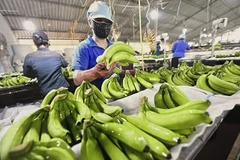
Bananas have been identified as a priority product under the Project for the Development of Key Fruit Crops to 2025, with a vision to 2030, approved in October 2022. Under the plan, banana acreage is projected to reach 165,000–175,000ha by 2030, with output of 2.6–3 million tonnes.

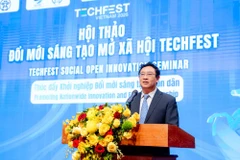
Deputy Minister of Foreign Affairs Nguyen Minh Hang (Photo: VNA)

Event connects Vietnamese businesses with African countries

Deputy Foreign Minister Nguyen Minh Hang held that to develop Vietnam – Africa ties more strongly and substantively, it is necessary to promote the engagement of businesses, and that the Government will create favourable conditions for them to enhance fruitful cooperation.

Deputy Prime Minister Ho Duc Phoc (R) and Independent Non-executive Chairman of AIA Mark Tucker at their meeting in Hanoi on December 12. (Photo: VNA)

AIA Group envisions long-term investment, cooperation in Vietnam

Over 25 years of operation in Vietnam, AIA has achieved positive results. Its premium revenue ranks among the top five life insurers, reaching nearly 14.83 trillion VND (563.71 million USD) in 2024 and an estimated 15.73 trillion VND in 2025, equivalent to around 10% of the market share.

A view of the 2025 Japan business roundtable in HCM City on December 12. (Photo: VNA)

Ho Chi Minh City courts Japanese investment with growth blueprint

Ha underscored the pivotal contributions of Japanese firms, which have long supported local socio-economic progress through major infrastructure projects, industrial zones and workforce training courses. To date, Japanese companies have invested more than 15 billion USD in over 2,200 projects, reflecting sustained confidence and commitment to the market.

Deputy Prime Minister Bui Thanh Son receives Kounlaphanh Vongnathy, Vice President of Phongsupthavy Group, in Hanoi on December 12, 2025. (Photo: VNA)

Lao group urged to deepen energy ties with Vietnam

Deputy Prime Minister Bui Thanh Son has commended Phongsupthavy Group as one of Laos’ leading investors supplying electricity to Vietnam, noting its pledge to ramp up power exports and actively contribute to the implementation of energy cooperation agreements endorsed by senior leaders of the two Parties and States.

An Giang OCOP product booth at the fair (Photo: VNA)

Vietnam–Cambodia OCOP fair expected to boost cross-border trade

The fair offers an opportunity for Vietnamese and Cambodian enterprises to meet and promote their brands and speciality products to both domestic and international visitors, he added, noting that it also serves as a platform for trade connections, helping businesses seek partners, expand distribution networks and access the promising border market.

Vietnamese Ambassador to Argentina and Paraguay Ngo Minh Nguyet (third from left), Paraguayan Minister of the Secretariat of Linguistic Policies Javier Viveros (second from left), and Vietnam's Honorary Consul in Paraguay María Del Carmen Pérez (C) pose for a photo with delegates. (Photo: VNA)

Ample room remains for Vietnam-Paraguay economic ties: Ambassador

Addressing a ceremony marking the 30th anniversary of the establishment of the bilateral diplomatic ties on December 11, Vietnamese Ambassador to Argentina and Paraguay Ngo Minh Nguyet affirmed that Vietnam, one of the fastest-growing economies in Asia, can become a strategic partner to help Paraguay expand its presence in the regional market.