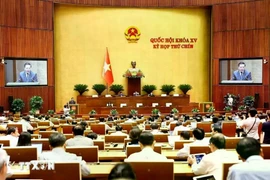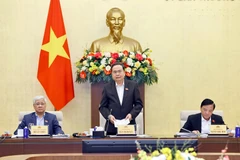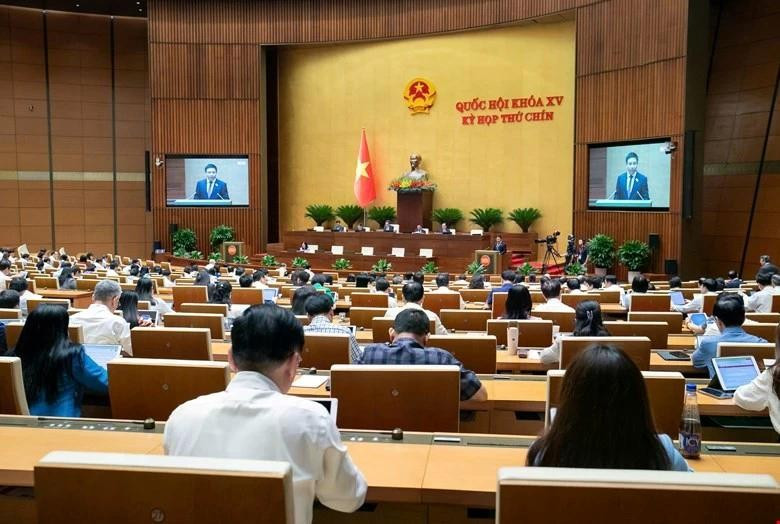
Hanoi (VNA) - The 9th session of the 15th National Assembly (NA) concluded its first phase with significant outcomes, laying the foundation for achieving the socio-economic development goals in the new period, NA deputies have said.
The first phase of the 15th NA’s 9th session officially concluded on May 29. With a heavy workload and a number of "historic decisions," the first phase of the 9th session is seen as a key turning point in addressing institutional bottlenecks, unlocking resources, and creating new momentum for the country’s socio-economic development.
Intensive work schedule
The 15th legislature’s 9th session was held amid a mix of challenges and opportunities facing the country. To meet development requirements in the new context, the NA focused on passing important laws and resolutions with wide-ranging impacts on society.
Talking to the press on the sidelines of the session, lawmakers praised the outcomes, highlighting the swift working spirit and strong consensus during the discussions and adoption of key decisions.
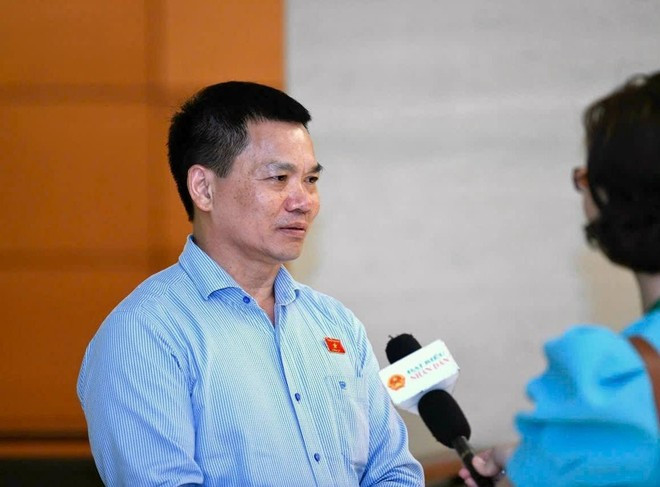
Duong Khac Mai, a deputy from the Central Highlands province of Dak Nong highlighted the significance of the session, noting that many crucial issues were addressed, including implementing key resolutions of the Party Central Committee, which are decisions of historic significance.
To prepare for the session, Mai noted that government and parliamentary agencies worked at a high intensity, with a comprehensive agenda. He said legislators showed strong focus, carefully studying documents and giving well-founded opinions both in group discussions and debates at the hall.
The NA adopted several key laws, including the Land Law (amended), the revised Laws on Credit Institutions, and Bidding, which are expected to establish a more consistent, transparent, and effective legal framework to support socio-economic development and ensure the legitimate rights and interests of people and businesses.
Nguyen Quang Huan, a deputy from the southern province of Binh Duong, noted that with the huge workload, drafting agencies had to work day and night to revise content, incorporate feedback, and prepare updated reports for further discussions in the plenary sessions.
Determined to remove institutional bottlenecks
One of the issues of particular concern at the session was how to tackle institutional bottlenecks to create more favourable conditions for the country’s development. Many NA deputies candidly pointed out shortcomings in current mechanisms and policies, while also proposing specific solutions.
Mai stressed that the decentralisation and delegation of authority are key solutions to unlocking resources and promoting the local initiative and creativity. However, it is essential to have clear and transparent responsibilities, along with strengthened inspection and oversight mechanisms to ensure the efficiency of these measures.
At the session, NA deputies also placed special emphasis on supporting business development, viewing it as an important driver of economic growth. Resolution No. 68-NQ/TW of the Politburo is expected to create positive changes in the coming time.
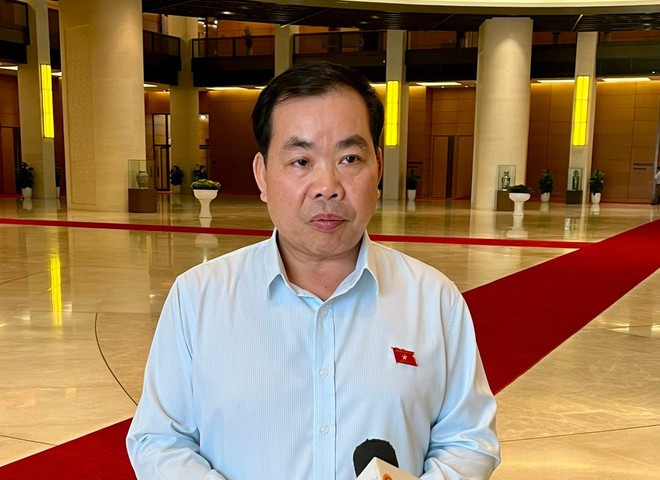
Huan said the NA swiftly translated Resolution 68 into action through the adoption of Resolution No. 198/2025/QH15 similar to the earlier approach with Resolution No. 57-NQ/TW and Resolution No. 193/2025/QH15 on science and technology.
This shows that the legislature was determined to address urgent issues without delay, he noted.
According to Huan, although Resolution No. 198/2025/QH15 cannot cover all aspects of Resolution No. 68-NQ/TW, it has institutionalised the most essential parts. This provides a legal framework for the government and relevant ministries to act. Through this, the NA demonstrated its determination to support the country's development./.