Green transition in tourism: A thorny way

Opting for sustainable tourism development is indeed not all roses. Following the trend, businesses and localities must grapple with significant pressure - ranging from awareness to concrete action and resource allocation

du-lich-xanh-1.jpg
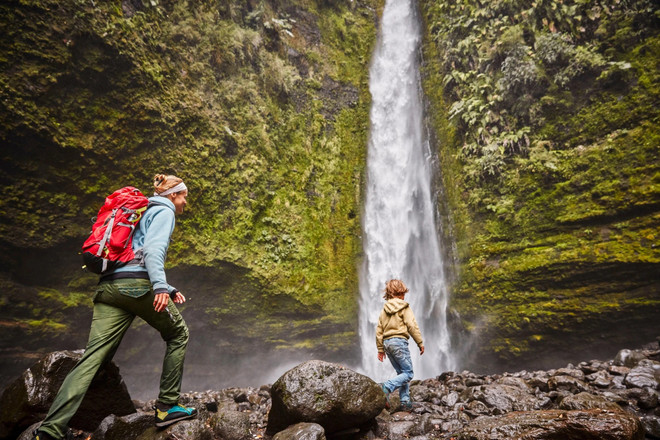
Green tourism offers in-depth and more engaging experiences for travellers. (Illustrative image: Vietnam+)

Hanoi (VNA) - No longer a matter of choice, the green transition in tourism has become a mandatory requirement for any path towards long-term, responsible, and sustainable development.

This was the shared consensus among policymakers, experts, and businesses at the forum “Developing green destinations to elevate Vietnamese tourism,” organized by the Vietnam Tourism Association, held on 11 April in Hanoi.

Enriching travelers’ experiences

Experts affirmed that tourism is not only a key composite economic sector that contributes to GDP growth, job creation, and cultural exchange, but also an essential pillar in a national sustainable development strategy.

Affirming the broader vision of the United Nations Development Program (UNDP) that green destinations should go beyond community-based conservation in coastal and protected areas, Mr. Patrick Haverman, UNDP Deputy Resident Representative in Vietnam, noted: “We also recognize the vital role of green transport. Encouraging travelers to prioritize eco-friendly modes of transport not only enhances their experience but also directly contributes to cleaner air and supports Vietnam’s ambitious net-zero emissions goals.”

du-lich-xanh-2.jpg
Green transport helps protect the environment and contributes towards Vietnam’s ambitious net-zero emissions goals. (Illustrative image: Vietnam+)

According to Mr. Haverman, a pilot project in Phu Yen province and Hue city - marked by the recent opening of “Check-in and share green transport” stations in Tuy Hoa and Hon Yen - is a tangible step in realizing this vision.

Typical examples of sustainable models

In recent years, many localities and businesses have realized that developing green, sustainable tourism is the strategic path to asserting brand value in the global travel market and enhancing national competitiveness.

Tra Que Vegetable Village in Hoi An, Quang Nam province, is a prime example. Thanks to local government initiatives to promote sustainable tourism - through green tour routes and a focus on harmonizing natural and socio-cultural values - this destination continues to attract large numbers of international visitors each year.

pham-ha.jpg
Pham Ha, Chairman and CEO of LuxGroup, an investor deeply committed to sustainable tourism. (Photo: Vietnam+)

In line with the tourism sector’s green transformation, Lux Travel DMC, a member of LuxGroup, has pursued the path of sustainable development through a commitment to using eco-friendly transport, optimizing travel itineraries to reduce fuel consumption, and conducting net-zero emission audits.

The company also supports local communities by integrating tourism with culture, heritage, and livelihoods.

Notably, Lux Travel DMC has implemented carbon offset programs, contributing 1.5 USD per tourist to support forest reforestation, nature conservation, and the protection of local cultures in Vietnam.
du-lich-xanh-3.jpg
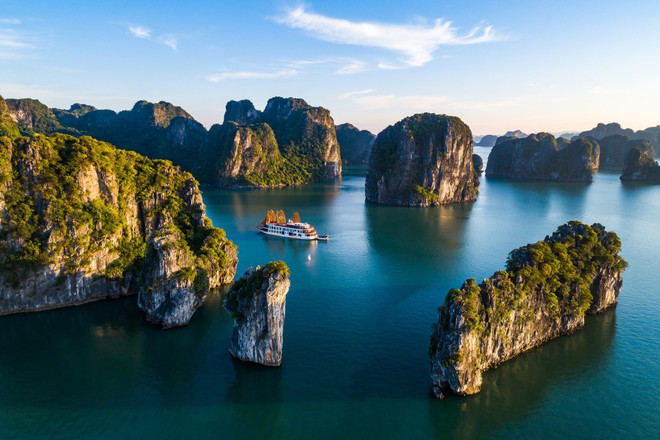
Luxury service providers in Ha Long Bay and the Cat Ba Archipelago remain deeply concerned about keeping the bay free of waste and preserving the long-term greenery of the heritage site. (Photo: Vietnam+)

A road not paved with roses

Despite initial success in the sustainable tourism journey, Pham Ha, Chairman and CEO of LuxGroup (the parent company of Lux Travel DMC), candidly admits that the green path is far from easy. The greatest challenge, he says, lies in the economic aspect - investing in energy-efficient equipment, waste treatment systems, and environmentally friendly materials all requires high upfront costs and long payback periods.

At LuxGroup, for example, they have replaced all single-use plastic bottles, switched to fabric bags, and equipped offices and cruise ships with energy-saving systems.

To overcome such barriers, Mr. Patrick Haverman emphasized four priority areas for Vietnam’s green transition in tourism: green planning; effective destination management; plastic-free and low-carbon tourism; and nature-based sustainable travel.

du-lich-xanh-4.jpg
Travelers join a jogging tour - jogging and picking up litter to protect the environment. (Illustrative image: Vietnam+)

To further reduce carbon emissions, Professor Dr. Nguyen Van Dinh, President of the Institute for Tourism Economics, recommended using environmentally friendly transport (such as electric vehicles, bicycles, and public transit), encouraging nature-based tourism and reducing long-haul air travel; limiting the use of single-use plastics in hotels and restaurants; conserving water and electricity; and integrating renewable energy into accommodation facilities. He also stressed the importance of ecosystem protection and avoiding overexploitation of natural resources.

The journey to elevate Vietnamese tourism through the development of green destinations is not only a long-term aspiration but also a strategic necessity and opportunity.

“UNDP Vietnam is committed to working alongside the Ministry of Culture, Sports and Tourism, the Vietnam Tourism Association, and all partners on this transformational journey,” Mr. Haverman affirmed. “A green transition in tourism is not only a powerful driver of economic growth, but also a vital shield to protect Vietnam’s priceless natural heritage for future generations,” he noted.

du-lich-xanh-5.jpg
Ninh Binh is also among the provinces striving to become a sustainable green destination. (Illustrative image: Vietnam+)

See more

A double-decker sightseeing bus in Ho Chi Minh City. (Photo: VNA)

HCM City elevates destination appeal, enhances tourism workforce quality

As Ho Chi Minh City’s tourism sector continues to sustain growth momentum, it is shifting strongly from post-merger recovery to development acceleration, with a focus on restructuring destination spaces to offer diverse tourism models and attract more domestic and international visitors.

Visitors tour Ngo Mon (Noon Gate) at the Hue Imperial Citadel. (Photo: VNA)

Visit Vietnam Year – Hue 2025: renewing heritage, shaping distinct brand

Visit Vietnam Year – Hue 2025 has left a series of strong imprints, reflecting a marked transformation in Hue’s tourism in terms of scale, quality and brand positioning. More than a programme of events, it has become a powerful driver, helping position Hue as a competitive cultural and heritage tourism centre in the region.

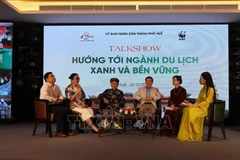
A view of the talkshow within the conference in Hue on December 12 to review and discuss strategic orientations for the 2023-2025 roadmap to reduce plastic waste in the local tourism sector. (Photo: VNA)

Hue accelerates shift toward green, low-plastic tourism models

Over the past three years, Hue tourism authorities have strengthened communication and advocacy for plastic waste reduction through 10 training sessions with 690 participants, “Coffee Talk” events, professional Zalo groups, and direct engagement with businesses. As a result, 102 enterprises and business households have signed commitments to reduce plastics, and 12 hotels have pioneered plastic-reduction practices.

The inaugural flight from New Delhi lands at Phu Quoc International Airport (Photo: Sun Group)

Phu Quoc welcomes new direct flights from India

Phu Quoc International Airport welcomed over 180 Indian travellers on a new direct flight from New Delhi on December 10, marking the start of a month-long flight series that will link the two destinations and bring a fresh wave of visitors to Vietnam’s pristine island.

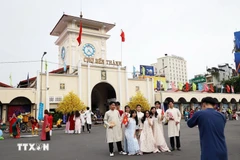
Visitors pose for a photo at Ben Thanh Market in HCM City (Photo: VNA)

HCM City speeds up digital tourism to draw more travellers

Following its goal of building a friendly destination, the Ho Chi Minh City Department of Tourism is rolling out a range of local stimulus programmes, with a focus on bringing the city’s signature attractions closer to domestic and international visitors through digital platforms.

Foreign visitors are touched to receive meaningful gifts from their Vietnamese friends (Photo: VietnamPlus)

Vietnam welcomes more than 19 million international visitors in 11 months

A UN Tourism report highlighted Vietnam’s performance as one of the most notable recoveries worldwide. While tourism across the Asia–Pacific has rebounded to only around 90% of pre-COVID levels, Vietnam is among a select group of destinations, alongside Japan, recording rapid and sustained growth, it said.

Foreign visitors explore Hanoi’s old quarters by cyclo, admiring the city’s timeless beauty. (Photo: VNA)

Vietnam draws French holidaymakers during Christmas, New Year

Patrice Caradec, President of the Syndicate of French Tour-Operators (SETO), said the country has not attracted as many French tourists since COVID-19. As Vietnam reopened later than several Asian destinations, pent-up demand has surged with the full recovery of tourism. The “S-shaped” nation has now returned to pre-pandemic levels of French arrivals.