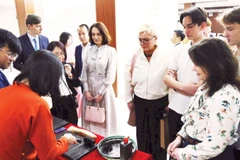
Hanoi (VNA) – This year’s National Day (September 2) holiday is expected to bring a record number of domestic and international tourists to Hanoi, where visitors can explore not only historic landmarks and cultural sites but also the captial city’s rich culinary heritage.
From humble street vendors in narrow alleys to centuries-old eateries and modern fine-dining restaurants, cuisine has become an integral part of Hanoi's tourism appeal. Each dish offers a unique taste and cultural experience, making every journey to the capital more complete and memorable.
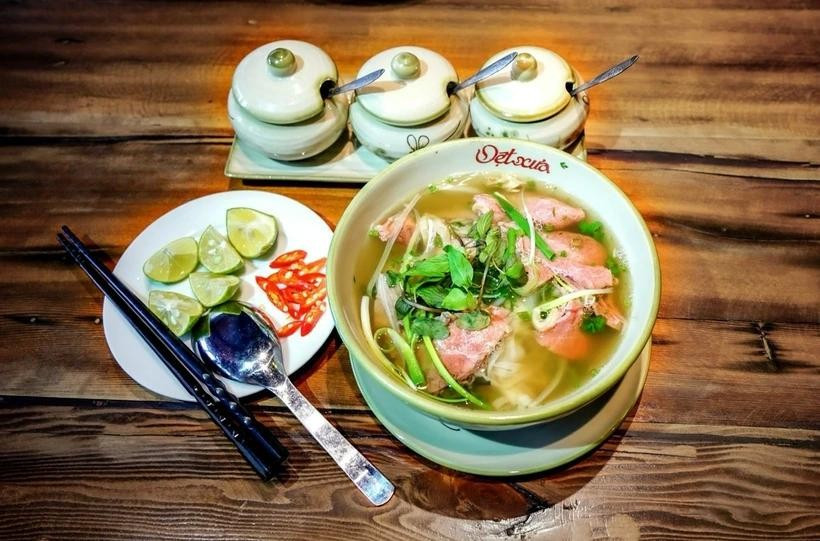
Nguyen Quang Liem, a visitor from Ho Chi Minh City, said Hanoi’s cuisine is incredibly diverse. “People often describe its famous dishes, but only by tasting them in the true Trang An style can one understand their charm. I especially love pho bo Hanoi [Hanoi beef noodle soup] – its flavour here is unique, unlike anywhere else.”
Hanoi’s food not only captivates Vietnamese travelers but also leaves a lasting impression on international visitors. TripAdvisor once ranked Hanoi among the world’s top food destinations, with reviewers praising its delicate flavours, fresh herbs, and harmonious blend of spices.
Gabriel, a Canadian tourist, shared her experience on a Hanoi street food tour. Guided by a local, she sampled six different dishes in just a few hours. Learning about their origins, preparation, and meaning made the tour unforgettable, she said, adding that her favourites were bun bo Nam Bo [southern-style beef noodles] and Hanoi-style spring rolls.
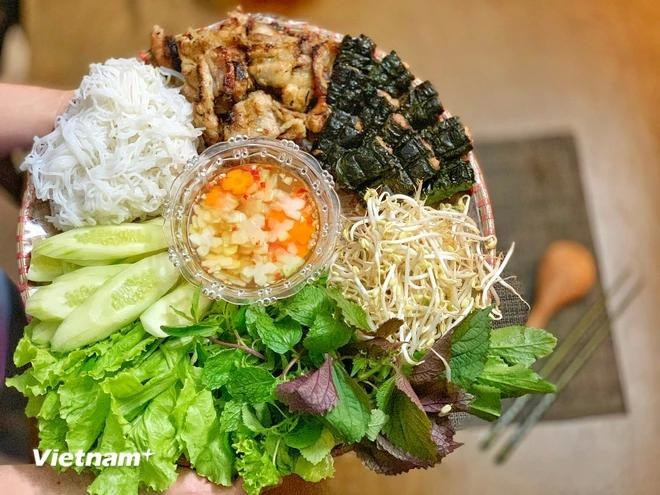
Similarly, Claire Brew from the UK joined two food tours during her two-week stay in Hanoi. She said the tours not only delighted her palate but also gave her deeper insight into Vietnamese culinary culture. The varied menu catered to different preferences and ages, while fresh salads and tropical fruit dishes left the strongest impression on her.
Culinary culture has been identified as a priority in Vietnam’s tourism development strategy to 2030, aiming to boost competitiveness and build a strong national brand. According to Ha Van Sieu, Deputy Director General of the Vietnam National Authority of Tourism, cuisine not only reflects regional traditions but also connects services, helping extend visitor stays, increase spending, and generate sustainable revenue.
A “soft ambassador” of Hanoi tourism
On August 18, three Hanoi specialties—banh cuon (steamed rice rolls), cha ca La Vong (grilled fish), and the Bat Trang feast—were recognised by the Ministry of Culture, Sports and Tourism as national intangible cultural heritage. These dishes, admired for both taste and artistry, highlight the sophistication and cultural depth of Hanoi’s gastronomy.
It is worth mentioning that over the centuries, with its sophistication in flavour, cultural depth and ability to connect the community, with hundreds of unique dishes, Hanoi cuisine has increasingly affirmed its role as a "soft ambassador" of the capital's tourism. Capitalising on this strength, travel agencies are designing more food tours with flexible schedules and engaging content, particularly for foreign visitors.
Leading companies such as Hanoitourist, Vietravel, and Holiday Indochina are promoting culinary tours combined with city sightseeing during the National Day holiday. These often take tourists to long-standing eateries, craft villages, or historical sites. For foreigners, cooking classes, market trips with chefs, and thematic tours such as “Old Quarter – Tea Ceremony – Vietnamese Pho” are especially popular, leaving lasting impressions and helping spread Hanoi’s culinary reputation worldwide.
According to Tran Tuan Huy, Marketing Manager of Hanoitourist, food tours usually last two to four hours for small groups such as couples, families, or friends. Prices range from several hundred thousand to over 2 million VND (76 USD), depending on group size and transport options. “Foreign visitors often choose these tours not only to taste authentic dishes but also to engage with locals and learn about Vietnamese culture through food,” he said.
Hanoi’s cuisine has thus become more than a tourism product but it is a bridge of emotions connecting visitors with the thousand-year-old capital. For both domestic and international travelers, exploring its culinary delights is not only a journey of flavours but also a source of lasting memories./.