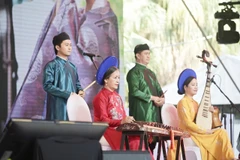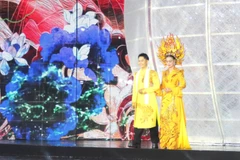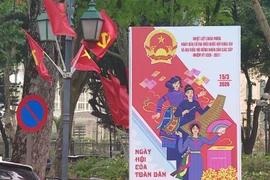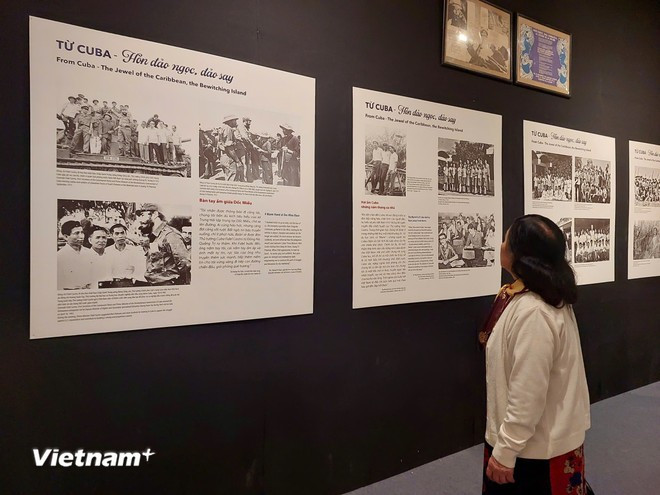
Hanoi (VNA) – The vision and brand of a UNESCO Creative City are becoming an increasingly important driver of Hanoi’s socio-economic and cultural development, helping the capital attract investment, stimulate urban innovation, enhance education and expand its network of cultural events.
On October 30, 2019, Hanoi became an official member of the UNESCO Creative Cities Network (UCCN), marking a strategic turning point in the city’s long-term development orientation.
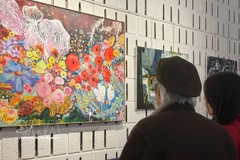
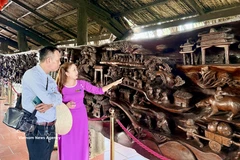
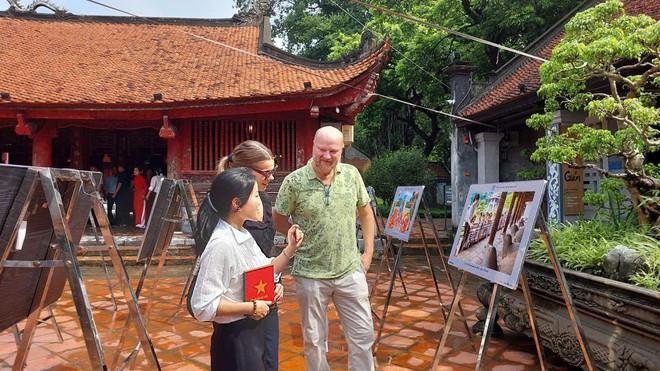
Since joining the network, the capital has witnessed a revived dynamism at major cultural and heritage sites such as Hoan Kiem Lake, the Temple of Literature, national museums, contemporary art centres and traditional craft villages including Bat Trang, Van Phuc and Dong Ho. These locations not only reinforce Hanoi’s cultural identity but also serve as creative hubs that nurture design innovation and cultural industries.
A dynamic creative metropolis
According to Director of the Hanoi Department of Culture and Sports Bach Lien Huong, the past six years have seen Hanoi implement concrete actions to fulfil its commitments to the UCCN. In 2024, the city established a specialist advisory council on creative development, launched new creative activity spaces, and introduced the Hanoi Creative Coordination Centre alongside the Hanoi Network of Creative Cultural Spaces. These initiatives support wider public engagement and enable stronger linkages between local and international creative communities.
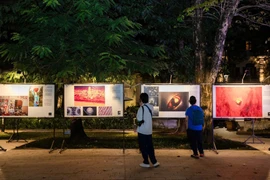
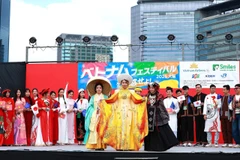
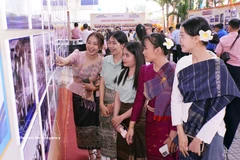
A major highlight in Hanoi’s creative landscape is the Hanoi Creative Design Festival, held annually with expanding scale and influence. The festival attracts designers, researchers, cultural organisations and businesses from Vietnam and abroad, contributing to the formation of Hanoi’s Creative City brand. Its activities, ranging from exhibitions and workshops to architectural revitalisation projects, have helped activate abandoned or underused urban zones and integrate creativity into community spaces.
UNESCO Representative in Vietnam Jonathan Baker affirmed that Hanoi’s status as a Creative City has opened a new development chapter where creativity becomes a core engine of progress. He commended the city’s growing network of cultural and creative spaces, its vibrant festivals and expanding community-driven initiatives. Baker expressed his hope that Creative Cities worldwide will continue strengthening cooperation, especially in designing flexible, community-oriented festivals and models that preserve local cultural identity while encouraging innovation.
International cooperation and youth empowerment
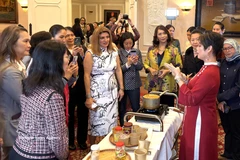
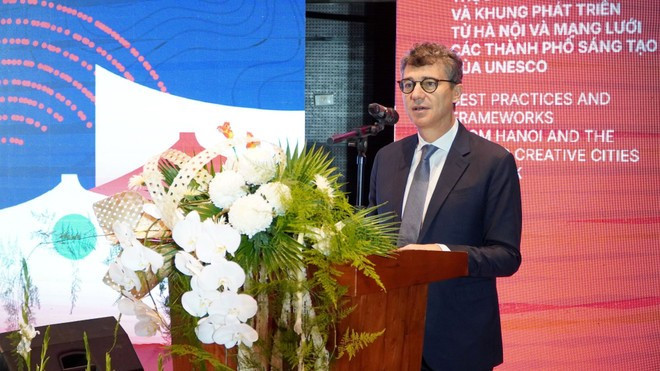
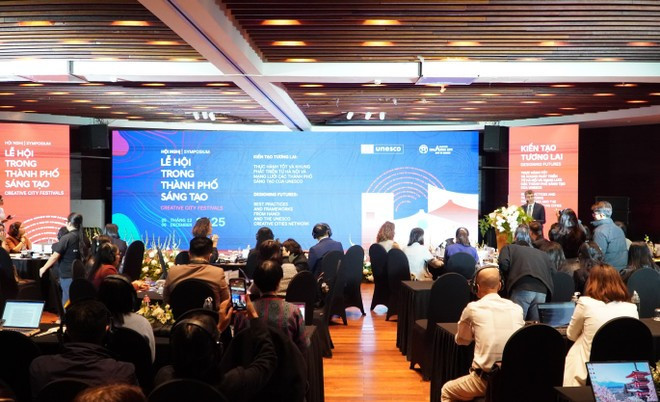
On December 5, the Hanoi Department of Culture and Sports and UNESCO Vietnam co-organised an international conference on creative cultural festivals. The event gathered speakers from several UNESCO Creative Cities to share experience in developing sustainable creative ecosystems.
Representing Chiang Mai (Thailand), Suwannee Senee said the city has successfully built a strong creative community through a public–private–people (PPP) partnership model. With over 200 active creative spaces, Chiang Mai’s creative industries contribute an estimated 12–14% of provincial GDP, demonstrating the sector’s substantial economic potential.
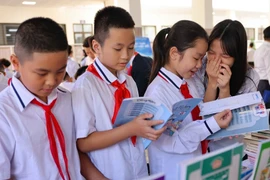
From Japan, Tomoko Hayashi of the Federation of UNESCO Associations shared lessons from Asahikawa, which focuses on fostering design literacy, empowering young people and integrating creative education into daily life through hands-on learning and community projects.
Meanwhile, Tan Shen Lene Esther of the DesignSingapore Council highlighted the city-state’s emphasis on sustainability. The country has adopted green standards for festivals, reduced waste, introduced recycling for structural materials and applied modular design to allow installations to be reused across multiple events.
Hanoi’s active participation in the UNESCO Creative Cities Network is reinforcing its cultural identity, stimulating innovative industries and expanding opportunities for international cooperation. The city’s efforts are contributing not only to enhancing its global profile but also to building a sustainable, inclusive and creative future for its residents./.