Hanoi takes bold steps towards plastic-free future

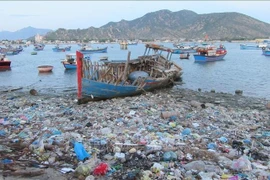
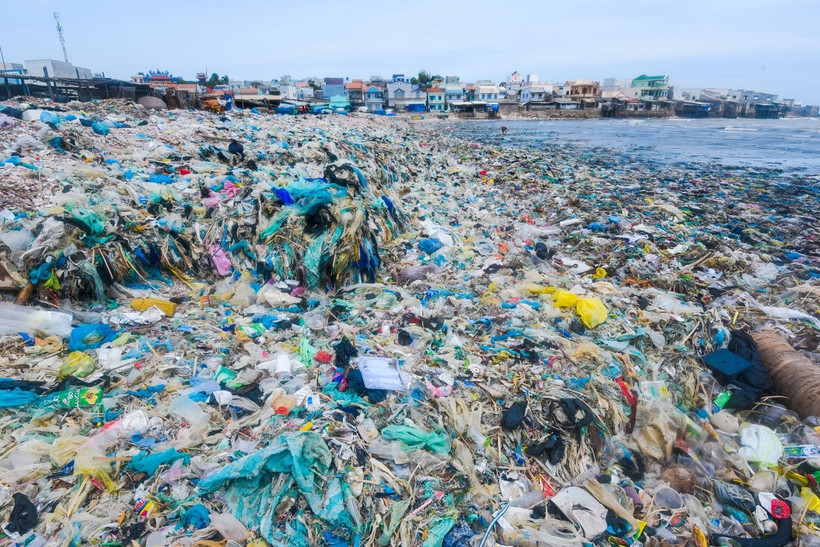
Currently, Hanoi generates nearly 1.43 million tonnes of waste per day, with plastic bags and single-use items accounting for about 60% of that total.

Hanoi launches an ambitious plan to curb plastic waste, aiming for a cleaner environment and better public health. (Photo: VNA)

Hanoi (VNA) – Hanoi has launched an ambitious plan to curb plastic waste, aiming for a cleaner environment and better public health.

On July 10, the municipal People's Council passed a resolution outlining strict measures to reduce plastic emissions, in line with the 2024 Capital Law. The resolution sets out a clear phased roadmap for gradually restricting single-use plastics.

Currently, the capital generates nearly 1.43 million tonnes of waste per day, with plastic bags and single-use items accounting for about 60% of that total.

Shifting consumption habits

From January 1, 2026, hotels, resorts, and tourist destinations in Hanoi will no longer be allowed to use single-use plastic items such as toothbrushes, razors, cotton buds, and shower caps. Plastic sachets for products like toothpaste, shampoo, body lotion, and similar items will also be banned, according to the resolution.

Public agencies and administrative offices will be required to stop using single-use plastics and non-biodegradable packaging, including plastic bags and foam food containers, unless certified under Vietnam’s eco-label programme.

The resolution also sets firm deadlines for the commercial sector. From January 1, 2027, traditional markets and convenience stores will be prohibited from distributing non-biodegradable plastic bags free of charge. A year later, these outlets must stop selling or using single-use plastics and difficult-to-decompose packaging altogether, with an exception for pre-packaged goods.

Online retailers are also requested to cut back on plastic use, particularly shock-absorbing plastic materials. They must put in place measures to recover such packaging to prevent environmental leakage.

Targets for production

From January 1, 2028, manufacturers using polyethylene (PE) and polypropylene (PP) in packaging production will be required to include at least 20% recycled plastic in their products. This minimum will increase to 30% from January 1, 2030.

The city will also gradually phase out the production and import of single-use plastic items, non-biodegradable packaging, and products containing microplastics. From January 2031, Hanoi will completely ban the production and import of such items, unless they are certified under the national eco-label programme.

Legal backing and public support

Duong Ngoc Luu, a resident of Cau Giay ward, said the resolution demonstrates strategic vision and reinforces shared environmental responsibility.

Nguyen Thi Nhung, a grocery shop owner in Ha Dong ward, said she has already replaced plastic bags with paper. While this increased costs slightly, she believes the long-term benefits far outweigh the short-term burden.

Associate Professor Dr. Luu Duc Hai, Chairman of the Vietnam Environmental Economics Association, stated that the city's phased restrictions on plastic use should be accompanied by increased taxes on the production and consumption of non-biodegradable plastic bags.

He also called for clearer technical standards and safety regulations for alternative materials such as biodegradable bags, paper boxes and cloth bags.

Lawyer Le Quang Vung emphasised the importance of enforcing provisions in the 2024 Capital Law, especially the requirement for local authorities to implement waste sorting at source and adopt advanced waste treatment technologies.

Reducing plastic waste also requires sustainable solutions from both businesses and the wider community.

Experts have suggested that Vietnam should recognise reputable international certificates for biodegradable products—such as the “compostable” labels used in Europe and the US—to support domestic enterprises in manufacturing, market access and product promotion. Such measures would reflect Hanoi’s strategic vision towards balancing economic growth with the need to tackle plastic pollution./.

VNA

See more

Cultural activities are held at the 2026 Vietnamese Language Summer Camp in Klinok village on the outskirts of Minsk, Belarus. (Photo: VNA)

Vietnamese language preserved across globe

In the new context, Politburo Resolution No. 23-NQ/TW, dated August 2, 2026, continues to place the preservation of the Vietnamese language within the strategic vision of mobilising resources from the Vietnamese community abroad and promoting Vietnamese cultural values around the world.

Overseas Vietnamese teachers participating in the 2026 training course on Vietnamese language teaching methods (Photo published VNA)

Leveraging overseas Vietnamese resources for Vietnam-France ties

As Vietnam enters a new era of prosperous and harmonious development, top leader To Lam's official visit to France will significantly contribute to the special dynamics of bilateral relations while fostering shared commitments to international peace, security, and stability.

Ambassador Nguyen Huong Tra briefs representatives of the Vietnamese communities in Belgium and Luxembourg on the country's situation. (Photo: VNA)

Overseas Vietnamese ready to contribute to national transformation

Affirming that overseas Vietnamese are an integral part of the nation and partners in its development and creation, Vietnamese Ambassador to Belgium and Head of the Vietnamese Mission to the European Union (EU) Nguyen Huong Tra pledged to listen to them openly and responsibly, and convey their recommendations to authorities at home.

The operation to remove the bomb is carried out cautiously and meticulously by military forces. (Photo: VNA)

Phu Tho: 200kg bomb safely relocated, detonated

According to a report by the Phu Tho Military Command, local residents spotted the bomb on August 31 in the Da River after the river water receded, exposing it beneath mud and soil on the riverbed. The bomb remained intact, including its fuse, and was located about 300m from a residential area.

Quang Ninh's seaport infrastructure, including the Ha Long International Cruise Port, is capable of serving large cruise ships. (Photo: VNA)

Quang Ninh 2030: Ambitious targets for a breakthrough

These objectives reflect the principle that economic development must not become detached from living standards; rather, the benefits of growth should create opportunities for all residents to share in its achievements.

A police officer guides a citizen on how to use VNeID app. (Photo: VNA)

Shift to data-driven administrative procedures needs acceleration

Under a draft decree replacing Decree 63, authorities will have to proactively pull information from databases and records for informational or technical procedures. Applicants would no longer be required to resubmit documents, and certification or information requests could not be turned into discretionary licensing through an “ask – give” mechanism.

Cuban journalist Luis Manuel Arce Isaac, author of the article published in Mexico’s Voces del Periodista magazine. (Photo: Screenshot/VNA)

Mexican journalist praises Vietnam’s profound transformation

According to the article, Vietnam’s progress over the past decades has turned President Ho Chi Minh’s aspiration for a country that would be more dignified and more beautiful into reality in ways that have far exceeded what was initially envisioned.

The Liaison Board of the Vietnamese Community in Singapore organises the annual Mid-Autumn Festival to strengthen community bonds and spread Vietnamese language and culture. (Photo: VNA)

Continued efforts made to nurture love for homeland through mother tongue

From language classrooms and community activities to digital platforms, Vietnamese is being preserved through increasingly diverse approaches. More than a means of communication, the mother tongue carries memories, culture and affection for the homeland. Ensuring that Vietnamese remains naturally present in the daily lives of overseas Vietnamese is therefore an important way to nurture their lasting bond with the Fatherland.