The development of linkups between Ho Chi Minh City’s businesses andthose from Mongolia was the central topic at a conference held in thecity on April 16.
Regzenda Sandag, Vice Director of Mongolia’sLight Industry Policy Implementation and Coordination Department underthe Ministry of Food, Agriculture and Light Industry said at theworkshop that her country has been undertaking many action programmes toboost its growth and integration into the global economy.
Awide range of Mongolian exports to the European Union (EU) enjoypreferential tariffs and the country is approaching the signing of aFree Trade Agreement (FTA) with Japan. Thus, investment in Mongolia’sindustrial parks will benefit from its investment incentives such as taxexemptions and reductions and other financial support, she added.
The official also stressed Mongolia hopes to step up collaborationwith HCM City, especially the sharing of experience and exchange ofspecialists in the garment and textile sector, aiming to seek measuresto facilitate the development and export in the field.
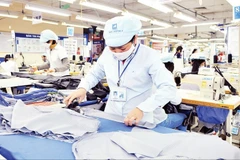
NguyenBinh An, deputy head of the Southern Office of the Vietnam Textile andApparel Association (Vitas), said the sector in Vietnam has reached anannual average growth of 15-20 percent, with a yearly capacity of 3billion products.
An noted that Vietnam has implementedpolicies aimed at turning the country into an investment destination inthe eyes of garment investors around the world. Collaboration withcountries is crucial to this goal, hence the partnership with Mongolia,which possesses great potential in raw materials for the industry.
Deputy Director of the municipal Department of Industry and Trade TranXuan Dien suggested the garment and textile enterprises of HCM City andMongolia need to overcome language-related barriers and geographicaldistance to facilitate logistics and trade transaction between the twosides.
The trade turnover between HCM City and Mongolia reached3 million USD last year and 500,000 USD in the first quarter of thisyear.-VNA
Regzenda Sandag, Vice Director of Mongolia’sLight Industry Policy Implementation and Coordination Department underthe Ministry of Food, Agriculture and Light Industry said at theworkshop that her country has been undertaking many action programmes toboost its growth and integration into the global economy.
Awide range of Mongolian exports to the European Union (EU) enjoypreferential tariffs and the country is approaching the signing of aFree Trade Agreement (FTA) with Japan. Thus, investment in Mongolia’sindustrial parks will benefit from its investment incentives such as taxexemptions and reductions and other financial support, she added.
The official also stressed Mongolia hopes to step up collaborationwith HCM City, especially the sharing of experience and exchange ofspecialists in the garment and textile sector, aiming to seek measuresto facilitate the development and export in the field.
NguyenBinh An, deputy head of the Southern Office of the Vietnam Textile andApparel Association (Vitas), said the sector in Vietnam has reached anannual average growth of 15-20 percent, with a yearly capacity of 3billion products.
An noted that Vietnam has implementedpolicies aimed at turning the country into an investment destination inthe eyes of garment investors around the world. Collaboration withcountries is crucial to this goal, hence the partnership with Mongolia,which possesses great potential in raw materials for the industry.
Deputy Director of the municipal Department of Industry and Trade TranXuan Dien suggested the garment and textile enterprises of HCM City andMongolia need to overcome language-related barriers and geographicaldistance to facilitate logistics and trade transaction between the twosides.
The trade turnover between HCM City and Mongolia reached3 million USD last year and 500,000 USD in the first quarter of thisyear.-VNA