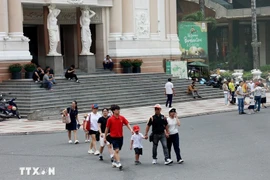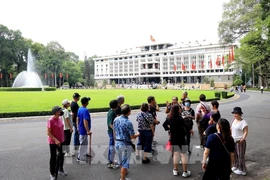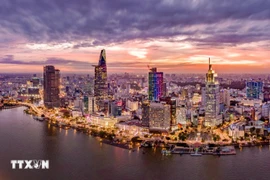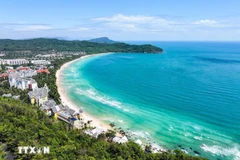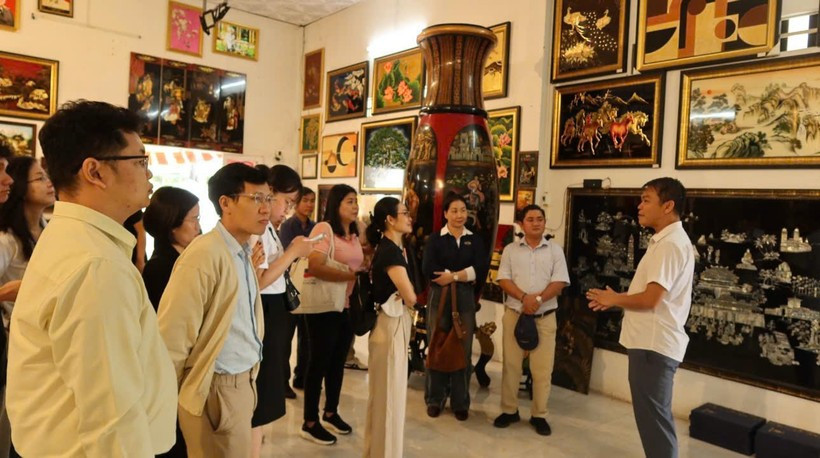
HCM City (VNA) – Ho Chi Minh City is no longer solely a single bustling urban destination. With the administrative merger of neighbouring Binh Duong and Ba Ria – Vung Tau provinces, the city is increasingly establishing itself as a regional hub that links travellers to a wider range of experiences from contemporary creative spaces and traditional crafts to unspoiled natural landscapes and cultural – historical landmarks.
Tourism planners note that this development reflects a broader trend toward sustainable travel and diversification of visitor experiences. The expanded map is expected to ease the load on Ho Chi Minh City’s traditional downtown attractions, while simultaneously channeling travellers to surrounding areas, creating a more balanced flow of visitors across the southern region.
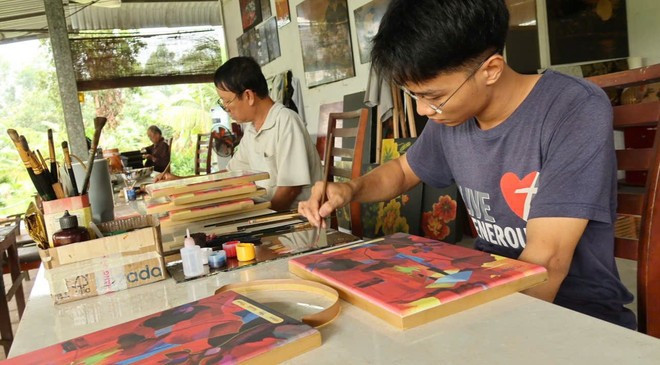
Long associated with its industrial parks, Binh Duong has recently gained attention for its cultural offerings. The Binh Duong School of Fine Arts and Culture, for example, provides a setting where visitors can watch painters at work, participate in workshops, and learn about local cultural traditions.
Hai Ha, a tourist from Ho Chi Minh City, described her impressions after a visit, noting the surprising mix of tradition and modern creativity in a space located so close to the metropolis.
Such experiences, observers say, help reshape perceptions of Binh Duong from an industrial hub into a destination of cultural engagement.
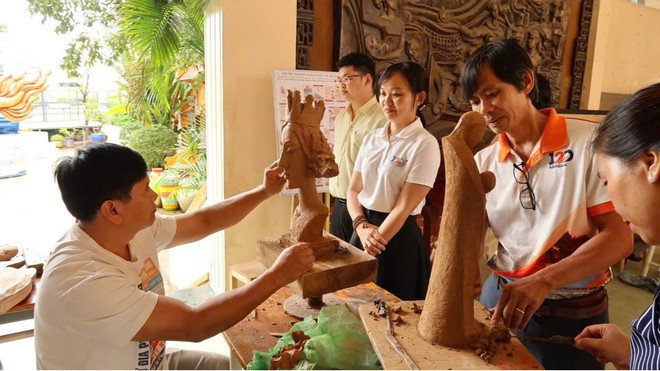
Visitors experience ceramic statue making at the Binh Duong School of Fine Arts and Culture. (Photo: VietnamPlus)
Alongside its arts scene, Binh Duong also offers direct encounters with traditional crafts. At the Dinh Hoa lacquerware workshop, tourists are able to examine the intricate details of lacquer products and follow the manual processes behind their creation.
Local pottery workshops add to the experience, allowing visitors to see firsthand the skills of artisans whose work represents generations of cultural heritage. Tourism specialists suggest that these activities not only add value to sightseeing but also deepen travellers’ appreciation of craftsmanship and labour.
From Binh Duong, the route extends to Ba Ria – Vung Tau, where both natural landscapes and cultural – historical attractions draw visitors. The Binh Chau – Phuoc Buu Nature Reserve offers lush green spaces and a chance to explore mangrove ecosystems. For those interested in history, the Loc An site, associated with the legendary “no-number” ships of wartime supply missions, provides a direct link to Vietnam’s past.
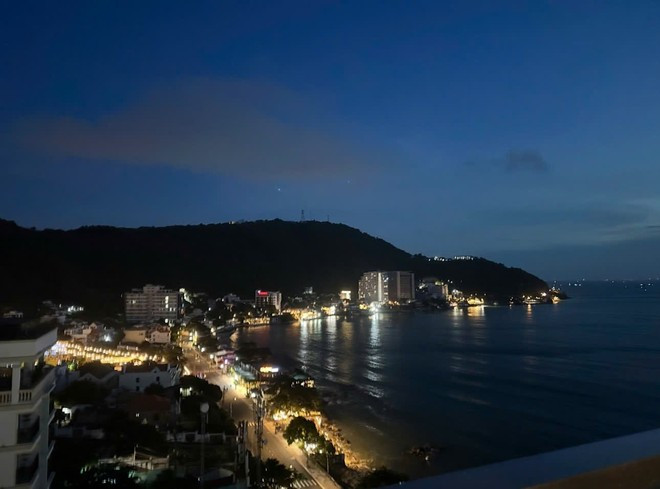
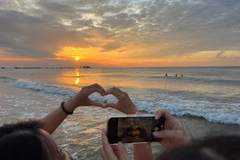
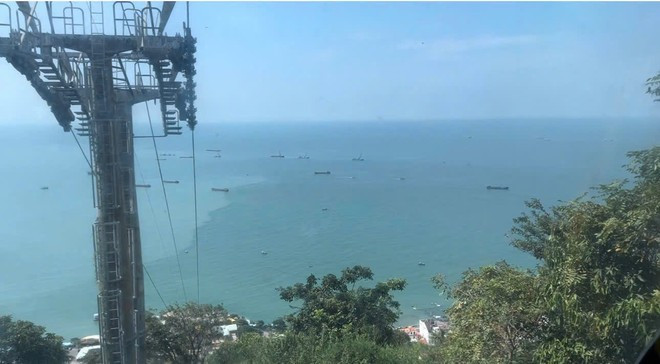
Ba Ria – Vung Tau’s coastal areas also present varied experiences. Phuoc Hai beach has become known for its weekly kite festival, where colorful displays attract families and younger tourists. Meanwhile, Dinh Co Temple continues to serve as a spiritual landmark, allowing travellers to enjoy a tranquil setting.
Luxury resorts and accommodations along the coast complement these attractions, making Vung Tau a destination capable of satisfying both adventure seekers and visitors in search of rest and relaxation.
Another distinctive feature of Ba Ria – Vung Tau is the training centre of the Vietnam Helicopter Corporation, where visitors can gain insights into aviation and observe pilot training—an unusual offering in the country’s tourism landscape.
Industry representatives emphasise that the success of this expanded tourism map will depend not only on attractions but also on services tailored to specific groups.
Le Hong Tu, General Director of BT Tour, said Mandarin-speaking travellers remain highly interested in Vung Tau. He argued that increasing the number of sites catering to their interests, as well as ensuring staff with Chinese language skills, is crucial for retaining this market. Large-scale events such as beach volleyball and surfing competitions, he added, could further extend visitor stays.
Observers suggest that the combination of Ho Chi Minh City’s urban vibrancy, Binh Duong’s creative and cultural experiences, and Vung Tau’s blend of natural beauty and historical depth has resulted in a more complete tourism offering. This approach, they argue, not only diversifies visitor choices but also strengthens the economic impact of tourism.
Analysts point out that the new tourism map embodies a strategic shift, positioning Ho Chi Minh City as a gateway that connects domestic and international travellers with the wider southern region. In this role, the city functions as both a starting point and a promotional platform, spreading awareness of nearby destinations and their unique value.
By integrating green spaces, cultural traditions, modern creativity, and historical heritage into a single journey, the approach is believed to contribute to sustainable development while enhancing the appeal of Vietnam’s tourism. The long-term vision is to create a diverse and vibrant tourism landscape that not only serves the city but also uplifts surrounding localities.
In this way, Ho Chi Minh City’s reach now extends well beyond its urban core toward a broader canvas of experiences that reflect the richness of southern Vietnam./.