Jakarta (VNA) - The Indonesian Ministry of Primary and Secondary Education has allocated an undergraduate (S1) scholarship programme for 150,000 teachers in 2026 to improve the quality and professionalism, especially early childhood, elementary, and junior high school teachers.
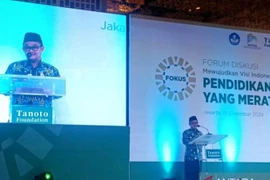
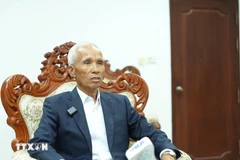
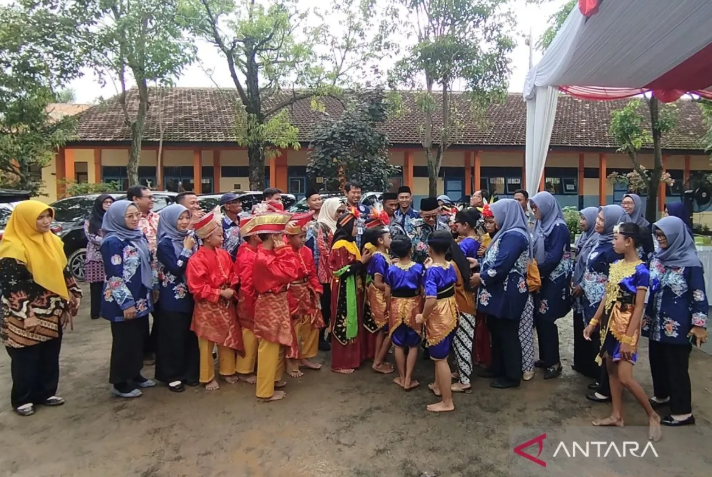
The number of scholarships had increased significantly compared to the previous year, Primary and Secondary Education Minister Abdul Mu’ti said after inaugurating public elementary school SDN 2 Wonorejo on January 3, as cited by the Indonesian news agency Antara.
“Last year, scholarships were allocated for 12,500 teachers who had not yet earned a bachelor’s degree. This year, we have prepared scholarships for 150,000 teachers.”
Mu’ti explained that the scholarships will use the Recognition of Prior Learning (RPL) scheme, under which teachers’ teaching experience is recognised as academic credits.
“With the RPL scheme, teaching experience is calculated and recognised by universities, so the S1 programme can be completed in about one year,” he said.
Each scholarship is valued at 3 million IDR (180 USD) per semester and will be transferred directly to government-appointed higher education institutions.
After completing their studies, teachers will be able to continue to the Teacher Professional Education (PPG) programme to obtain teaching certification. With the certification, teachers will be eligible to receive professional allowances, which will directly improve their welfare.
The ministry is also targeting the revitalisation of 71,000 schools across Indonesia in 2026 as part of the government’s continued efforts to improve the quality of national education.
In the 2026 State Budget, more than 14 trillion IDR has been allocated for 11,000 schools. However, after discussions, the president promised to increase the number to 60,000 additional schools this year, Abdul Mu'ti said./.
Indonesia emphasises supportive role of AI in education
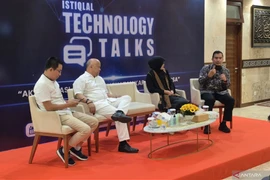
According to head of the ministry’s Centre for Data and Information Technology, Yudhistira Nugraha, in the context of education, AI is not built to replace teachers, but rather to support them. To effectively utilise AI in teaching, teachers need to master several stages.