Jakarta (VNA) – Nearly 400 trillion IDR (24 billion USD) in bank loans and financing could be affected by recent floods in parts of Sumatra, according to the Financial Services Authority (OJK) of Indonesia.
The warning came amid growing signs that natural disaster risks are increasingly evolving into systemic financial risks.
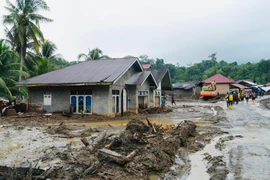
Addressing the opening of the Indonesia Stock Exchange’s first trading session of 2026 in Jakarta, OJK Chairman Mahendra Siregar said more than 105,000 borrowers in Aceh, North Sumatra and West Sumatra provinces have been impacted by severe flooding, much of it linked to extreme weather events.
He noted that the exposure spans lending by banks, guarantee companies, finance firms and multifinance providers. This increases the risk of a buildup of non-performing loans, weakens asset quality, and puts pressure on liquidity if natural disasters are prolonged or recur.
Amid climate change making natural disasters increasingly unpredictable, shocks such as flooding can quickly escalate into financial shocks, particularly in areas with high credit concentration and large numbers of borrowing households and small businesses.
In response to this risk, OJK also unveiled a three-year regulatory relief programme that will remain in place until December 9, 2028.
Under the policy, restructured loans will continue to be classified as performing, regardless of whether the restructuring occurred before or after borrowers were affected by the floods. The measures apply across all business segments, from micro, small and medium enterprises to large corporates, aiming to prevent a sharp surge in non-performing loans, sustain credit flows, and avert a financial freeze in disaster-hit areas.
OJK also said banks may extend new loans to affected borrowers without assessing a borrower’s overall credit exposure across facilities. In such cases, a borrower’s existing loan classification may be excluded from assessments for new financing.
Beyond banking, the regulator has urged insurance companies to map affected policies, simplify claims processes, and take other steps to ease the burden on disaster-hit customers.
Mahendra said the three-year timeframe was “realistic” to fully implement and activate the relief measures, adding that the regulator had drawn lessons from its response to the COVID-19 pandemic.
Under the revised regulation, the process can move faster with more precise calculations while remaining prudent and accountable, he added./.
Indonesia deploys additional 1,500 personnel for post-flood recovery
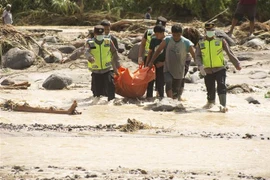
Deputy Police Chief Commissioner General Dedi Prasetyo said units stationed in affected areas have been working non-stop since the disaster struck on November 25. The reinforcements aim to maintain the effectiveness of rescue operations and post-disaster recovery.