Jakarta (VNA) – Indonesia is now in the “demographic dividend” period, but its younger generation is also facing considerable employment challenges.
With an annual growth rate of about 1.11%, the country's population is estimated at 284.4 million in 2025, according to Statistics Indonesia (BPS).
During the “demographic dividend” period from 2020 to 2030, Generation Z (those born between 1997 and 2012) has emerged as the largest population group, accounting for nearly 28% of the total, or around 75 million people.
However, the demographic dividend not only offers opportunities but also poses a problem if not utilised well to boost economic growth and welfare in the country.
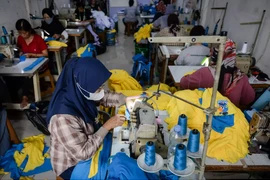
The data also highlights significant challenges, with nearly 10 million members of Gen Z classified as NEET (Not in Education, Employment, or Training) as of 2023. This figure is predominantly made up of women and underscores ongoing issues with youth unemployment and the skills gap.
In early 2025, the #KaburAjaDulu hashtag, which translates to "Just Escape for Now", went viral among young Indonesians on X (formerly Twitter), being a collective call to leave the country in search of better opportunities abroad.
Beyond an increasingly competitive job market, the younger generation must now also navigate the challenges posed by the rapid rise of artificial intelligence (AI). According to the World Economic Forum (WEF) report, around 23% of jobs will shift as a result of wider AI implementation in the workplace.
To respond to the current challenges, the Indonesian government has initiated a programme for the younger generation, namely the National Internship programme, inaugurated in 2025. The Ministry of Manpower has reported that the programme achieved its target of 100,000 participants in 2025 and is projected to continue in 2026 with the same number of participants, particularly fresh graduates.
Director of Public Policy at the Centre of Economic and Law Studies (CELIOS) Media Wahyudi Askar assessed that the National Internship programme can accelerate the transition towards better access to formal employment./.