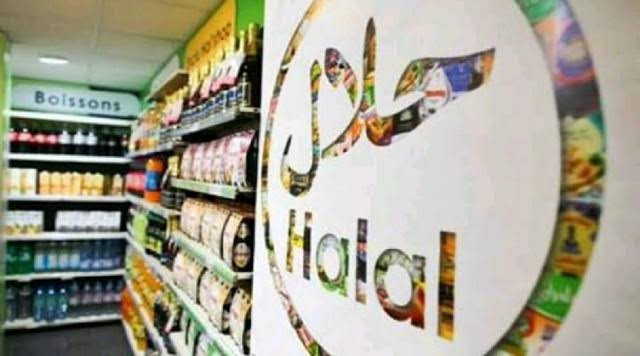
Jakarta (VNA) - Strengthening the national halal ecosystem will enable Indonesia not only to serve as a consumer market but also to become an important player in the global halal supply chain, according to Ahmad Haikal Hasan, head of the Halal Product Assurance Agency (BPJPH).
He stressed that halal is no longer viewed solely through the lens of religious compliance. Instead, it has become an international benchmark influencing global trade, consumer choices, and product standards. Halal is an economic growth engine, and the world is now utilising halal products to achieve its growth targets, he said.
Haikal noted that the global halal industry continues to grow rapidly, expanding from food products to sectors such as fashion, cosmetics, pharmaceuticals, logistics, and tourism. Rising consumer awareness and the global rise of the halal lifestyle are driving demand for certified products.
To boost competitiveness, Haikal called on the Indonesian Chamber of Commerce and Industry (Kadin) and the broader business community to support government efforts, particularly in accelerating MSME halal certification and improving product quality.
He also emphasised the need for collaboration across government agencies, businesses, academia, and research institutions to maintain Indonesia’s edge in the halal economy. Haikal reiterated the importance of clear labeling, stating that halal-certified products must display halal labels, while non-halal items must include a non-halal statement. This transparency, he said, protects consumers and supports businesses that follow regulations. The halal economy can only grow if certainty, trust, and consumer protection go hand in hand, he said./.