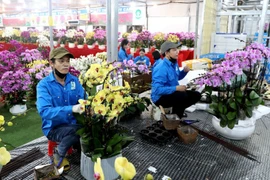
Hanoi (VNA) – Displaying flowers during the Lunar New Year (Tet) has long been a cherished cultural tradition of the Vietnamese people, symbolising harmony between humans and nature at the sacred moment of transition into a new year.
In Vietnamese cultural life, flowers and ornamental plants are not merely decorative elements that brighten living spaces. They also carry profound spiritual meaning, including feng shui, reflecting hopes for renewal, prosperity and family well-being. Each branch and each pot chosen in early spring conveys wishes for peace, good health, smooth careers and abundance.
Over generations, flower appreciation during Tet has become an enduring cultural beauty. A vase of fresh blooms or a pot of greenery in the first days of the year not only enhances the home but also gently reminds people to slow down, embrace kindness and treasure lasting values.
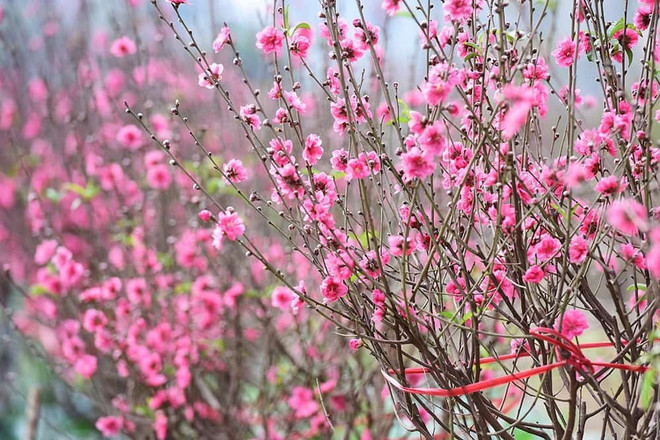
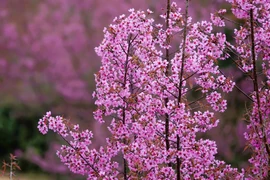
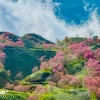
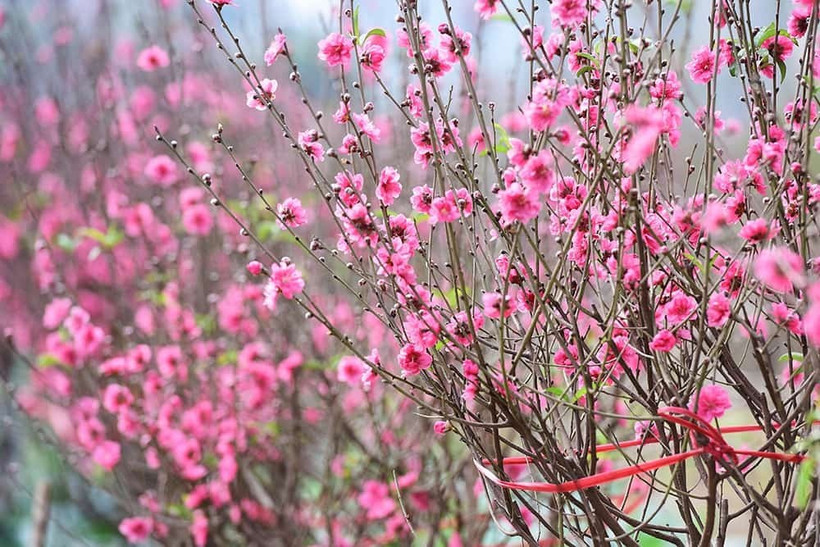
In northern Vietnam, peach blossoms are regarded as the soul of Tet. Their soft pink hue symbolises vitality, the revival of all living things and fresh beginnings after winter. Folk beliefs hold that peach blossoms ward off evil spirits and bring peace to households. A branch blooming right on Tet is considered a sign of favourable weather and good fortune.
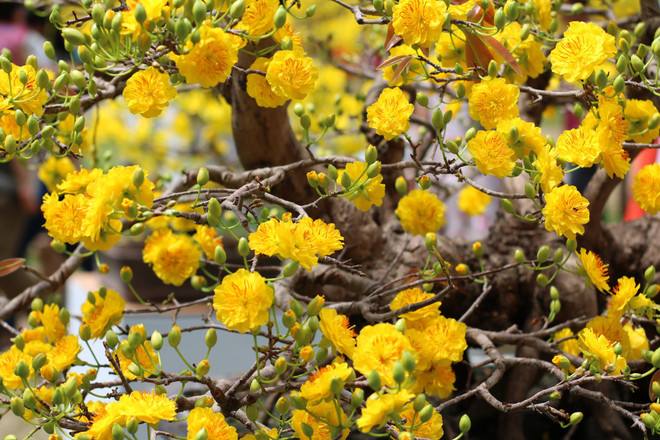
In the South, yellow apricot blossoms take centre stage. Their radiant colour represents wealth, prosperity and success. A tree blooming in the early days of the year is viewed as an auspicious sign for business and family life. Traditionally, a five-petal apricot flower symbolises five blessings: happiness, wealth, longevity, health and peace.
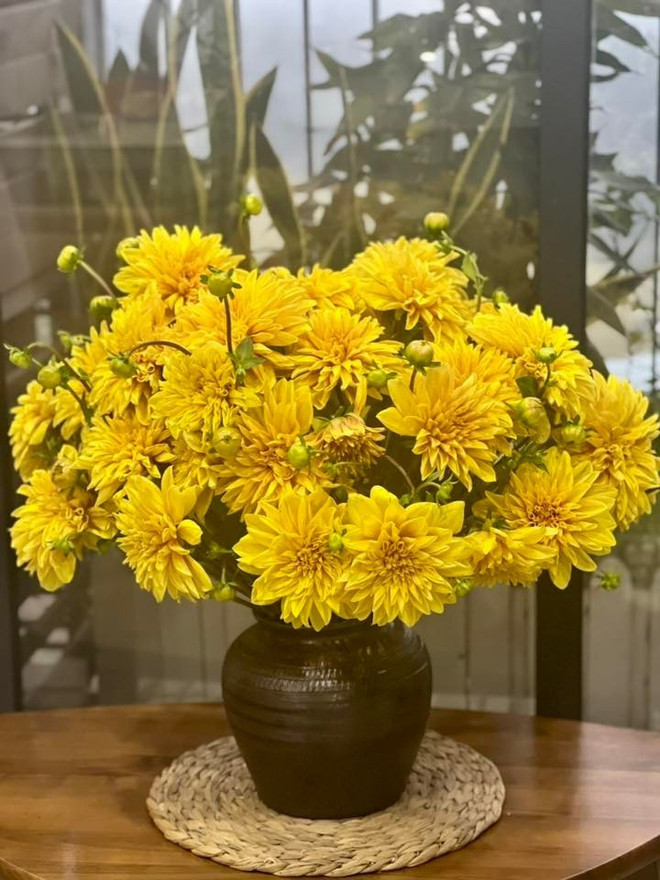
Chrysanthemums are another familiar presence on Tet altars and in living rooms. With their simple yet enduring beauty, they symbolise longevity, blessings and filial piety. Yellow chrysanthemums are often chosen for ancestral altars, expressing hopes for stability and family harmony.
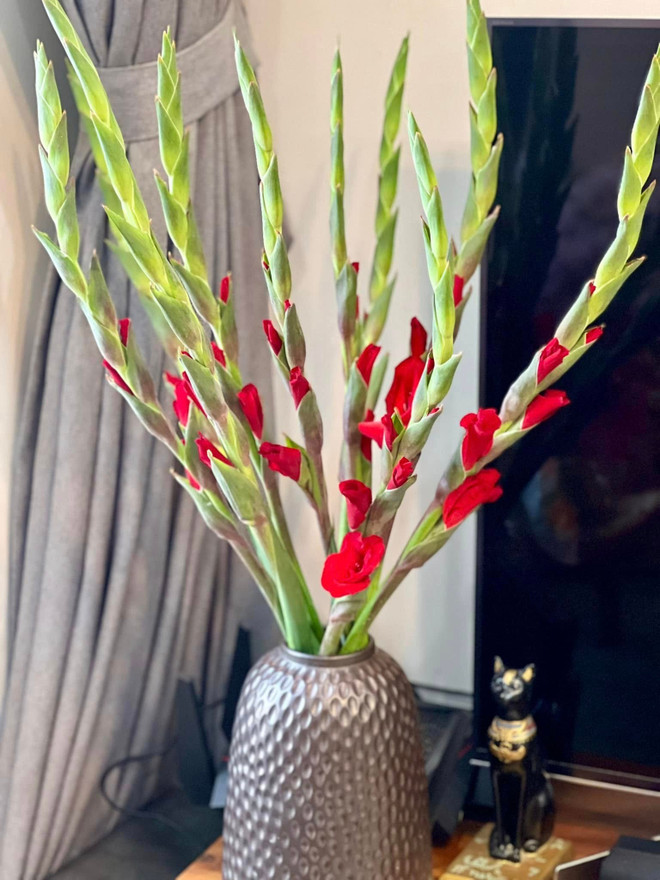
Gladiolus are popular for their tall, upright stems and sequential blossoms, representing integrity and steady advancement. Many families arrange long-stemmed gladiolus in large vases to last through the first lunar month, reflecting aspirations for career progress and warm relationships.
Gerberas, whose Vietnamese name literally means “money flower,” are associated with fortune and joy. Available in bright shades of red, pink, orange and yellow, they create a lively atmosphere and are believed to attract prosperity and positive energy.
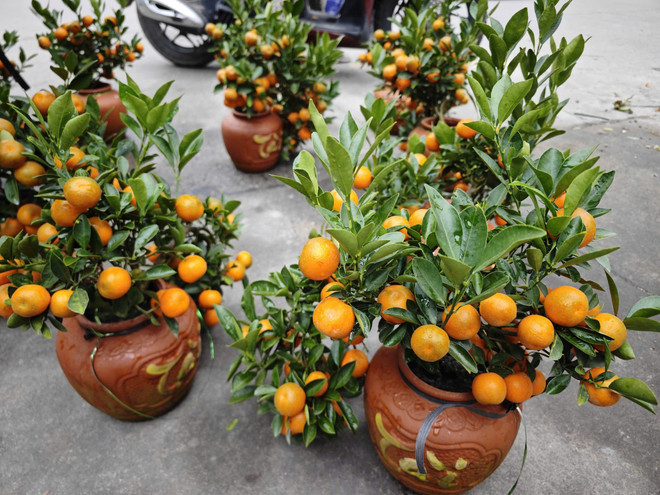
Kumquat trees are particularly popular in the North. A beautiful kumquat tree typically bears green leaves, white blossoms and golden fruits at once, symbolising fullness and continuity. Trees laden with both ripe and green fruits reflect harmony between past, present and future.
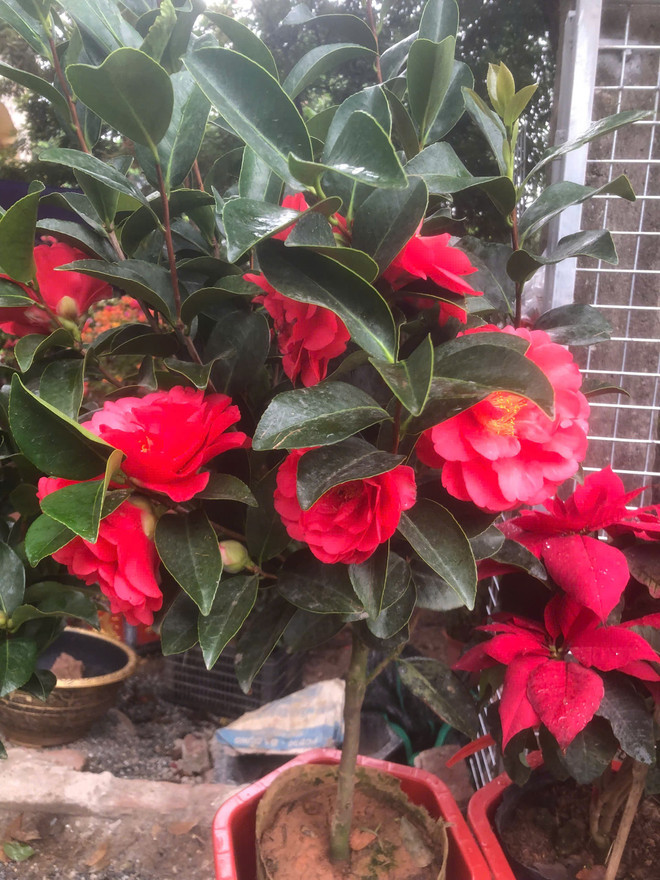
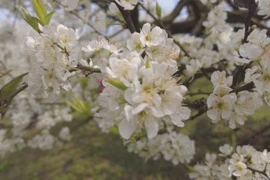
Other flowers also carry distinctive meanings. Camellias embody patience and elegance, roses symbolise affection and family bonds, while orchids are seen as emblems of sophistication and long-lasting vitality. Daffodils, especially cherished in Hanoi, are believed to bring good fortune if they bloom on New Year’s Eve.
Across regions, from traditional markets to modern urban homes, the custom of playing with flowers during Tet continues to flourish. Beyond aesthetics, these blossoms embody the Vietnamese spirit of optimism and gratitude. In every petal and fragrance, there lies a heartfelt wish: that the coming year be filled with peace, prosperity, and harmony./.