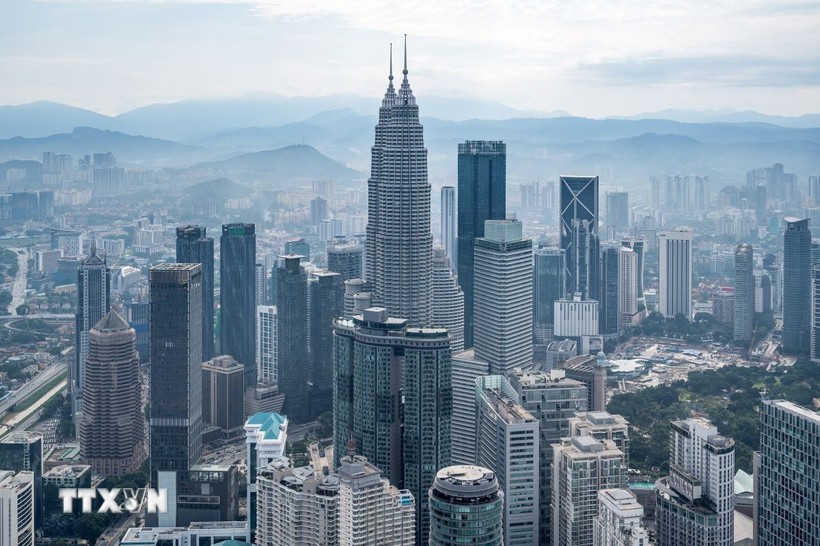
Kuala Lumpur (VNA) – Malaysia’s economy remains resilient thanks to its long-term and comprehensive economic strategy, despite geopolitical tensions in the Middle East that have raised concerns about the possible closure of the Strait of Hormuz and disruption to global energy supplies, according to the Ministry of Trade, Investment and Industry (MITI).
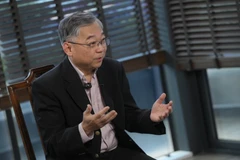
Malaysia’s consistent approach of diversifying into new markets has allowed the country to stay competitive and resilient against external pressures, Director of the ministry's bilateral economic and trade relations division Raveendran Nair said at Universiti Kebangsaan Malaysia forum Bicara Persada, themed “Iran – Israel War: Implications for Malaysia and the New World Order”.
He said Malaysia has faced many major challenges – from the Asian financial crisis to the US financial crisis, and then the COVID-19 pandemic. During the COVID-19 era, it faced an unprecedented and extraordinary situation. However, the Southeast Asian nation managed to recover in this post-pandemic era.
He went on to say that challenges such as the reciprocal tariffs imposed by the US do not pose a significant threat to the Malaysian economy as the impact is also felt by other countries.
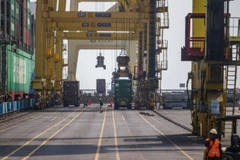
On trade relations with the US, he noted that trade between the two countries only accounts for about 13% of Malaysia’s total trade, with the rest involving a variety of markets around the world.
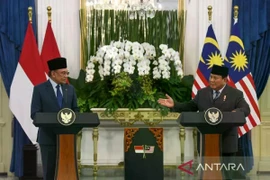
“Our strategy is not to depend on a single country. That’s why we continue to diversify our markets. As seen recently, Prime Minister (Datuk Seri Anwar Ibrahim) has frequently travelled abroad with MITI officials to conduct business programmes, meet local industry leaders, and identify potential investors to bring into Malaysia,” Raveendran was quoted by Bernama as saying.
As part of efforts to increase trade connectivity, Malaysia is actively signing free trade agreements (FTAs) to open up opportunities for national exports.
For instance, the country recently signed an agreement with the European Free Trade Association, which involves Iceland, Liechtenstein, Norway, and Switzerland, he stated.
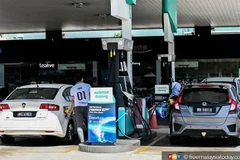
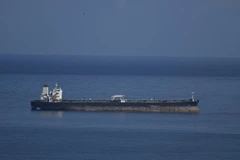
On tensions in the Strait of Hormuz, Raveendran said the situation could potentially impact the global energy supply chain but Malaysia remains focused on strengthening its economic resilience through diverse trade networks and strong internal preparedness. He also said no country can survive on its own without a stable supply network in an interconnected global economic landscape.
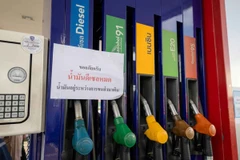
The Strait of Hormuz issue has attracted attention following the heightened Iran – Israel conflict, which also pushed oil prices above 89 USD per barrel, an increase of more than 25% since April./.