Jakarta (VNA) – Indonesia’s Centre of Reform on Economics (CORE) estimated that the cost of restoring physical infrastructure across three disaster-hit provinces in Sumatra will exceed 77 trillion IDR (4.6 billion USD), significantly higher than the government’s current allocation.
In a study titled “The Economic Consequences Behind Sumatra’s Grief,” CORE said the estimate was based on data on physical infrastructure damage reported by the National Disaster Mitigation Agency (BNPB) as of December 15.
This estimate is far above the 60 trillion IDR prepared by the central government to support recovery efforts in Aceh, North Sumatra, and West Sumatra, it stated in a statement.
CORE noted that the 77 trillion IDR figure covers only physical reconstruction and does not include non-physical losses stemming from reduced labour productivity and disrupted economic activity during and after the disaster. These include interruptions to traditional and modern retail trade, halted production in small and medium-sized industries, deteriorating health conditions among the active workforce, increased psychological trauma, and rising stress levels caused by prolonged economic pressure.
According to CORE, the cost of addressing these non-physical impacts could be no less significant than the cost of rebuilding damaged infrastructure.
Households and children are also expected to bear substantial non-physical recovery costs. With a large number of children living in the affected provinces, significant resources will be required to address learning gaps caused by school disruptions.
CORE warned that inadequate infrastructure repairs, limited support for deploying teachers and health workers, and a shortage of volunteers could hamper trauma-recovery efforts for children and adolescents.
The research firm said this situation has the potential to affect the cognitive development of children in the affected areas in the coming years.
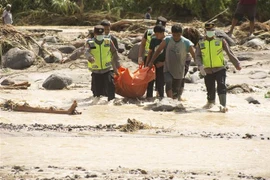
Government data show that floods and landslides that struck parts of Sumatra for several weeks starting in late November have claimed more than 1,100 lives and caused widespread damage to roads, bridges, and public facilities, including schools and hospitals./.