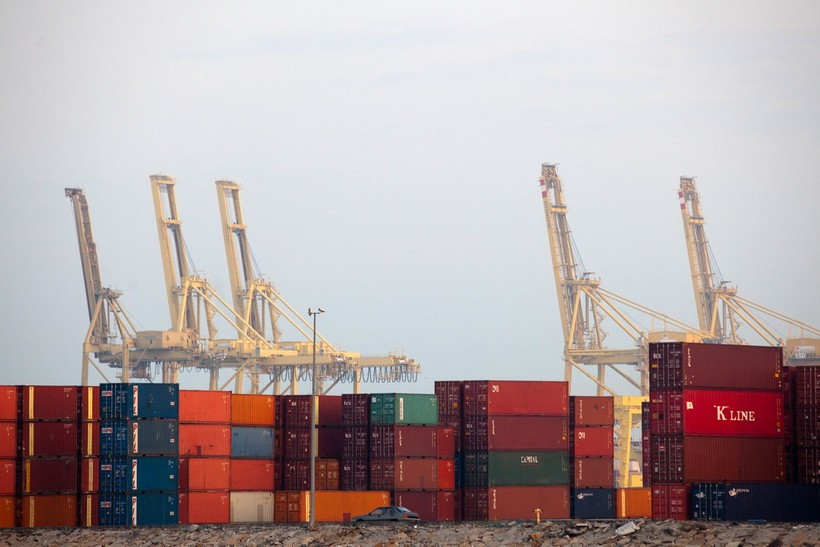
Kuala Lumpur (VNA) – Despite Malaysia’s trade growth in October 2025 surpassing expectations, with both exports and imports reaching record levels, economists warned that the country’s export expansion may slow in 2026.
Lavanya Venkateswaran, a senior ASEAN economist at OCBC Bank, said the latest figures exceeded expectations, reflecting strong recoveries in energy and electricity demand as well as robust regional trade flows.
However, she noted that export growth is expected to moderate next year, as the electronics and electrical (E&E) sector depends on the global semiconductor upcycle. Meanwhile, slower economic growth in Malaysia’s major trading partners, including China, Japan, and the European Union, could weaken external demand in 2026.
On geopolitical risks, Lavanya highlighted that tariff changes, escalating US-China tensions, and sharper-than-expected slowdowns in major economies remain key threats that could derail Malaysia’s trade momentum.
Despite these risks, she emphasised Malaysia’s long history of consistent trade surpluses, having maintained almost continuous monthly surpluses since November 1997, which underscores the country’s structural competitiveness.
Chief economist at Bank Muamalat Malaysia Dr. Mohd Afzanizam said the data indicate that Malaysia is maintaining a respectable pace, supported not only by strong exports but also by a significant increase in capital goods imports.
He cautioned that the worst-case scenario would be a sharp decline in US demand, noting that domestic political and judicial opposition to tariffs, as well as their inflationary impact on American consumers, could limit the scale or duration of such measures.
Compared with other ASEAN countries, he said, Malaysia’s performance remains impressive, particularly in high-value semiconductor activities. Other sectors, including agriculture, food, chemicals, and certain machinery and equipment, continue to record trade deficits, which may signal a need for greater attention and investment to improve scalability and productivity.
Economist Geoffrey Williams noted Malaysia’s trade resilience has exceeded expectations despite tariff volatility, contrary to the conventional view that tariffs would be damaging. He emphasised that domestic policy responses are critical, and continuing efforts to diversify trade, reduce barriers, and promote competitiveness are essential.
Williams added that although the trade surplus had narrowed between August 2023 and mid-2025, it has begun to recover. Sustaining this trend will be crucial for trade to meaningfully support growth and reduce reliance on domestic demand./.