Hanoi (VNA) – Despite global uncertainty and economic headwinds, Vietnam continues to stand out as one of the region’s bright spots, with strong recovery, stable macroeconomic fundamentals, and growing market confidence.
According to Director of the National Statistics Office (NSO) under the Ministry of Finance Nguyen Thi Huong, data from the first nine months of 2025 show that Vietnam’s economy is well-positioned to achieve its ambitious GDP growth target of 8.3–8.5%, as outlined in Government Resolution No. 226/NQ-CP.
Strengthening confidence in the growth target
Huong noted that key economic indicators in the first nine months demonstrate a robust and broad-based recovery, reinforcing confidence that Vietnam can achieve growth above 8%.
GDP growth in the first nine months is estimated at around 7.85%, which is very close to the full-year target. The main driver came from the industrial and construction sector, which grew 8.69% and contributed more than 43% to total added value,” she said.

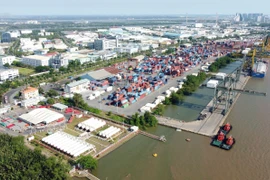
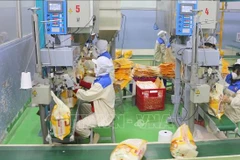
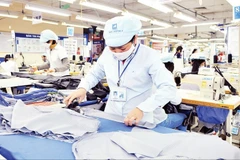
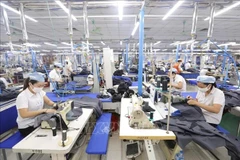
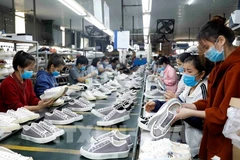
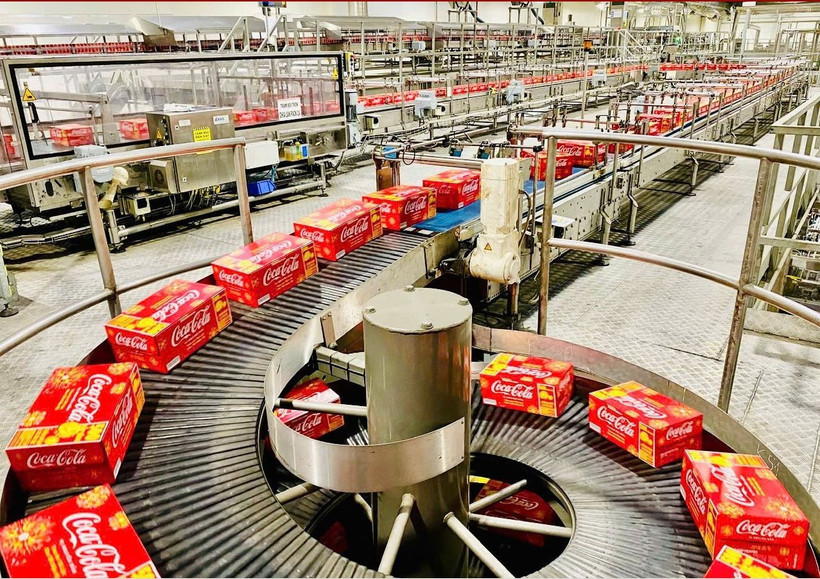
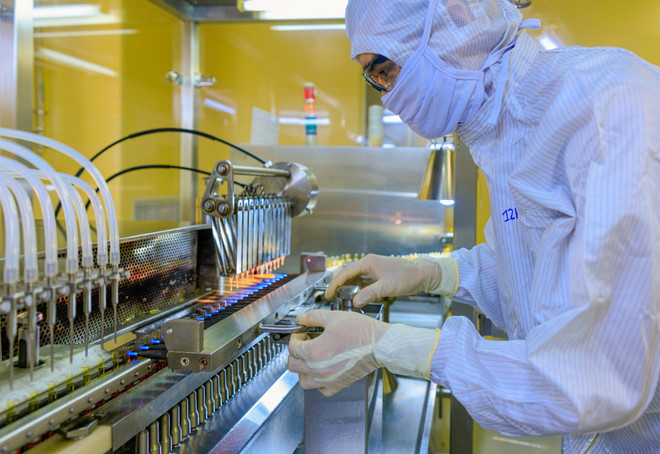
The manufacturing and processing industry remained the “locomotive” of the economy, expanding by 9.92% and contributing over 31% to overall growth thanks to improving export orders and expanded production in electronics, textiles, machinery, and equipment.
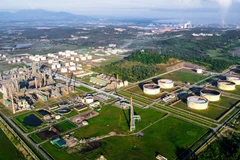
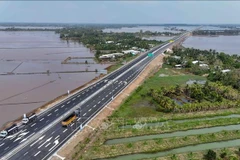
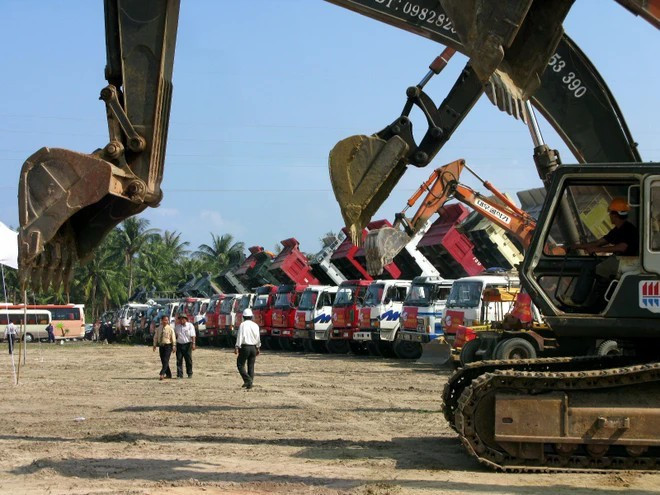
Meanwhile, the mining sector rebounded by 7.78% in the third quarter after two years of contraction, while construction also recovered strongly, driven by public investment and a series of major infrastructure projects.
Inflation remained under control, creating favourable conditions for policy management. The Consumer Price Index (CPI) rose 3.27% in the first nine months, while core inflation stood at 3.19%, lower than in many regional economies.
On the fiscal and monetary front, State budget revenue reached 97.9% of the annual target, up 30.5% year on year, credit growth reached 13.37% as of September 29, with 78% of outstanding loans channelled to production and business activities.
“Policy management is on the right track, supporting growth while ensuring macro stability,” Huong emphasised.
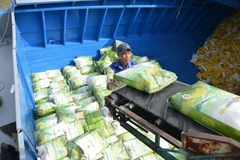
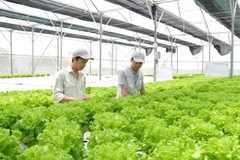
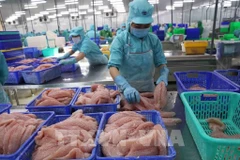
Agriculture continued to serve as a key stabiliser, with solid growth in industrial crops, poultry, aquaculture, and exports of coffee, cashew, and pepper.
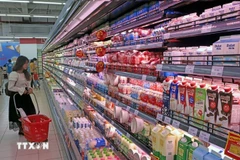
Services, trade, and tourism also surged on strong domestic consumption and rising international arrivals. In localities such as Ho Chi Minh City, Da Nang, Khanh Hoa, and Hue, tourism has become a key driver of regional GRDP growth.
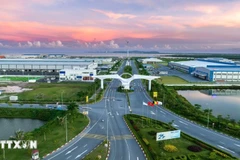
Foreign direct investment (FDI) inflows remained robust, with many large projects expanding capital, reflecting international investor confidence in Vietnam’s long-term prospects and its role in global supply chains.
External and domestic risks remain
However, she cautioned that the “bright picture” of Vietnam’s economy still has areas of concern.
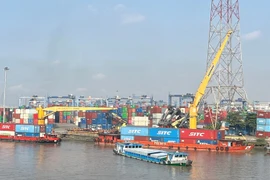
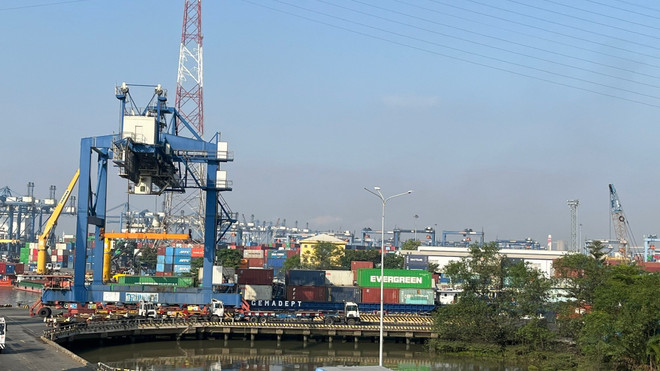
Externally, trade protectionism and US tariff policies pose major risks to exports, particularly in key sectors such as textiles, wood products, and electronics.
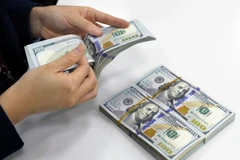
The global economic slowdown, weak consumer recovery, and stricter green standards are also weighing on trade, while volatility in oil prices, strategic materials, exchange rates, and gold prices raised production costs and foreign payment pressures.
Geopolitical tensions and climate change continue to heighten risks, especially for export sectors dependent on global supply chains.
Domestically, although public investment disbursement has improved, it needs to accelerate further in the final quarter.
“The capital absorption capacity of enterprises remains limited, with many small and medium-sized businesses still struggling with market access and finance,” Huong said.
While the real estate market shows signs of recovery, legal bottlenecks and limited access to credit remain key barriers. Import costs and exchange rate fluctuations also continue to affect domestic prices, cautioning firms on expansion plans.
Huong also warned that natural disasters and extreme weather, as consequences of climate change, could have adverse impacts on production, infrastructure, and livelihoods if not addressed through timely response and fiscal planning.
Six key solution groups
To achieve the 8.3–8.5% growth target in 2025, Huong outlined six priority solution groups for strong implementation in the remaining months of the year.
First, it’s neccesary to ensure major economic balances, and strengthen resilience against global shocks through flexible, well-coordinated fiscal and monetary policies.
Second, she stressed the importance of accelerating public investment disbursement, particularly for key national projects, while removing bottlenecks and prioritising high-tech, environmentally friendly projects.
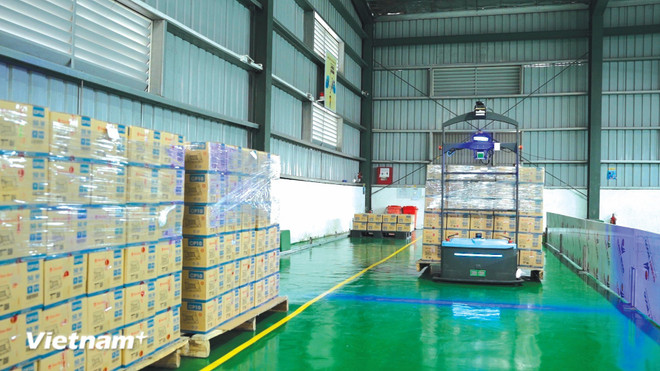
Third, enhancing productivity and product quality in industry and services through innovation, science, and technology is particularly important. Boosting e-commerce and exports is critical, as is promoting domestic consumption under the campaign “Vietnamese people prioritise using Vietnamese goods.”
")
Fourth, regarding agriculture, improvement centres on strengthening disease control, promoting bio-secure farming, and expanding value chain linkages toward sustainable agriculture.
Fifth, the tourism sector needs introduce breakthrough solutions, continuously refresh products, and tailor offerings to each market to improve the visitor experience.
Sixth, it’s necessary to ensure effective social security policies, provide timely support to people affected by disasters, and develop a high-quality workforce, particularly in emerging industries aligned with green transition and digital transformation.

Huong said macroeconomic indicators of the first nine months have laid a solid foundation for achieving growth above 8%. With the concerted effort and decisive implementation of key measures, Vietnam can overcome challenges, meet its growth target, and sustain macroeconomic stability - building a stronger platform for 2026 and beyond./.