Hanoi (VNA) – Overseas Vietnamese have contributed opinions to the draft documents for the 14th National Party Congress, stressing the need for a national strategy to preserve the Vietnamese language and promote cultural identity among more than six million Vietnamese people living abroad.
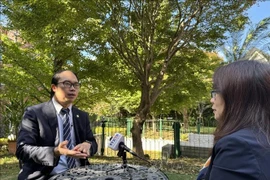
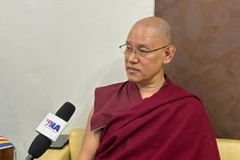
Dr. Hoang Thi Hong Ha, an ethnologist living in France and Chairwoman of the Tinh Hoa Association, who has been named a Vietnamese Language Ambassador Abroad for 2025, expressed her strong support for the principle that “culture and people are the foundation, resource and endogenous strength of the nation.”
She said this vision underscores the role of culture in the country’s sustainable development. However, turning that vision into concrete actions within the overseas Vietnamese community requires systemic and groundbreaking solutions, she noted.
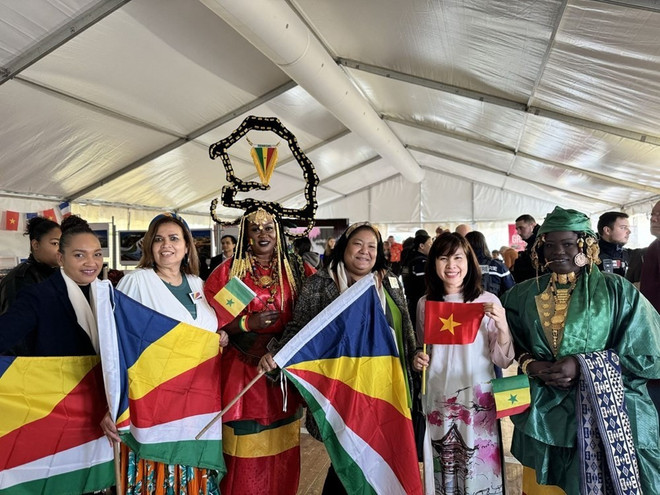
Ha added that these efforts would help put into practice the Politburo’s Conclusion No. 12-KL/TW on Vietnamese affairs abroad, especially in preserving cultural identity and spreading Vietnam’s “soft power.”
“As an ethnologist, I believe language is a means that carries culture. Investing in Vietnamese teaching and learning overseas must be viewed as a strategic mission - the very ‘roots’ of preserving national identity. We need a comprehensive national strategy, not just sporadic or movement-based activities,” she said.
Ha proposed stronger State investment, particularly in compiling modern curricula suited to young generations growing up abroad.
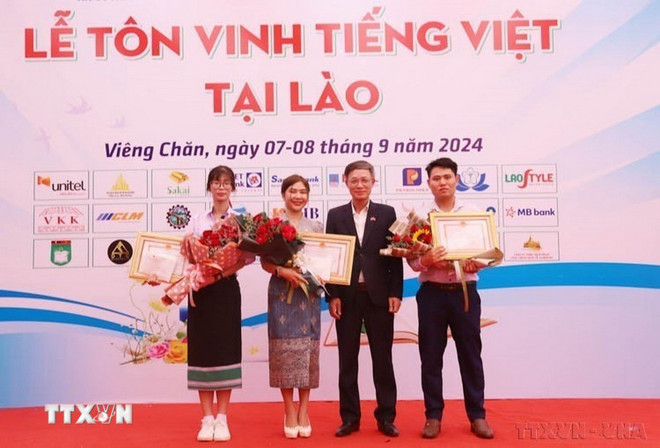
Sharing the same view, 17-year-old Le Nguyen Luu An, a Vietnamese in Malaysia, who was also named a Vietnamese Language Ambassador for 2025, stressed that preserving the Vietnamese language is the first and most crucial task, as language is the means of communication and a bridge to culture, history and homeland.
She highlighted the importance of promoting Vietnamese cuisine, music, ao dai, and traditional customs within multicultural environments - an effort in which families play a decisive role. Parents who maintain Vietnamese speaking habits and cultural practices at home create the first nurturing space for cultural identity, she said.
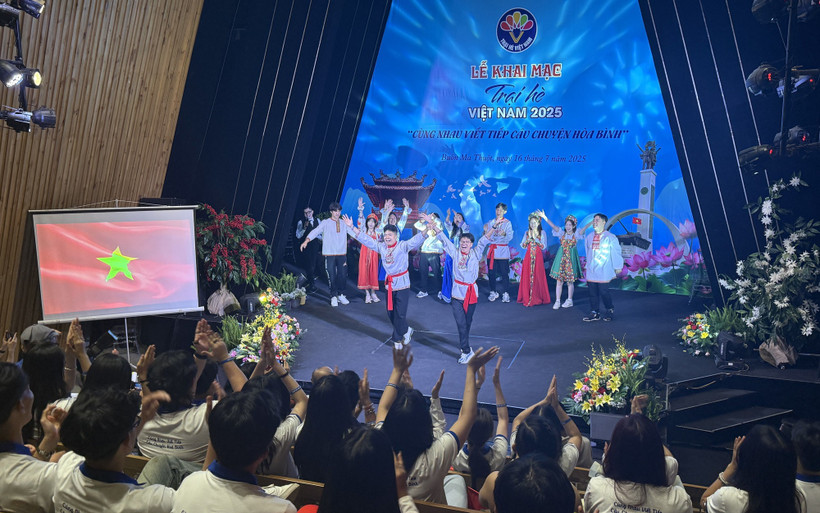
An also suggested that the State organise more festivals and events abroad to promote Vietnamese culture, and continue connecting young overseas Vietnamese through programmes such as the Vietnam Summer Camp and the Vietnamese Language Ambassador Abroad Contest.
“Preserving and promoting Vietnamese identity among overseas youth contributes to the sustainable development of both the overseas Vietnamese community and the country itself. This is in line with the draft documents’ affirmation that culture and people are foundational, endogenous forces of national development,” she said.
Digital cultural ecosystem
Alongside language preservation, Ha proposed establishing a national “digital cultural ecosystem” to strengthen solidarity and nurture national pride among overseas Vietnamese.
“A national digital library, a 3D historical museum, and an online archive of films, music and art would allow overseas youth to explore Vietnamese history and culture with just one click. This is one of many effective forms of “returning to roots’ in the digital era,” she said.
She said pride must come not only from a glorious history but also from modern achievements. For young Vietnamese abroad growing up in a competitive global environment, seeing Vietnam’s dynamism and advances in fields such as fintech, AI and digital transformation will further strengthen their connection to the homeland.
Ha also underlined culture as a form of “soft power” in people-to-people diplomacy, recommending regular support for large-scale Vietnamese Culinary Weeks and greater recognition of overseas intellectuals and entrepreneurs as key bridges in knowledge and economic diplomacy.
Close, regular coordination between Vietnamese representative missions and overseas associations is essential, she said, along with timely and accurate information sharing so that overseas experts can effectively counter misinformation and safeguard the country’s image and interests.
Journalist and writer Kieu Bich Huong, a Vietnamese expatriate in Belgium, also called for building a global Vietnamese community ecosystem - where even small community initiatives can grow into impactful, sustainable projects.
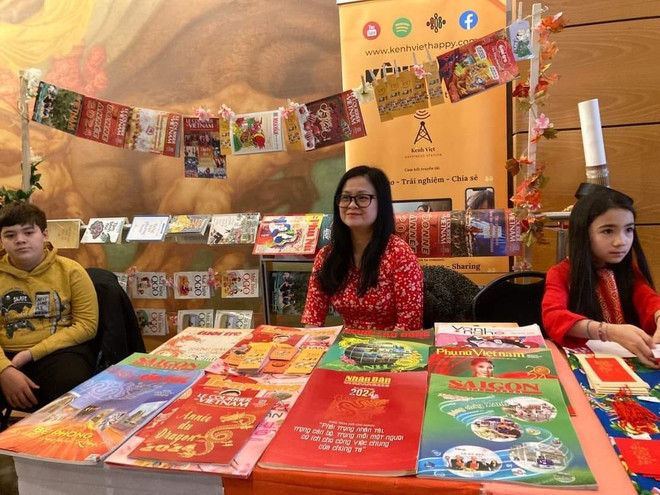
She cited examples such as the “We Love Pho (Vietnamese noodle soup)” community in Europe, overseas Vietnamese language schools and cultural centres. Though modest in scale, they are “valuable seeds that nurture love for the homeland and attachment to its roots.”
“These individuals and organisations are strategic partners in cultural diplomacy and community development. Support should go beyond funding or facilities to include strategic guidance, development consultancy, international networking and recognition of their contributions,” she said.
In cases where public funding is limited, she proposed public–private partnerships between Vietnamese enterprises at home and overseas Vietnamese to establish multifunctional cultural centres abroad. These “Vietnamese homes overseas” would teach language, host cultural exchanges, exhibitions and seminars, and offer a permanent space for promoting Vietnamese products.
When overseas initiatives receive companionship, investment and recognition, it deepens trust and strengthens the emotional bonds between overseas Vietnamese and their homeland, she said./.