Hanoi (VNA) – Culture is the soul of the nation, a red thread running through history that has shaped Vietnam’s distinctive identity and generated immense spiritual strength.
Across different historical periods, this cultural foundation has nurtured resilience and determination, strengthened national unity, and helped the country overcome challenges, safeguard independence and sovereignty, and move forward.
Culture as an endogenous driver of development
Resolution No. 80-NQ/TW of the Politburo on the development of Vietnamese culture consistently affirms the view that culture must be placed at the centre of development, serving simultaneously as the spiritual foundation of society, a development goal, and a key endogenous driver of national progress.
According to Prof. Dr. Tu Thi Loan, former acting director of the Vietnam National Institute of Culture and Arts Studies, the resolution marks a significant shift in the Party’s strategic thinking on the position and role of culture in national development. It comes at a time when Vietnam is entering a new phase that requires rapid growth alongside sustainability, while also affirming national identity and soft power amid deepening globalisation and digital transformation.
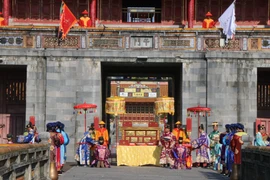
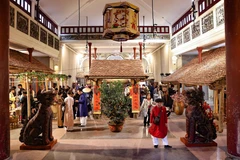
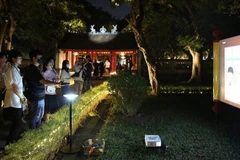
In practical terms, Vietnam’s film industry has made notable strides in recent years. Music and performing arts rooted in Vietnamese identity are also gradually asserting their place in social life and within an increasingly open cultural space. Cultural and heritage tourism in localities such as Hoi An, Hue and Ninh Binh demonstrates that, when heritage is properly preserved and promoted, culture can become a vital resource, contributing to sustainable livelihoods for local communities.
Vietnamese identity in integration and overseas communities
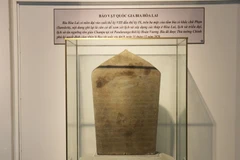
The inscription of heritage by UNESCO and related preservation by communities across the country not only enhances tourism appeal but also affirms cultural value and promotes local images on the international tourism map. As a result, cultural and community-based tourism has developed, generating economic benefits, creating jobs and raising incomes, while also fostering awareness of heritage preservation and intergenerational transmission.
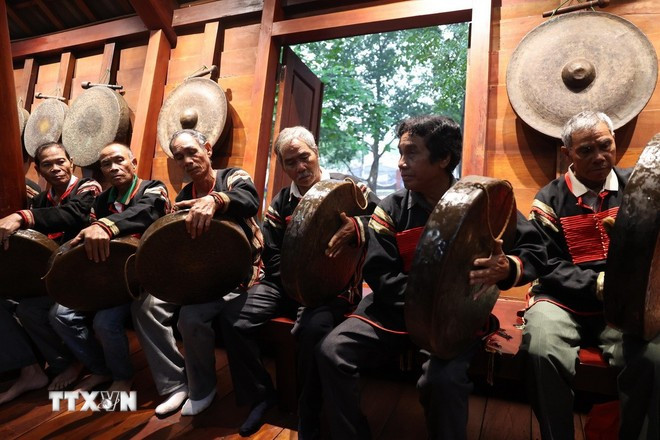
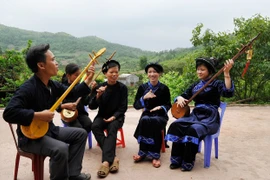
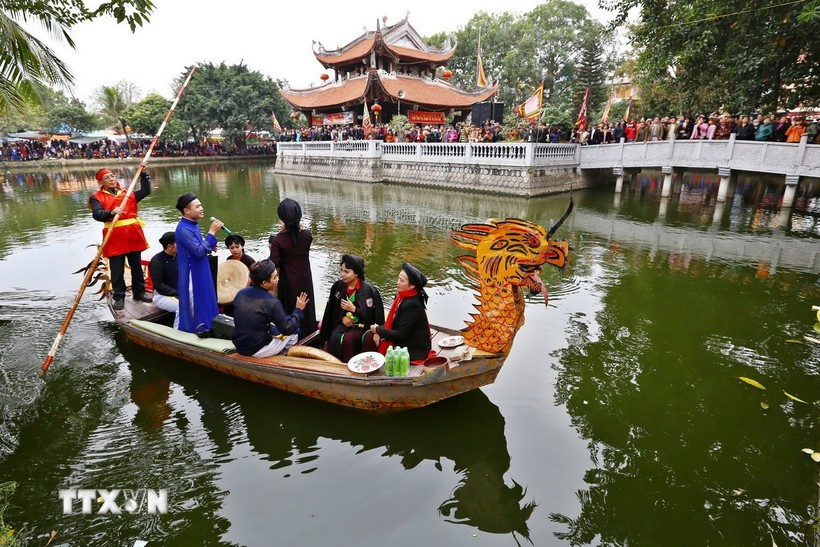
Through these impacts, Vietnam has built the image of a country rich in tradition, respectful of cultural diversity and proactive in integration, engaging in “dialogue with the world” through artistic expression and humanistic values. This forms the foundation of cultural diplomacy and soft power in the context of international integration. Vietnam’s image, associated with heritages such as Quan ho (Love duet) folk songs and the Central Highlands’ gong culture, helps build trust among tourists and investors, thereby enhancing the country’s attractiveness for investment, cooperation and sustainable development.
Hoang Van Minh, who has lived in Germany for many years, said the preservation and promotion of cultural identity help unite overseas Vietnamese communities, strengthen their ties with the homeland, and enable them to serve as natural “cultural ambassadors” for Vietnam.
According to Minh, an expatriate community that is knowledgeable about, proud of and proactive in promoting its culture can help generate positive public opinion about Vietnam, affirm the value of its heritage and inspire younger generations at home, thereby strengthening internal capacity and supporting the country’s sustainable development.
Culture in general, and cultural identity in particular, not only helps individuals define themselves within the national community, but also enables those living far from their homeland to nurture faith, aspiration and the determination to move forward./.