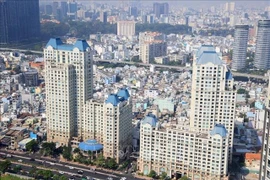
Hanoi (VNA) – Vietnam’s real estate market is poised for a clearer recovery in 2026, according to Ha Quang Hung, Deputy Director of the Department of Housing and Real Estate Market Management under the Ministry of Construction (MoC).
At the Government’s regular press briefing for February 2026 on March 4, Hung said that throughout 2025, the Prime Minister instructed ministries and agencies to remove institutional, legal and capital bottlenecks that weigh on the sector.
Significant headway has since been made in reviewing and amending legislation related to land, urban and rural planning, construction and housing. Legal frameworks governing investment and banking activities have also been revised to address persistent obstacles.
These efforts have enabled authorities to classify and resolve numerous projects previously stalled due to regulatory hurdles. Administrative procedures have been further streamlined, enhancing transparency and shortening project preparation timelines, a critical step toward restoring business confidence and stabilising the investment climate.
Building on this foundation, the MoC anticipates broader improvement across both supply and demand in 2026. A range of delayed projects are expected to resume, while the number of developments completing legal procedures and qualifying for implementation is projected to rise compared to 2025, increasing overall housing supply.
Improved access to capital and revived project pipelines are expected to ease upward price pressure, helping prevent the overheating seen in previous cycles. Buyers with genuine housing needs will likely find more options suited to their financial capacity, Hung noted.
Liquidity, meanwhile, is forecast to recover on a more sustainable footing, underpinned by real demand and longer-term investment strategies rather than speculative surges. Priority will continue to be given to segments addressing essential needs, including social housing, worker accommodation in industrial zones and affordable commercial homes.
Hung cautioned, however, that the market will remain sensitive to domestic and global macroeconomic developments, exchange rate and interest rate fluctuations, capital costs, and stricter requirements on planning, technical standards, environmental protection and sustainable urban development.
As such, policymakers will need to maintain a careful balance between stimulating growth and containing risks, avoiding a repeat of speculative spikes or localised price bubbles.
Overall, the 2026 market is expected to be more dynamic yet prudent, with apartments and housing catering to end-users continuing to anchor growth. Clearer market segmentation is also anticipated, as buyers and investors increasingly favour projects with transparent legal status, well-developed infrastructure, genuine utility value and reputable developers, reinforcing a shift toward healthier and more sustainable expansion in the next phase./.