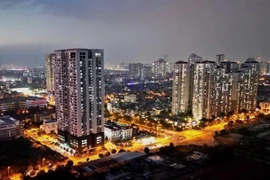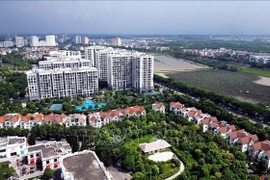
Hanoi (VNA) - After a prolonged period of stagnation, the Ministry of Construction reported that the real estate market began to “revive” in the first six months of this year, signalling the start of a new growth cycle.
Apartment prices continue to rise
At the Ministry’s mid-year review conference on July 7, the Housing and Real Estate Market Management Department reported that a total of 1,309 sites nationwide had been allocated for social housing projects, covering 9,737 hectares. Most localities have now earmarked sufficient land for this purpose.
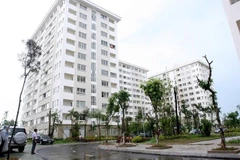
As part of the national programme to build one million social housing units, from 2021 to June 2025, 692 projects with a combined 633,559 units have been launched. Of these, 142 projects with 93,793 units have been completed; 140 projects with 126,385 units are under construction; and 410 projects with 413,381 units have received investment approval.
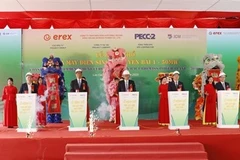
By the end of June 2025, 35,631 units had been completed out of a planned 100,275, representing an increase of nearly 13,000 units compared with May. During the same period, 27 new projects with 24,232 units broke ground, up 3,804 units from late May.
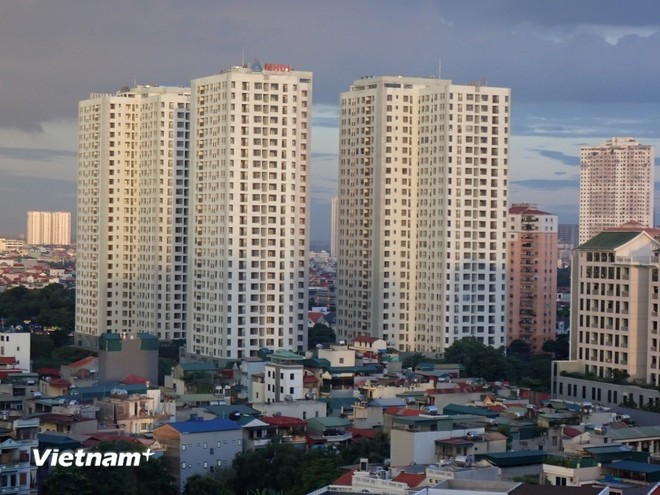
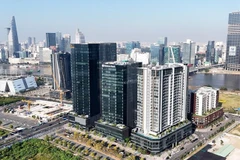
For commercial housing, 21 projects were completed, equivalent to 110.5% of the same period in 2024. Meanwhile, 32 new projects were licensed (84.2% of last year’s level), and 974 projects remain under construction.
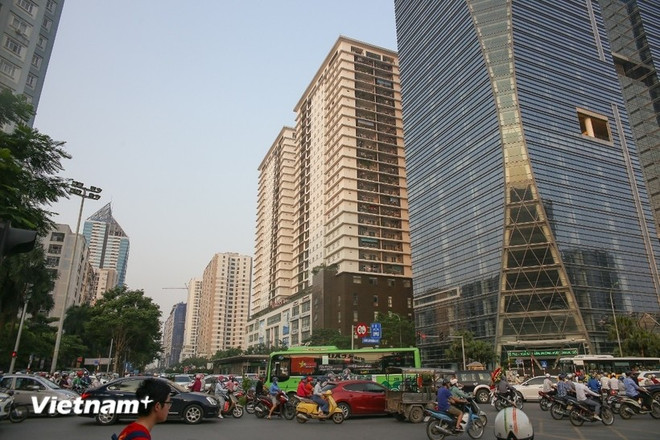
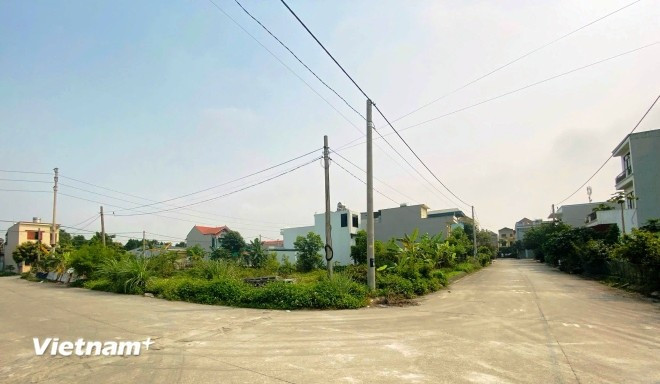
In the second quarter of 2025, average apartment prices nationwide continued to rise. Compared with the previous quarter, prices for detached houses and project-based land plots showed slight increases in most localities. However, detached housing in Ha Noi and Khanh Hoa, as well as land plots in Ha Noi, recorded marginal declines.
On the financial side, outstanding real estate loans stood at 3.73 quadrillion VND as of 30 April 2025, up 7.09% compared with the end of December 2024.
Cracking down on speculation, price manipulation, and money laundering
Looking ahead to the remainder of the year, the Ministry of Construction will continue to review and refine regulations on housing, social housing, real estate business, and urban planning, in line with the two-tier local government model. It will also direct and supervise local authorities in speeding up planning and land allocation for housing projects.
The Ministry is currently reviewing the 2023 Law on Real Estate Business to identify shortcomings and propose necessary amendments. It will also work with provinces to remove bottlenecks facing property projects, simplify overlapping administrative procedures, and reduce unnecessary barriers to project implementation.
At the same time, the Ministry is improving the national housing and real estate information system, ensuring that databases are accurate, transparent, and interconnected with other sectoral databases. It is also coordinating with other ministries to finalise a pilot scheme for State-managed Real Estate and Land Use Rights Trading Centres.
According to leaders of the Housing and Real Estate Market Management Department, stricter enforcement will also be a priority. Authorities will resolutely crack down on speculative practices, price manipulation, and the spread of misleading information designed to create artificial “fevers” and defraud buyers. Anti-money laundering measures in the real estate sector will be strengthened, including national risk assessments, updated risk reviews, and closer monitoring of suspicious transactions.
Through these measures, the Ministry of Construction aims to ensure that the real estate market not only sustains its current recovery but also develops on a more stable, transparent, and sustainable basis in the years ahead./.