HCM City (VNA) - Japan remains a promising market for Vietnamese exports, especially in consumer goods and agricultural products. However, to effectively tap into this potential, Vietnamese businesses must meet strict quality standards and navigate intense competition.
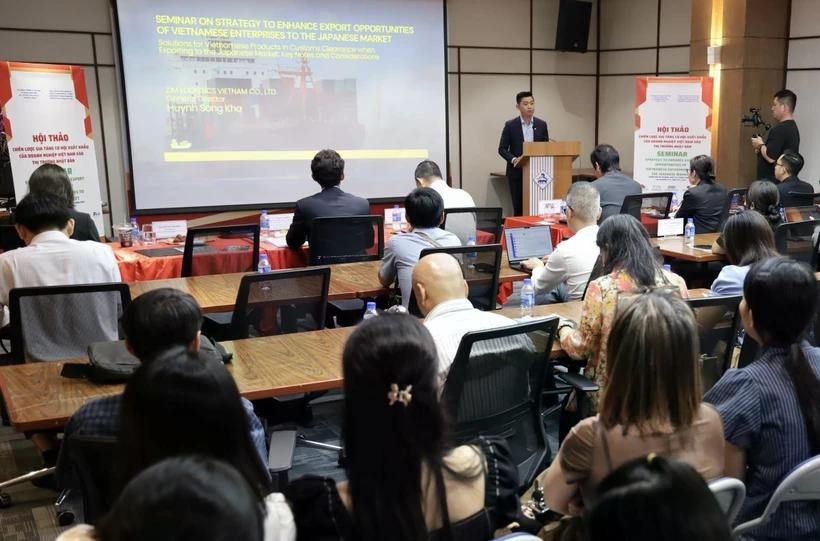
Experts shared this information at a seminar on strategies to boost export opportunities for Vietnamese enterprises to Japan. The event was jointly organised on June 25 in Ho Chi Minh City by the Investment and Trade Promotion Centre (ITPC) and the Vietnam Trade Office in Osaka, Japan.
According to ITPC Director Tran Phu Lu, the Vietnam–Japan economic relationship has grown strongly in recent years and is now a pillar of bilateral cooperation. Vietnam ranks as Japan’s seventh-largest export partner and ninth-largest import partner. With four bilateral and multilateral free trade agreements in place between the two nations, there remains significant room to deepen commercial ties.
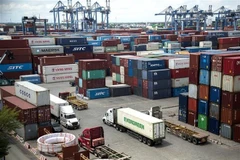
In 2024, bilateral trade reached 46.23 billion USD, with Vietnam exporting approximately 24.61 billion USD worth of goods to Japan. Key exports include textiles and garments, vehicles and components, machinery and tools, wooden products, furniture, and plastics. Meanwhile, Japan exported around 21.62 billion USD to Vietnam, led by computers, electronics and components, machinery, steel, and mobile phones.
Lu noted that Vietnam–Japan trade is expected to maintain its growth momentum. Japan is not only a key export market but also a key source of advanced technology and industrial equipment for Vietnam. Increasing the export of high-value-added products such as computers, electronic components, and processed industrial goods is seen as a strategic direction. Conversely, Japanese businesses are encouraged to expand their investment and supply of high-quality products to the Vietnamese market.
To capitalize on these opportunities, Vietnamese businesses should enhance product quality, keep abreast of market trends, implement sustainable development strategies, and actively pursue international partnerships. Flexibility and initiative are essential for strengthening their position in the Japanese market and boosting export turnover, Lu suggested.
Quyen Thi Thuy Ha, head of the Vietnam Trade Office in Osaka, highlighted that their economies are complementary rather than competitive, and share cultural similarities and geographical proximity. The Vietnamese community in Japan also plays a crucial role in promoting cultural and trade exchanges. Despite Japan’s strong import demand, Vietnam accounts for just 3.3% of its total trade volume, indicating substantial room for growth.
Current Japanese consumption trends favour environmentally friendly, recyclable, and plastic-free products. Other high-demand sectors include clean and safe food with clear origins, beauty and personal care products, household technology, and services for the elderly. The growth of e-commerce platforms such as Rakuten and Amazon Japan is accelerating online shopping, while personalised consumption is gaining popularity, with Japanese consumers seeking products tailored by age, gender, and lifestyle.
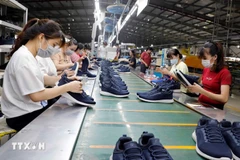
Regarding opportunities for Vietnamese goods, Ha emphasised two key sectors: textiles and footwear, and agriculture. Japan’s textile and footwear market is worth around 55–60 billion USD, with imports accounting for 98.5% of volume. Vietnam is Japan’s second-largest supplier in this sector, holding a 17.2% market share, second only to China. Since the Regional Comprehensive Economic Partnership (RCEP) took effect, Vietnam’s textile and footwear exports to Japan have grown by over 25%.
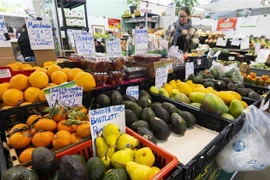
In agriculture, Japan has a high demand for safe and organic products, particularly tropical fruits, coffee, cashew nuts, and vegetables. Japan’s import value of these products is rising significantly. Notably, in 2024, Japan’s import of coffee beans increased by 20.2% compared to 2023, while imports of cocoa and its products surged by 115%. The Vietnamese community of over 634,000 people living and working in Japan also represents a key consumer base for Vietnamese food.
To succeed in Japan, Vietnamese companies must invest in product quality, conduct thorough market research, understand local culture, and build lasting relationships with Japanese partners.
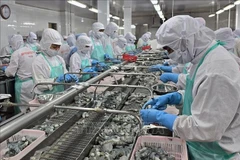
From the perspective of Japanese buyers, Shiotani Yuichiro, General Director of AEON TOPVALU Vietnam, emphasised AEON’s strong focus on sustainability and corporate social responsibility. The group prioritises products with international certifications such as the Marine Stewardship Council (MSC), Aquaculture Stewardship Council (ASC), and Forest Stewardship Council (FSC).
To become an AEON supplier targeting the domestic and ASEAN markets, businesses must be legally established for at least one year, have production capacity tailored to orders, and demonstrate a commitment to long-term cooperation. For those aiming to export to Japan, even higher standards apply, including requirements related to labour practices, safety, environment, and business ethics.
Shiotani suggested that Vietnamese businesses lacking export experience can start by becoming strategic partners with AEON. Through AEON’s wide retail network, Vietnamese products can not only gain a foothold in Japan but also expand to global markets, he noted./.
VNA