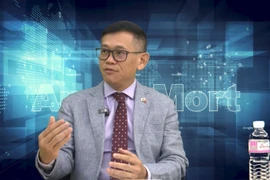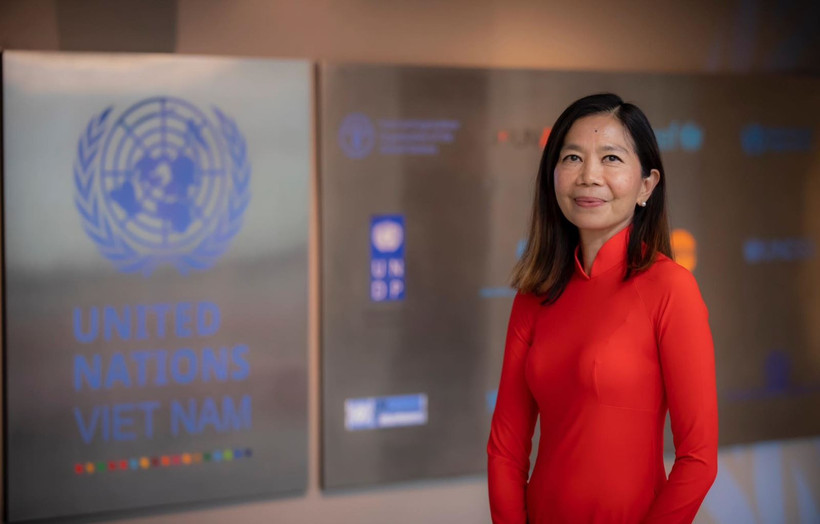
Hanoi (VNA) - Pauline Tamesis, UN Resident Coordinator in Vietnam, has stressed that the Opening for Signature of the United Nations Convention against Cybercrime in Hanoi October 25-26 is “nothing short of historic” in an interview granted to the Vietnam News Agency (VNA).
The following is the full interview.
Reporter: Vietnam will, for the first time, host the Opening for Signature of the United Nations Convention against Cybercrime. What is your assessment of the significance of this event for both Vietnam and the international community?
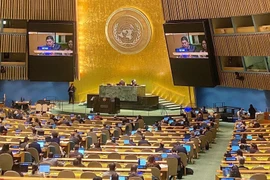
UN Resident Coordinator: The Opening for Signature of the United Nations Convention against Cybercrime in Hanoi is nothing short of historic. For the first time, a United Nations treaty will bear the name of a Vietnamese city—a powerful testament to Vietnam rising stature on the world stage. This Convention is the first global legal instrument on cybercrime adopted within the UN framework in over two decades, and it stands as a success of multilateralism in the challenging times. Its creation was driven by the urgent need to address the explosive growth of cybercrime—crimes that transcend borders, outpace legislation, and threaten the very fabric of our digital societies.
This Convention is more than a legal document; it is a blueprint for international cooperation, providing signatories with robust tools to prevent, investigate, and prosecute cybercrime. It marks a new era of collaboration among governments, international organisations, businesses, and civil society, united in the pursuit of cybersecurity, data protection, and justice in the digital age.
Crucially, the Convention is deeply connected to the Global Digital Compact and the Pact for the Future—initiatives that champion digital safety, human rights, and inclusion. Together, they signal the international community’s resolve to build an open, secure, and resilient digital future for all.
For Vietnam, hosting this ceremony is a crowning achievement in its 47-year partnership with the United Nations. It is a moment of pride, reflecting Vietnam’s commitment to multilateral diplomacy and its growing leadership in shaping the future of global governance.
Reporter: In your view, what does Vietnam’s position as the host country for this important event say about its growing credibility and role in addressing global issues?
UN Resident Coordinator: Vietnam as a host for this landmark event is a resounding endorsement of its leadership, vision, and unwavering commitment to multilateralism, anchored in the United Nations. It signals to the world that Vietnam is not only a responsible member of the international community but also an emerging leader in tackling the most pressing challenges of our time.
This honour builds on Vietnam’s active international engagement -- from its seat in the Human Rights Council, to its leadership in the Just Energy Transition Partnership (JETP), to its ambitious climate commitments under NDCs, and its advocacy for the Women, Peace and Security agenda -- are catalysed by its long-standing commitment to diplomacy and international cooperation.
Vietnam’s hosting of the Hanoi Convention signing ceremony is a testament to its ability to foster dialogue and drive progress on issues that matter to the global community. It is a clear signal that Vietnam’s voice is respected, its leadership valued, and its partnership with the United Nations stronger than ever.
Reporter: What does the United Nations expect from Vietnam in advancing international cooperation on cybersecurity and combating cybercrime, especially in the increasingly complex and high-risk digital landscape?
UN Resident Coordinator: The United Nations expects all future parties to the Convention—including Vietnam—to fully implement its provisions, in harmony with other international agreements, such as the Global Digital Compact, and international human rights law. We look to Vietnam to continue its exemplary leadership, championing proactive international cooperation, sharing expertise, and fostering innovation in the fight against cybercrime.
Vietnam is a country rising to a new era. With the bold reforms charting a new course for digital transformation, Vietnam is not just adapting to the future—it is helping to shape it. The country’s ambition to become a global leader in digital governance is matched by its commitment to building a cyberspace that is safe, inclusive, and anchored in human rights.
The United Nations sees in Vietnam a trusted partner—one whose long-standing relationship with the UN has been marked by shared values, mutual respect, and a common vision for peace, development, and cooperation. As we confront the challenges of an increasingly complex digital landscape, we are confident that Vietnam will continue to lead by example, fostering cross-border collaboration and championing the principles of justice, security, and dignity for all.
Together, we can ensure that the digital world remains a space of opportunity, not vulnerability—a space where innovation thrives, rights are protected, and no one is left behind.
Reporter: Thank you so much!
VNA