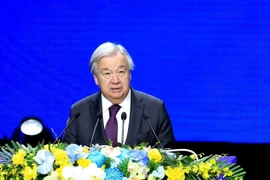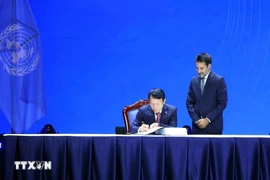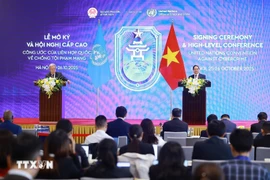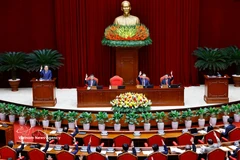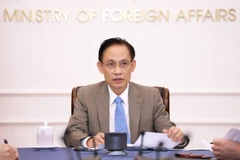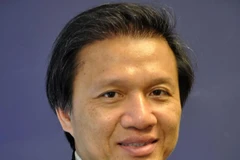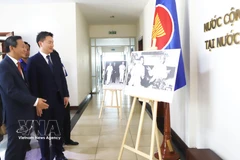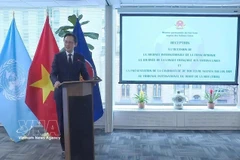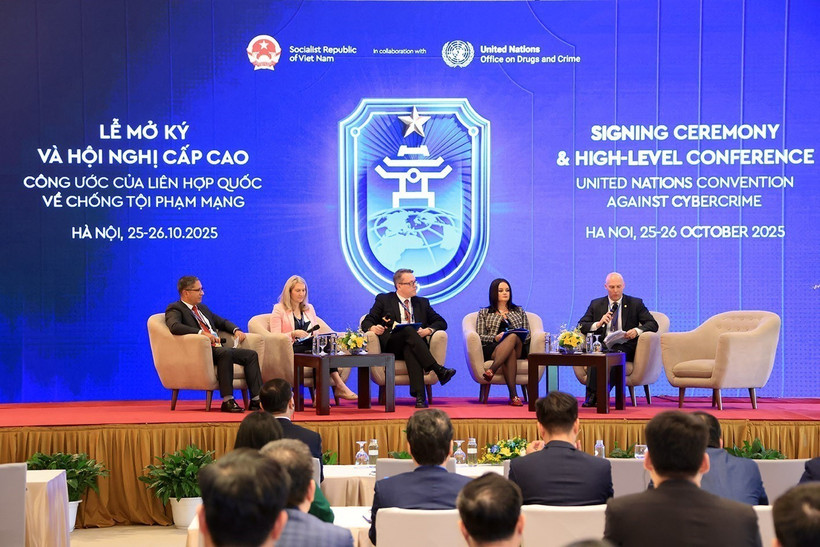
Hanoi (VNA) – Deputy Minister of Public Security Sen. Lieut. Gen. Pham The Tung and Deputy Minister of Foreign Affairs Nguyen Minh Vu co-chaired a high-level debate within the Signing Ceremony and the High-Level Conference of the United Nations Convention against Cybercrime (also known as Hanoi Convention), at the National Convention Centre in Hanoi on October 26.
Representatives from 62 countries and international organisations contributed their opinions, emphasing that cybercrime is a rapidly growing area that no single country can tackle alone. They called on all nations to soon sign and ratify the convention to ensure its effectiveness in the global fight against cybercrime, and to promote cooperation towards a safe and humane digital space worldwide.
They shared perspectives on global efforts to tackle cybercrime, highlighting the Hanoi Convention’s role in affirming commitment and belief in fighting the crime.
Delegates agreed that the adoption of the convention marks a new milestone in establishing international norms for cyberspace, aiming toward a global framework to prevent and combat cybercrime, as well as to support the collection and sharing of electronic evidence in serious cross-border offences.
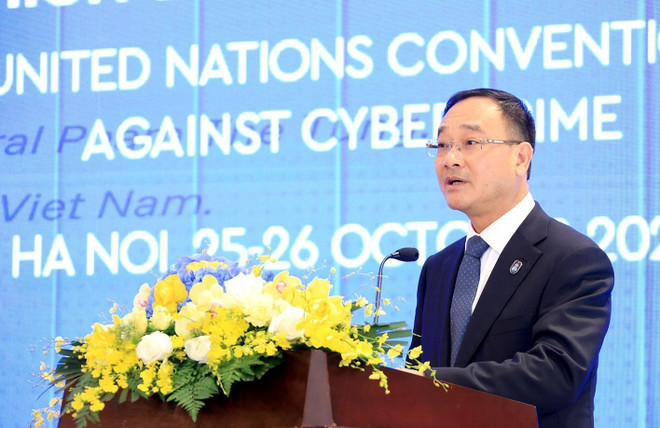
With 68 provisions, the convention will promote international cooperation in preventing and addressing cybercrime, which poses global challenges due to its rapid spread and wide-ranging impacts. It will provide an equal opportunity for all countries to work together in tackling increasingly complex and cross-border cybercrimes.
South Africa’s representative congratulated the UN and its member states for years of effort in achieving this historic treaty, emphasising that international cooperation is a core element of the convention, as no single country can combat cybercrime alone. They also called on all member states of the UN to sign and ratify the convention, noting its full implementation is essential for the convention to be truly effective in the global fight against cybercrime.
Meanwhile, Cuba’s representative affirmed that signing the Hanoi Convention is an important step, stressing that international cooperation is necessary but must respect sovereignty and ensure non-interference in internal affairs of each other. Cuba warned of the risks posed by technology misuse, artificial intelligence, and cross-border cybercrime to global peace and stability, calling for shared responsibility among nations.
The representative reaffirmed Cuba's commitment to multilateralism, calling for the lifting of sanctions that hinder its cyber defence capabilities, and expressing the desire to build a safe and stable cyberspace based on cooperation, transparency, and respect for national sovereignty.
Many international representatives welcomed the progress made since the adoption of the convention. They showed their hope that this scheme will be completed soon, and pledged full participation with the highest sense of responsibility.
According to Tung, with over 1,000 delegates from more than 110 countries and international organisations in attendance, the conference witnessed a historic moment as representatives from 69 countries signed the Hanoi Convention, reflecting their commitment, determination, and the urgent demand to strengthen international cooperation and advance a global legal framework to combat cybercrime.
Notably, statements from Vietnamese top leaders, including Party General Secretary To Lam, State President Luong Cuong, and Prime Minister Pham Minh Chinh, affirmed Vietnam’s determination to see the convention come into force with participation from all countries, ensuring that no one is left behind - all in the spirit of international solidarity to safeguard a safe, healthy, and sustainable cyberspace.
At a plenary discussion on October 25 afternoon, the conference heard 19 statements, with many of those spotlighting the convention’s role as a significant step in forming the world’s first global legal framework to coordinate collective efforts against cybercrime, Tung added.
Many countries showed readiness to commit to combating cybercrime and boosting international cooperation in information and evidence sharing, as well as in developing common standards for cyberspace management with concrete proposals, Tung said, noting that developed countries in particular pledged to provide capacity building and technical support in response to requests from developing nations./.