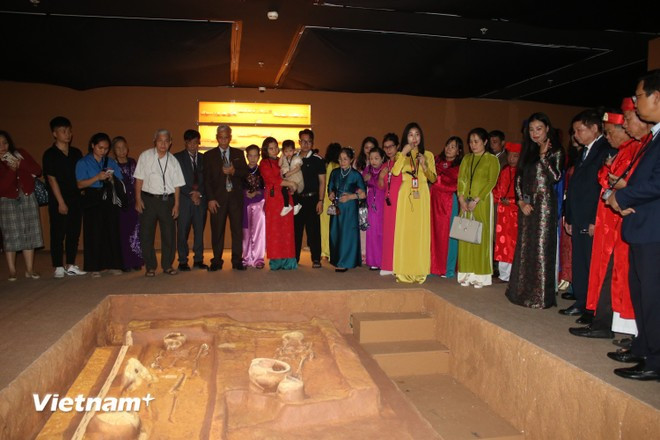
Hanoi (VNA) – The Hanoi Museum is hosting a special exhibition on archaeological discoveries from the Vuon Chuoi archaeological site, starting November 9.
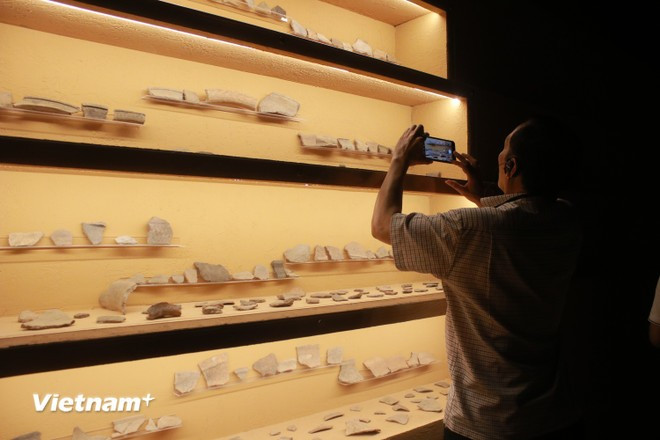
The artefacts span multiple cultural periods, from the Phung Nguyen to Dong Son civilisations, revealing the daily life of ancient Vietnamese communities and affirming the historical and cultural values of this important area.
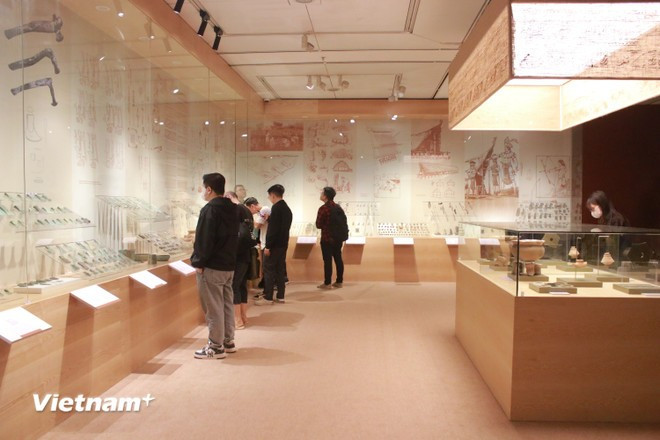
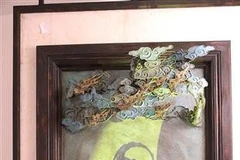
The exhibition presents nearly 1,000 artefacts, documents, images, and maps, recreating objects and scenes from the life of the ancient Vuon Chuoi village. Covering 750 square metres, the display is divided into five thematic sections – the journey of discovery, the convergence and crystallisation of cultures, the protection and promotion of the heritage value of the Vuon Chuoi site, the scientists associated with Vuon Chuoi, and the archaeologist’s experience corner.
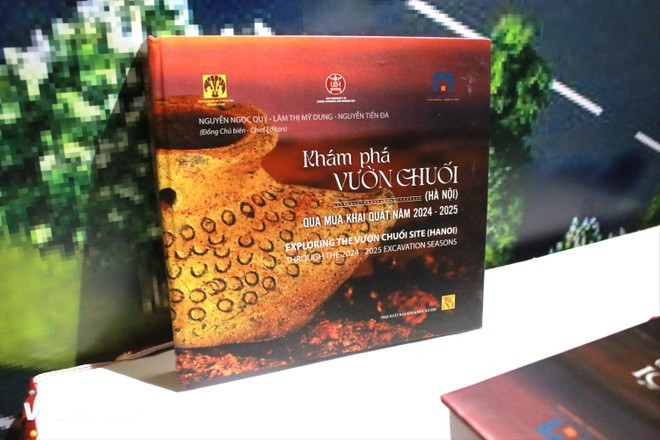
For visitors seeking deeper research, the museum is offering a publication titled Exploring Vuon Chuoi (Hanoi) through the 2024–2025 excavation season. The book chronicles the archaeological journey, interprets key artefacts, and explores how the Vuon Chuoi heritage continues to live within contemporary culture.
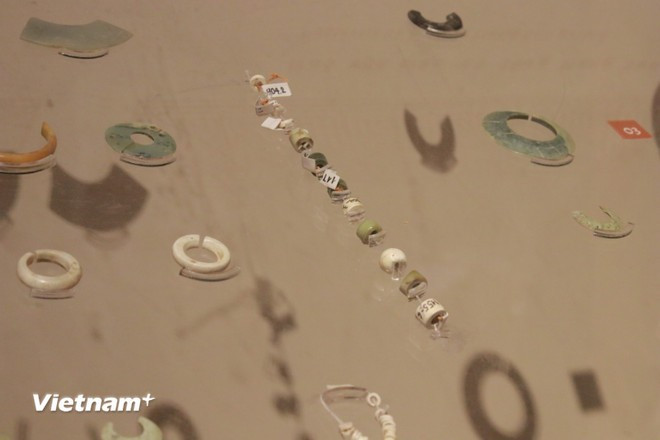
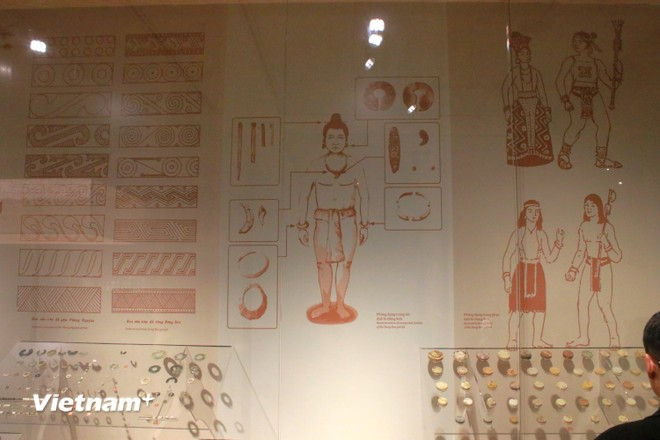
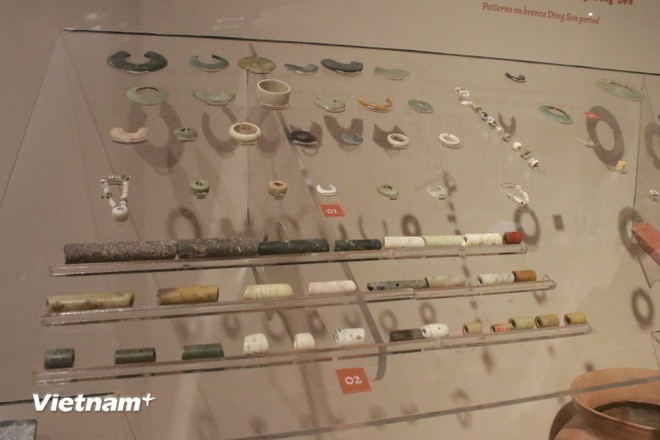
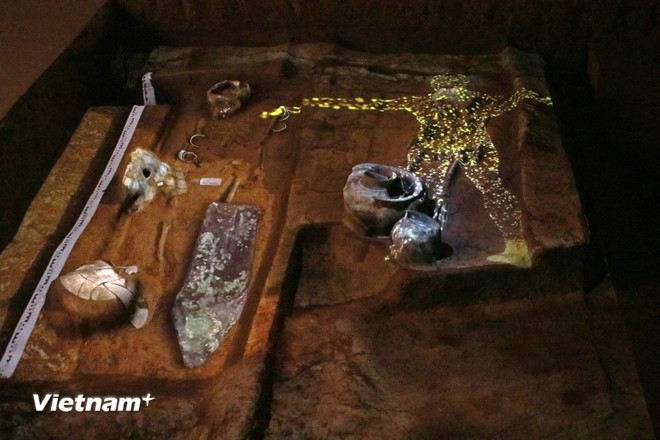
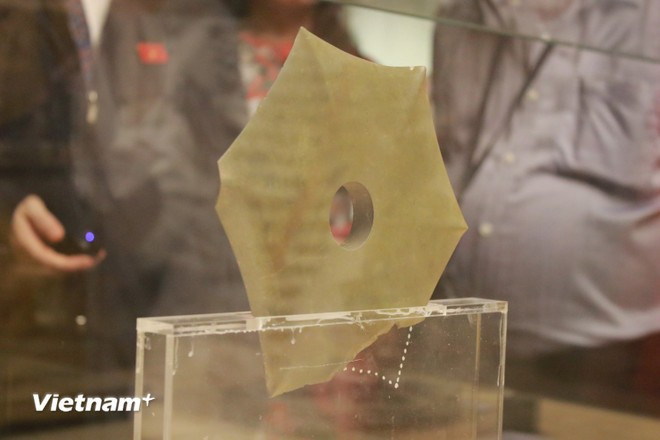
Among the exhibition’s highlights are a jade-green ceremonial axe symbolising the power of tribal chiefs – a funeral object dating to the pre-Dong Son period around 3,500 years ago. Another includes a pendant shaped like a phoenix head, and a collection of jade ornaments, including bracelets, earrings, bead chains. There is also ritual insignia such as tooth-shaped and pointed pendants, which signified social rank and authority.
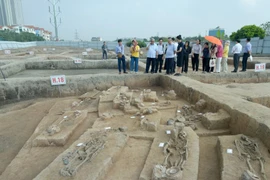
At the opening ceremony on November 9, the Vuon Chuoi site – located in Lai Xa village of Hoai Duc commune, Hanoi – was officially recognised as a city-level heritage site. It is considered one of the most typical archaeological sites of the Metal Age in the region that is now Hanoi and northern Vietnam.
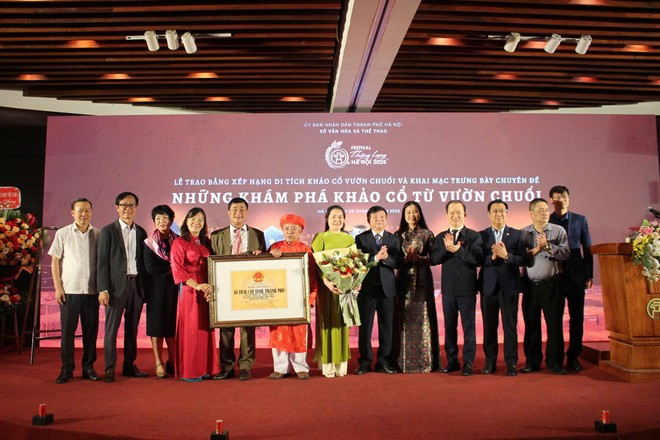
Archaeological studies indicate that this area was once a continuously inhabited settlement dating back nearly 4,000 years, spanning the Phung Nguyen, Dong Dau, Go Mun, and Dong Son civilisations. Since its discovery in 1969, the site has undergone 11 excavations covering a total area of 7,555 square metres.
The most recent excavation, conducted from March 2024 to March 2025, covered an exceptional 6,000 square metres in the western section of the site. This dig revealed spatial distributions and important traces of residential areas, workshops for stone, bronze, and ceramic production, and burial grounds reflecting ancient funeral customs.
These findings shed light on symbols of power, ritual objects, a matrilineal social structure, and an organised community with a relatively high level of division of labour and technical skill.
Researchers describe Vuon Chuoi as a quintessential example of a settlement reflecting the life of early wet-rice agricultural communities – the people who first reclaimed, cultivated, and mastered the Red River Delta nearly 4,000 years ago, laying the foundation for the emergence of the earliest forms of the Vietnamese State.
Given its exceptional value, experts are urging the creation of a heritage park or open-air archaeological museum, both to promote the site’s historical, cultural, and tourism potential and to protect it from the risk of being leveled for private gain. Such measures, they argue, would help avoid wastefulness from failing to fully realise the prehistoric treasure’s potential value.