Cultural industry strategy: Vietnam steps into era of creative economy

The strategy identifies core issues: creativity, identity, and facilitating conditions for talented people to shine.

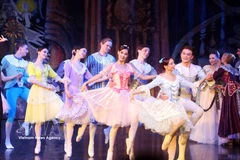
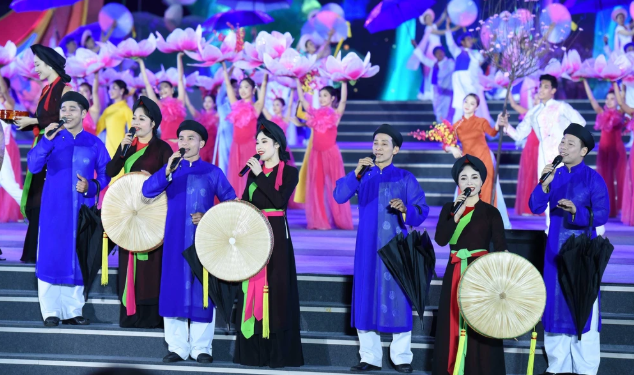
Artists perform Quan Ho (love duet) singing - a UNESCO Intangible Cultural Heritage of Humanity. (Photo: VNA)

Hanoi (VNA) - As the cultural industries emerge as a new growth engine for many economies worldwide, Vietnam’s recent release of a Strategy for the Development of Cultural Industries to 2030, with a vision to 2045, holds significant importance.

This is considered a necessary step to enhance Vietnam's position in the new development stage.

According to People’s Artist Vuong Duy Bien, Chairman of the Vietnam Cultural Industry Development Association, the strategy opens up a long-term vision to turn culture into a competitive, creative economic sector, contributing sustainably to growth and affirming Vietnam's position in the global cultural industry value chain. This strategy marks a strong shift in mindset from considering culture primarily as a spiritual field to approaching culture as an economic resource, an industry based on creativity, knowledge, technology and copyright value.

He emphasised that the strategy identifies core issues: creativity, identity, and facilitating conditions for talented people to shine. It also promotes the protection of intellectual property, nurtures talent, and strengthens business linkages to build a competitive global value chain.
screenshot-2025-12-10-213712.png
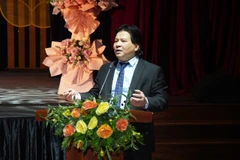
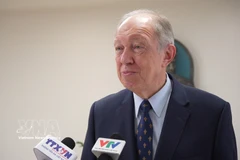
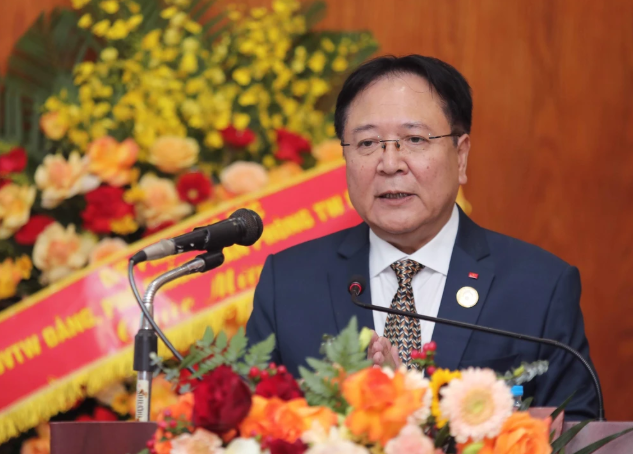
People’s Artist Vuong Duy Bien, Chairman of the Vietnam Cultural Industry Development Association. (Photo: VNA)

In addition, more attention should be paid to human resources training to further promote creativity and international integration, affirming culture as a soft power of the country.

Poet Nguyen Ngoc Tung, former Chairman of the Literature and Arts Association of Vinh Phuc province (now Phu Tho province), said the strategy is a breakthrough in sustainable development in the country, aligned with the trend of international integration.

The strategy lays out clear goals and solutions, tapping into the creativity of artists and writers to actively contribute to the Fatherland and its people. It also drives innovation in creative thinking, enhancing the quality of work to produce valuable creations that match the country’s development.

The creative works are considered a “soft” tool to promote the cultural values, people and country of Vietnam in the international arena.

The identification of ten priority cultural industries - ranging from cinema, performing arts and cultural tourism to software and gaming - reflects a comprehensive and forward-looking vision. Rather than relying on traditional material resources, the strategy focuses on harnessing “soft resources” such as creativity, intellect, national identity, cultural values and intellectual property. This approach aligns with the sustainable growth models that many advanced economies are pursuing.

Under the strategy, the cultural sector is no longer viewed as merely supplementary. It is positioned as a strategic pillar on par with other key economic drivers. By 2030, cultural industries are expected to expand by an average of 10% annually and contribute around 7% of the country's GDP, which is hoped to rise to 9% by 2045.

A major emphasis of the strategy is to boost the export of cultural products, thereby promoting Vietnamese cultural values on the global stage. Expanding cultural exports not only generates foreign currency income but also strengthens Vietnam’s soft power. As seen in the global success of Korean films, Japanese music and Chinese performing arts - now powerful tools for national branding - Vietnam needs a robust strategy to bring culturally distinctive Vietnamese products to international audiences.

A strong and dynamic cultural industry will help Vietnam secure a more prominent place on the world cultural map, represented not only by its rich tangible and intangible heritage but also by modern, creative, globally competitive products.

Nguyen Thi Thanh Vinh, former Vice Chairwoman of the Literature and Arts Association of Vinh Phuc province (now Phu Tho province), highlighted that the strategy concretises the Party’s resolution to place culture on par with economy and politics.

Developing cultural industries is developing a 'green industry' or 'smokeless industry', Vinh stated, adding that the effective implementation will act as a catalyst for innovation, preserving traditional values while satisfying the public's increasing demand for high-quality spiritual products.

By focusing on human resources and a supportive ecosystem, the strategy aims to turn Vietnam's rich heritage into a prosperous, modern, and influential creative economy./.
VNA

See more

Digital skills are considered a crucial “key” helping civil servants perform their duties more efficiently. (Photo: VNA)

Code of conduct aims to foster healthy digital culture

Under a new code of conduct for cultural behaviour in the digital environment, users are required to comply with Vietnamese laws, respect the legal rights and interests of all organisations and individuals, act in a civilised and respectful manner, and preserve the cultural identity, ethical values, and noble traditions of the Vietnamese people.

International visitors experience drinking West Lake lotus-infused tea (Photo: VNA)

Vietnam becomes increasingly popular destination for French tourists

French tourists are particularly interested in Vietnam’s cultural and historical values as well as its traditional identity. Authentic experiences such as exploring mountainous areas, learning about ethnic minority communities, enjoying local cuisine and discovering the country’s history are especially appealing to them.

VinFast expands presence in Southeast Asia

VinFast expands presence in Southeast Asia

Indonesia's PT Sembilan Benua Abadi is expected to purchase 10,000 VinFast EVs by the end of 2027, while PT. Satu Kosong Tujuh plans to acquire 10,000 units by the end of 2028. All vehicles will be deployed for commercial transportation services.

The Executive Committee of the Vietnam Ao Dai Heritage Club in Laos make debut. (Photo: VNA)

Ao dai helps promote Vietnamese culture in Laos

The club operates under the Vietnam Ao Dai Heritage Club of the Vietnam Cultural Heritage Conservation Support Fund, aiming to preserve and promote the values of the Vietnamese traditional dress among the Vietnamese community in Laos.

Head of the Party Central Commitee's Commission for Information, Education and Mass Mobilisation Trinh Van Quyet (first, right) presents A prize to the winning authors and groups of authors. (Photo: VNA)

More than 50 outstanding books honoured at 8th National Book Awards

Two A prizes, the highest distinction of the awards, were granted to Lich su Vietnam bang hinh (Vietnamese History in Pictures) by Dong A and multiple authors, jointly published by the Publishing House of Hanoi National University of Education and Dong A Culture Joint Stock Company.

An Ao dai collection of Lan Huong brand is introduced at the event (Photo: VNA)

Journey to bring Vietnam’s 'Ao dai' to global fashion stage

With support from the Embassy of Vietnam in the UK, Vietnamese associations across Europe, as well as business and artistic communities, the initiative seeks to establish the 'Ao dai' brand on the world fashion map. After London, the project is expected to travel to Paris and Milan, two of the world’s leading fashion capitals, to further showcase Vietnam’s cultural identity.

Tokyo Girls Collection will launch a fashion and music festival in Vietnam. (Photo: www.sggp.org.vn)

Tokyo Girls Collection Vietnam 2026 to debut in Ho Chi Minh City

The first day of TGC Vietnam will be open to the public free of charge and focus on fashion and lifestyle experiences. Activities will include Vietnam–Japan cultural exchanges, food and shopping spaces, Harajuku-inspired check-in areas, and runway shows featuring Japan’s distinctive fashion DNA.

An art performance at the event (Photo: VNA)

Vietnamese culture promoted in France

It featured traditional melodies such as the ‘dan tinh’ (a kind of musical instrument) and 'then' singing of the Tay ethnic group, Quan ho (love duet) folk songs from Bac Ninh, as well as northern and southern Vietnamese folk music, 'cai luong' (reformed opera) excerpts and well-known songs celebrating the homeland, spring and love.

An exhibition of paintings and books titled “Vietnamese Soul on French Soil” opens on March 7 in Val-de-Marne, part of the Ile-de-France region. (Photo: VNA)

Exhibition of paintings and books celebrates Vietnamese spirit in France

More than an art exhibition, the event brought together Vietnamese intellectuals and artists living in France who, despite building successful careers abroad, have continued to maintain strong ties with the homeland. It also attracted French friends who have long-standing connections with Vietnam and hold deep affection for the country.

Ao dai (traditional long dress) and other traditional Vietnamese attire showcased at the Vietnam Festival 2026 in Osaka (Photo: VNA)

Vietnam Festival 2026 in Osaka spreads Vietnamese culture

Vietnam Festival 2026 in Japan is not only a cultural celebration rich in Vietnamese identity for the community in Japan, but also a vivid symbol of solidarity and close ties among overseas Vietnamese towards their homeland.

Chef Anna Le (in red dress) shares techniques and secrets for preparing Vietnamese vegetarian dishes using simple yet flavourful ingredients. (Photo: VNA)

Vietnamese vegetarian cuisine promoted to diplomatic community in US

In Vietnam, vegetarian food is not merely a dietary choice but also a philosophy rooted in peace, compassion, and a deep respect for nature. It reflects the Vietnamese soul - gentle yet flavourful, simple yet sophisticated. Familiar ingredients such as lotus seeds, tofu, mushrooms and fresh herbs are transformed into light, nutritious dishes that embody the essence of Vietnamese gastronomy.

A performance of Vietnamese artists at the opening ceremony of the 11th Japan-Vietnam Festival (Photo: The organising board)

Vietnam–Japan festival strengthens people-to-people ties

After more than a decade of development, the Japan-Vietnam Festival in Ho Chi Minh City has become a significant international cultural exchange event and a vivid symbol of the strong and enduring friendship between the two nations.

Visitors admire a large driftwood sculpture measuring nearly 25 metres in length and weighing around 20 tonnes, regarded as one of the most intricate works of its kind in Vietnam. (Photo: VNA)

Driftwood “museum” in middle of Tien River

What were once tree trunks lying silently beneath the muddy waters have, through his hands, become singular sculptural works, forming an unusual visitor attraction amid the waterways of southern Vietnam.