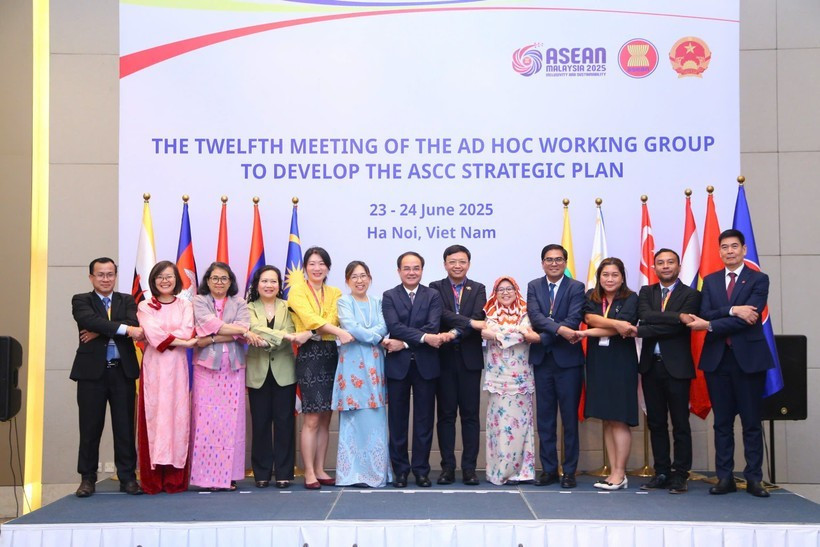
Hanoi (VNA) – Vietnam has successfully implemented most of the goals of the ASEAN Socio-Cultural Community (ASCC) by 2025, with programmes well aligned at both national and local levels.
This conclusion was highlighted at the national mid-term review conference on the implementation of the Master Plan for the ASEAN Socio-Cultural Community (known as Project 161), held on August 21 in Hanoi by the Ministry of Home Affairs.
Over the past decade, Vietnam has mainstreamed the ASCC targets into the plans of its ministries and even into the operations of socio-political organisations. Nearly all the ASCC goals have been translated into specific tasks, with clear assignment of responsibilities to local authorities.
Deputy Minister of Home Affairs Vu Chien Thang praised the commitment and achievements of ministries in carrying out Project 161 since its launch.
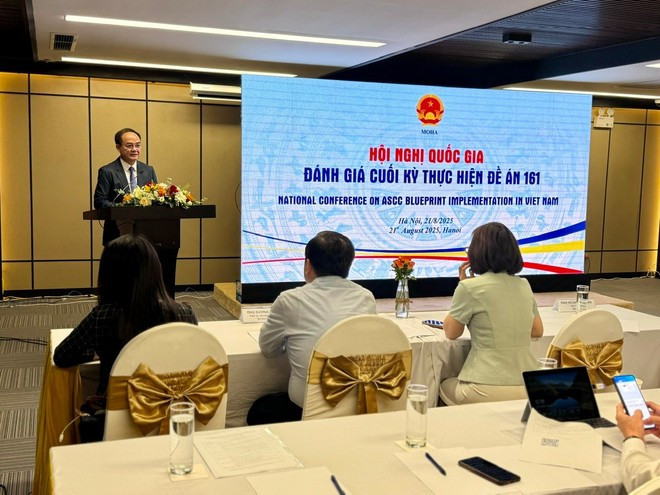
He underlined that efforts were not confined to issuing separate action plans, but also to integrating ASCC objectives into foreign affairs, public communication, and specialised development programmes.
According to Thang, this approach has contributed to advancing the main pillars of the project including building a cohesive and people-oriented community, fostering inclusiveness, promoting sustainability, enhancing resilience, and nurturing a dynamic ASEAN identity.
Despite challenges such as limited resources and coordination mechanisms, Vietnam has made progress in strengthening training for public officials and civil servants throughout the process.
A milestone in this regard was the 2018 submission by the Ministry of Home Affairs to the Prime Minister of the project, “ASEAN Declaration on the Role of the Civil Service as A Catalyst for Achieving the ASEAN Community Vision 2025”. This provided the foundation for ministries to draw up their own plans, reinforcing accountability and supporting administrative reforms and public service delivery.
Thang stressed that 2025 marks a turning point for Vietnam, laying the groundwork for a new phase of growth. He noted that ongoing reforms to streamline and enhance the efficiency of the political-administrative system will make the most practical contributions to completing Project 161’s objectives.
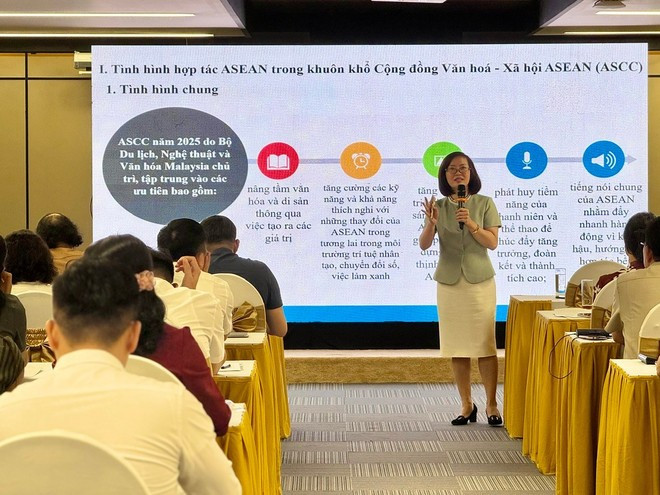
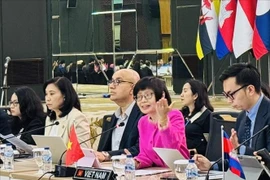
At the conference, representatives also received updates from the ASEAN Secretariat, the Ministry of Foreign Affairs and the Ministry of Home Affairs on cooperation within the ASEAN Political-Security and Socio-Cultural pillars.
Reports from several ministries detailed major outcomes in implementing national programmes linked to Project 161, especially in improving public services across sectors. Delegates shared experiences, identified lessons learned, and discussed obstacles encountered in the process.
The meeting also focused on guidelines for preparing the final evaluation report of Project 161. Participants agreed on the need to strengthen coordination and information exchange to ensure timely completion of the report, which will be submitted to the Prime Minister by the end of 2025.
Looking beyond 2025, delegates supported a proposal for the Ministry of Home Affairs to continue leading coordination with ministries in drafting a new plan to implement the ASEAN Socio-Cultural Community Strategic Plan for the post-2025 period in Vietnam./.