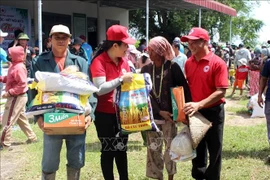
Hanoi (VNA) – The total value of humanitarian activities carried out nationwide by the Vietnam Red Cross Society (VRCS) last year reached nearly 5.2 trillion VND (197.84 million USD), assisting more than 8.7 million people, according to Vice President and General Secretary of the VRCS Central Committee Nguyen Hai Anh.
Major movements, such as the Humanitarian Tet (Vietnam’s Lunar New Year Festival), the Humanitarian Month, and the campaign “each organisation, each individual linked to a humanitarian address,” continued to affirm the VRCS’s role as a connecter of social resources. The Tet campaign alone supported more than 2.6 million people, with a total value exceeding 1.34 trillion VND.
The Humanitarian Month remained a major highlight, mobilising over 786 billion VND – nearly 200% of the set target, supporting the construction and repair of 1,578 Red Cross houses and providing livelihood assistance to thousands of families. Through sustainable support models, the society’s humanitarian activities not only addressed immediate difficulties but also contributed to stabilising long-term livelihoods, narrowing social gaps and strengthening the community's consensus.
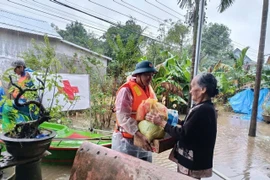
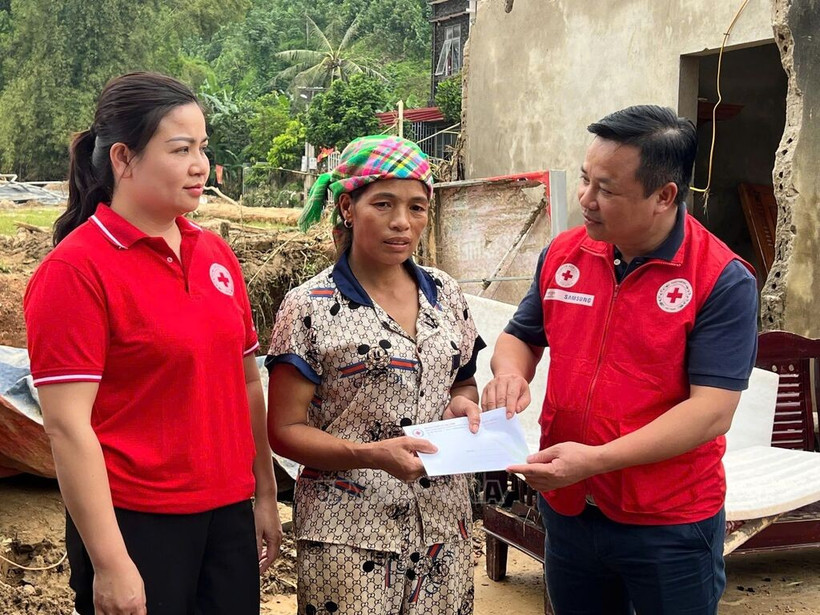
In the field of disaster prevention, emergency response and relief, the core role of the VRCS was further clearly demonstrated. The society assisted more than 513,000 people, with total disaster prevention and response activities valued at over 1.23 trillion VND. Cross-regional and cross-provincial relief efforts, as people nationwide joined hands to support disaster-affected localities, became vivid evidence of national solidarity during the most challenging times.
Alongside this, specialised humanitarian programmes such as those on nutrition for poor and disabled children, community healthcare, and the voluntary blood donation movement continued to yield positive results. More than 1.75 million units of blood were mobilised and received nationwide.
Notably, a campaign to support the Cuban people, chaired and implemented nationwide by the VRCS Central Committee, lasted for 65 days and attracted more than 2.1 million contributions, raising over 656.7 billion VND, ten times higher than the initial target.
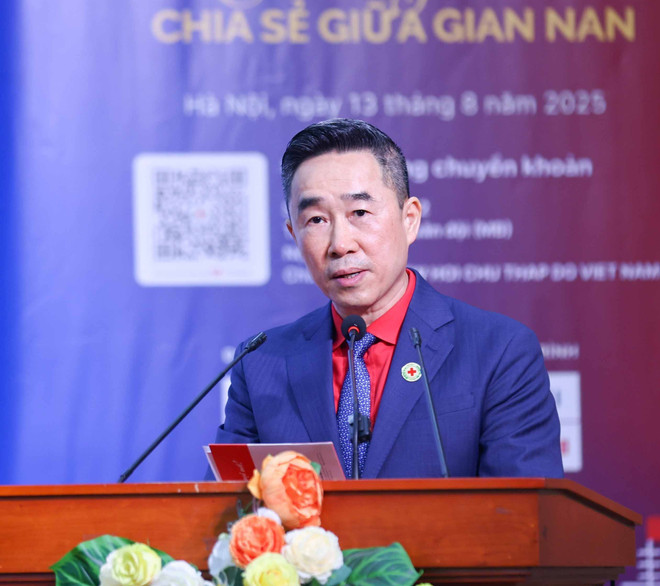
According to Do Thi Thu Thao, President of the VRCS, this year, the entire system aims to mobilise about 6 trillion VND in social resources, assisting between 9 - 10 million disadvantaged people nationwide. The voluntary blood donation movement will continue steadily, with a target of mobilising more than 1.9 million units of blood. Disaster prevention, response, and emergency relief activities will focus on supporting hundreds of thousands of people in areas affected by natural disasters and climate change.
For the 2026 Humanitarian Month, the entire Red Cross system aims to raise over 800 billion VND and simultaneously implement humanitarian projects and initiatives at the grassroots level. These goals are set not only to expand the scale of assistance but also to spread the spirit of compassion and mutual support, enhance the participation of society as a whole, and sustainably strengthen the great national unity bloc./.