Hanoi (VNA) – Crop production, which accounts for about 80% of total greenhouse gas emissions in Vietnam’s agriculture sector, is now at the centre of efforts to build greener, more sustainable farming.
Experts say reducing emissions from rice cultivation, fertiliser use, and post-harvest practices is not only vital for the environment but also key to maintaining access to international markets that increasingly demand sustainability certification and carbon traceability.
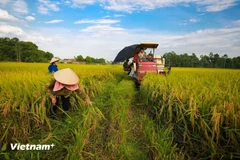
Rice farming remains the biggest emitter, largely due to the traditional continuous flooding practices.
Without change, experts warn Vietnam’s farm exports could face growing trade barriers in international markets that are increasingly tightening requirements on emission reduction, sustainability certification and carbon footprint tracing.
They believe there is significant potential for reducing emissions in crop production through simple, low-cost techniques that can be rapidly scaled from individual households to the national level.
Transitioning from traditional farming methods to certified low-emission production is seen as a major opportunity to enhance the value and competitiveness of Vietnamese agricultural products.
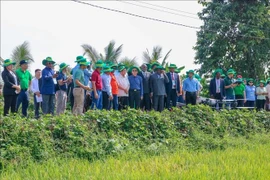
According to former Deputy Minister of Agriculture and Rural Development (now Agriculture and Environment) Le Quoc Doanh, Vietnam already has the technical foundation and professional support system to roll out low-emission models nationwide.
Research institutes, training schools, and extension networks are available across all ecological regions, while technical protocols for major crops are largely complete.He stressed that communication and farmer engagement are critical.
When farmers believe in the benefits of sustainable models, adoption becomes much smoother, he said, adding that emission reduction should be seen as a way to enhance value and expand markets.
Former agriculture minister Cao Duc Phat echoed that view, noting that policies will only succeed if they create strong economic incentives.
Since low-emission farming often requires higher upfront investment and longer payback periods, supportive mechanisms such as preferential credit or input subsidies are needed.
“Low-emission production must be a solution to raise farmers’ income, not a burden,” he stressed.
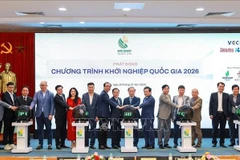
The Ministry of Agriculture and Environment is drafting a low-emission crop development plan for 2025–2035, aiming to cut at least 10% of agricultural greenhouse gas emissions and 30% of methane compared with 2020.
The plan envisions at least 15 replicable low-emission production areas and five technical packages for key crops, including rice, sugarcane, coffee, cassava, and banana.
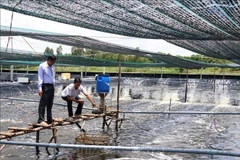
For rice, the largest emitter, four solutions are being promoted, including crop diversification in inefficient areas, rice-shrimp rotation, alternate wetting and drying irrigation, and recycling straw after harvest.
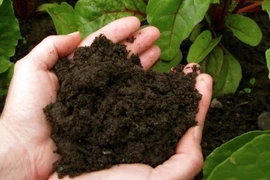
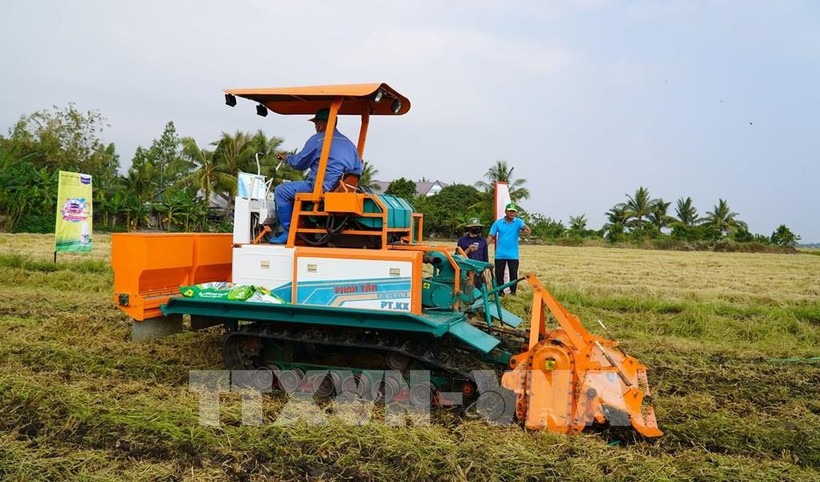
Technologies such as composting, mushroom cultivation, or producing biochar from straw not only reduce methane but also improve soil fertility and farm income.
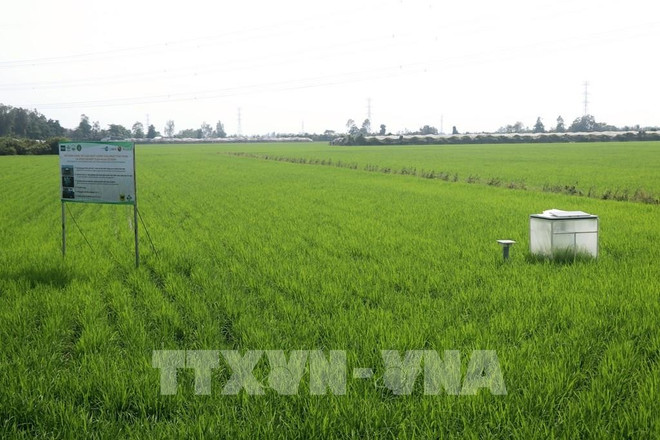
According to Director of the Institute of Agricultural Environment Mai Van Trinh, emission monitoring systems will be crucial for measuring, reporting, and verifying (MRV), especially as Vietnam prepares to participate in the global carbon market.
Deputy Minister of Agriculture and Environment Hoang Trung said the ultimate goal is to create high-value products that meet strict environmental standards at home and abroad.
Certified low-emission labels will strengthen the reputation of Vietnamese farm goods, while internationally recognised MRV procedures will ensure carbon credits are accepted worldwide.
The ministry expects the programme to lay the foundation for a low-emission agricultural ecosystem, with the State shaping policies, businesses investing in technology, farmers leading the transition, and international partners providing support./.