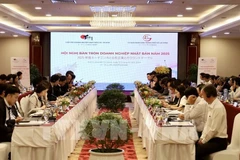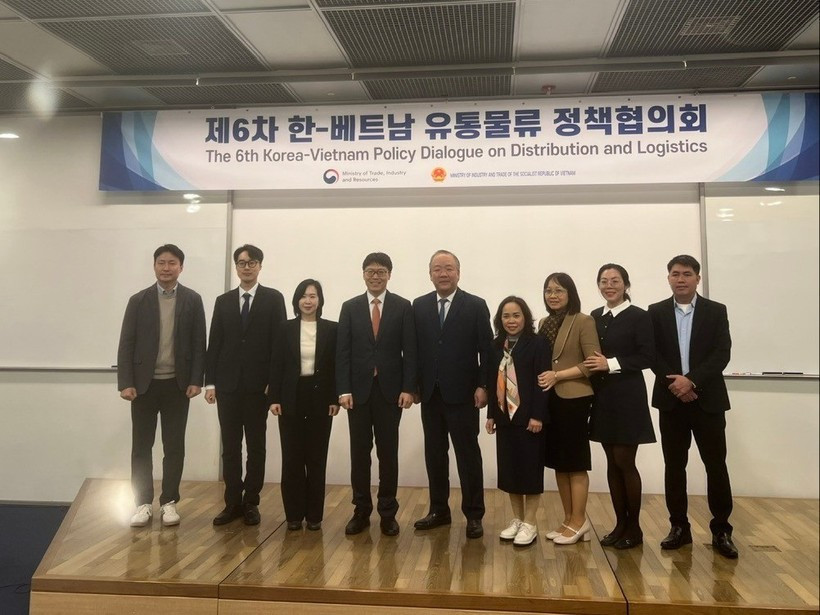
Hanoi (VNA) – The 6th Vietnam – Korea policy dialogue on distribution and logistics was held by the Vietnamese Ministry of Industry and Trade (MoIT) and the Ministry of Trade, Industry and Resources (MOTIR) of the Republic of Korea (RoK) in Seoul on November 26, aiming to foster partnership in this industry.
This annual event was to share information and policy-making experience, and promote business connections in the distribution and logistics sectors, according to the MoIT’s Domestic Market Management and Development Department (DMMDD).
In his opening remarks, Choi Yeonwoo, Director General for Middle Market Enterprise Policy, highly valued Vietnam’s dynamic business environment, noting that in 2024, the RoK’s largest beverage company, Hinte Jinro, chose Thai Binh to build its first overseas production facility- a clear demonstration of Vietnam's attractiveness.
Vietnam has abundant raw materials and water resources for production, Choi said, adding that the country is improving its legal framework for foreign trade and investment, creating a more transparent and stable environment for Korean businesses.
For the Vietnamese side, Tran Huu Linh, Director of the DMMDD, affirmed that the policy dialogue, held regularly since 2013, has become an important tool for the two countries to share experience, strengthen business connections, and expand investment cooperation in distribution and logistics.
Linh also highlighted Vietnam’s domestic market growth, with total retail sales reaching over 5.77 trillion VND (218.76 million USD) in the first 10 months of 2025, up 9.3% from the same period in 2024, reflecting strong economic momentum.
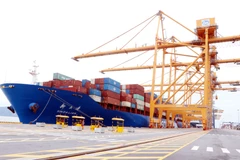
Amid the e-commerce boom and rapid digitalisation, Vietnamese logistics firms are investing in smart warehouses and modern centres to boost supply chain efficiency, he said, adding that the sector’s fast growth also calls for updated regulations, policies, and lessons from international experience, especially from the RoK, which leads the region in distribution and logistics.
Nguyen Thao Hien, Deputy Director of the MoIT's Department of Foreign Market Development, shared information on supply chain connections, trade promotion, and the marketing of Vietnamese products in the RoK.
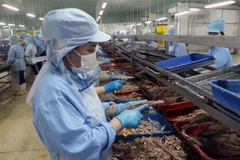
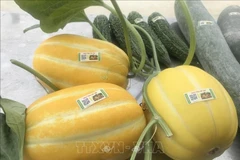
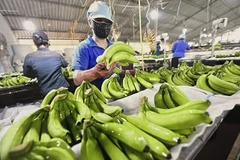
The MoIT is working closely with Korean partners to bring more Vietnamese products, especially farm produce, processed foods, and consumer items, into the RoK’s distribution networks, Hien said.
She added that business connection programmes, product exhibitions, and weeks of Vietnamese products in Korean supermarkets have proven effective, helping expand market share and raise the visibility of Vietnamese brands.
The Korean side presented its policy framework on digital transformation and AI applications in supply chains and shared experience in developing outlet models. Meanwhile, the Vietnamese side updated progress on institutional reforms to facilitate distribution and logistics businesses.
Notably, the two sides discussed coordination to protect Korean companies’ intellectual property in Vietnam - an increasingly important area of cooperation amid growing cross-border trade and rising IP infringement risks.
Vietnam affirmed that it will continue close cooperation with the RoK in data sharing and exchanging information on potentially infringing goods, helping businesses protect their brands, prevent trade fraud, and ensure a transparent and healthy investment environment.
The dialogue reaffirmed Vietnam’s and the RoK’s commitment to expanding cooperation, promoting trade, and enhancing business efficiency through stronger connectivity, technology adoption, and policy improvements. It provides a solid foundation for ongoing collaborative programmes between the two countries, contributing to the sustainable development of their distribution and logistics industries./.
RoK supports SMEs in securing stable production bases in Vietnam
The newly signed MoU aims to assist the global expansion of Korean SMEs, which have been increasingly challenged by rising protectionism and tightening trade regulations. Its key objective is to help Korean small-scale manufacturing firms secure stable production bases in Vietnam, a fast-growing economy, thereby enhancing their competitiveness in international markets, including Southeast Asia.