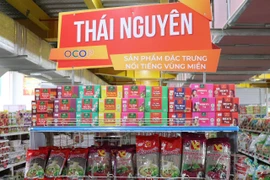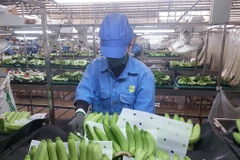
Hanoi (VNA) – After six years of nationwide implementation, Vietnam’s “One Commune, One Product” (OCOP) programme has achieved remarkable success. OCOP products are now making their mark on international markets, boosting incomes of farmers and promoting Vietnam’s culture and craftsmanship worldwide.
Driving rural economic growth
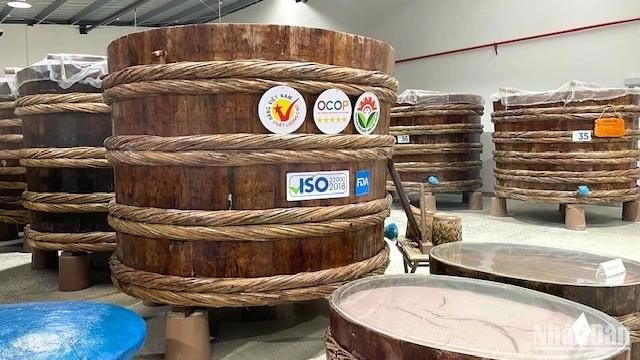
In Hoang Phu village, Hoang Hoa district, Thanh Hoa province, home to a 200-year-old fish sauce-making tradition, Le Gia brand has rapidly emerged as a rising star. Despite entering the market just eight years ago, Le Gia has successfully built on traditional know-how while embracing innovation. Today, its fish sauce is a household name across major supermarket chains nationwide and is exported to demanding markets such as the US, Australia, Singapore, New Zealand, Taiwan (China), and Japan.
According to Le Anh, Director of Le Gia Food and Trading Services Co., Ltd., the national 5-star OCOP certification is more than just a title. It represents the deep-rooted values of community-driven production. Le Gia’s mission is to uphold the livelihoods of fishermen, salt farmers, and coastal workers while bringing the essence of Vietnamese cuisine to the world, he said.
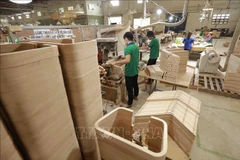
Meanwhile, in Bat Trang commune in Hanoi's Gia Lam district, Quang Vinh ceramics has carved out a strong reputation by blending heritage with modernity. Ha Thi Vinh, Director of Quang Vinh Ceramics Co., Ltd., stressed the importance of preserving the craft passed down through generations. To stay competitive, the company has embraced a structured business strategy, sending family members abroad for training and integrating advanced technology into production. Today, 95% of Quang Vinh’s products are exported to 30 countries, with its ultra-thin, lightweight ceramic line earning the prestigious 5-star OCOP recognition.
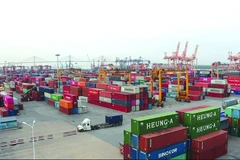
According to the Central Coordination Office for New-style Rural Development, 48 out of 79 5-star OCOP products, equivalent to 60.7%, have successfully entered high-standard markets such as the US, Europe, and Japan. Key export items include vermicelli, instant bamboo shoots, fish sauce, coffee, and macadamia nuts, all of which are significantly contributing to rural economic development.
Unlocking new growth opportunities
The growing international presence of 5-star OCOP products underscores the ability of Vietnamese enterprises to scale up production while meeting stringent export requirements. Beyond economic gains, these products serve as cultural ambassadors, showcasing Vietnam’s rich traditions and local craftsmanship.
Ngo Truong Son, Head of the Central Coordination Office for New-style Rural Development, highlighted the programme’s role in transforming small-scale agricultural production into integrated value chains, ensuring stable raw material supplies. Currently, 48.3% of OCOP businesses have established sustainable sourcing models, while 55.6% have seen increased product value. This progress has created new job opportunities and strengthened rural economies, particularly in disadvantaged areas.
Vietnam’s diverse production conditions and cultural heritage offer immense potential for developing unique, regionally distinctive products. Recent surveys by the Ministries of Agriculture and Rural Development, and Industry and Trade show a strong global demand for OCOP products, particularly among Vietnamese communities in Europe and the US.

After nearly two years of market trials, the Central Coordination Office for New-style Rural Development has identified key strengths and opportunities for expanding OCOP exports. With growing confidence, Vietnamese OCOP products, especially those rated 4-star and 5-star, are poised to make deeper inroads into global markets, further reinforcing their roles as cultural and economic ambassadors.
To sustain this momentum, local authorities are intensifying efforts to boost production, stimulate domestic consumption, and enhance trade promotion.
Experts also stressed the need for strict quality control, recommending ongoing monitoring and swift action against products that fail to meet safety and quality standards. These measures are essential to safeguarding the reputation of OCOP products and solidifying their standing in the international marketplace./.