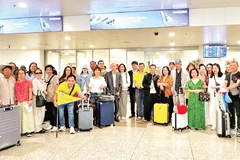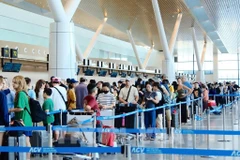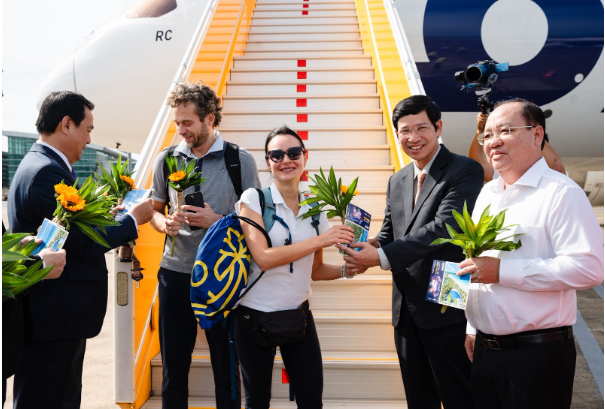
Hanoi (VNA) - The fact that Phu Quoc Island welcomed Vietnam’s 10-millionth international visitor in 2016 and its 20-millionth in 2025 is not merely symbolic. These milestones reflect the inevitable outcome of sustained development in infrastructure, tourism products, and destination capacity.
Looking back, Vietnam’s international tourism doubled in scale in less than a decade, rising from 10 million international arrivals in 2016 to 20 million in 2025 – an exceptionally rapid growth rate in the region. During the same period, Thailand recorded an increase of around 19%, while Singapore grew by approximately 8%, despite their larger visitor bases. This trajectory signals Vietnam’s transition from an “emerging destination” to a new tourism hub in the region, distinguished by strong momentum and clear potential for further expansion in international markets.
Within this phase of accelerated growth, Phu Quoc stands out as a representative destination. The island has repeatedly been chosen as the setting for major milestones in Vietnam’s tourism development, underscoring its distinctive position within the national tourism landscape.
In 2016, when Vietnam welcomed its 10-millionth international visitor, Phu Quoc was widely regarded as the embodiment of a new chapter in the country’s tourism journey – shifting from a purely nature-based destination toward a more structured, investment-driven resort model with an increasingly international outlook.
By 2025, Phu Quoc had emerged as one of the fastest-growing tourism destinations in the country, playing a pioneering role and serving as a key driver for international visitor growth. The pilot policy granting visa-free entry to all international travelers for stays of up to 30 days has given the island a clear competitive edge over many regional destinations, while also attracting longer-stay, higher-spending international visitors.

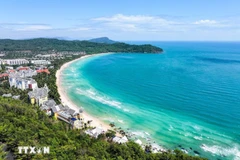
Between 2023 and 2025, Phu Quoc consistently ranked among the most searched island destinations in Asia on international travel platforms and appeared frequently in prestigious global rankings for resort destinations, island tourism, and premium travel experiences. International media coverage has not only praised the island’s natural beauty but also highlighted the dramatic transformation of its urban tourism landscape and the steady improvement in service quality.
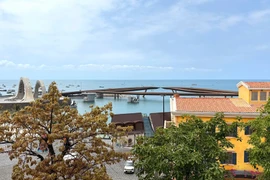
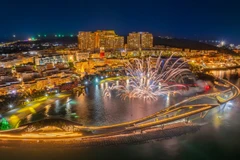
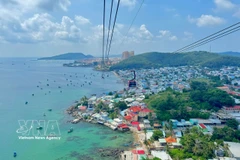
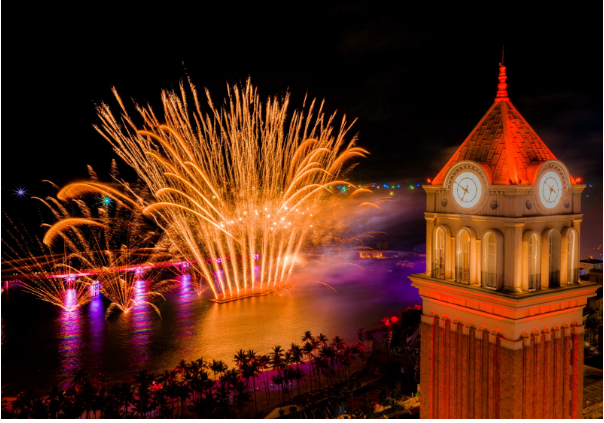
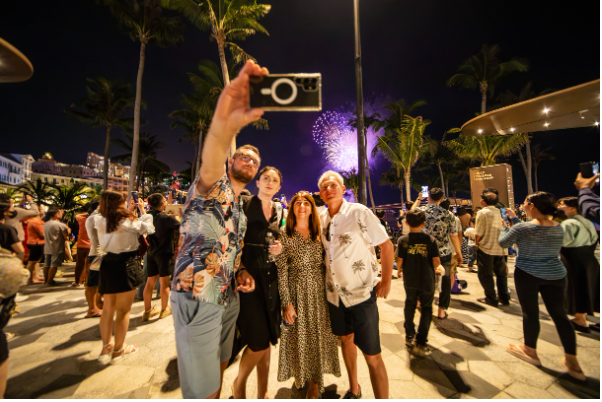
One of the aspects that has most impressed international media is Phu Quoc’s portfolio of tourism products and experiences found nowhere else. The world’s longest three-wire cable car to Hon Thom Island has been described by CNN and Lonely Planet as a must-try experience for any visitor. Sunset Town, with its night market and cascading hillside streets, has been recommended by Expedia’s travel experts to travelers worldwide. Travel + Leisure has expressed admiration for the nightly fireworks displays at Sunset Town, as well as for the Guinness World Record-holding Kiss of the Sea show. Phu Quoc is also home to iconic landmarks such as Kiss Bridge – the world’s only “non-touching” bridge – which drew admiration from CNN immediately upon its debut.
Beyond these attractions, the island has increasingly gained recognition as a luxury resort destination, marked by the arrival of leading global hotel brands. Since the opening of JW Marriott Phu Quoc Emerald Bay in 2018, the island has officially entered a new era as a five-star resort destination, welcoming names such as Hilton, Accor, Rosewood, and Marriott International.
Commenting on the growth of Phu Quoc’s tourism sector, Ho Anh Phong, Deputy Minister of Culture, Sports and Tourism, emphasized that: “Phu Quoc’s position on the tourism map of Vietnam and the world has continued to improve and strengthen. In recent years, Phu Quoc’s tourism has shown a remarkably strong recovery and growth, and this momentum is expected to continue in the time ahead.”
Phong also noted that despite already welcoming large volumes of international visitors, not only in increasing numbers but also with more diversified source markets, improved visitor quality, and higher spending levels, Phu Quoc still possesses substantial room for development, with untapped potential and advantages yet to be fully realised. “With the current level of connectivity and the clear orientation in tourism development, we are confident that Phu Quoc will achieve even stronger breakthroughs in the coming period, contributing meaningfully to the overall growth of Vietnam’s tourism industry and the national economy,” he affirmed.
From the milestone of welcoming the 10-millionth international visitor in 2016 to reaching 20 million in 2025, Phu Quoc has moved beyond the role of a conventional tourism destination to become a symbol of Vietnam’s capacity for development, integration, and destination management in a new era. As Vietnam prepares to host major international diplomatic and economic events, particularly APEC 2027, Phu Quoc is expected to continue serving as a pioneering destination – supporting tourism growth while reinforcing the image of a dynamic, deeply integrated Vietnam with the capability to host regional and global events./.