Vietnamese students shine at global ICT competition

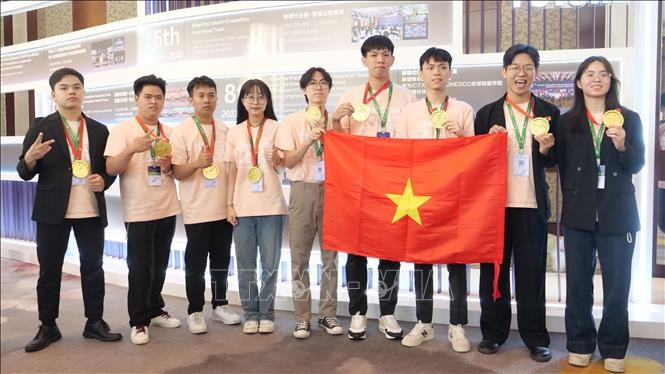
Vietnam was represented by nine students from five universities, grouped into three teams. All teams delivered strong performances, with one team claiming first prize in the Cloud Computing category, another securing second place in the Computing Track, and the third team winning third prize in the Network Track.

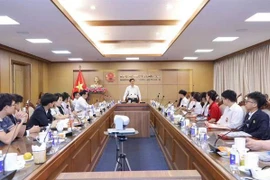
Nine Vietnamese students shine at global ICT competition (Photo: VNA)

Beijing (VNA) - Vietnamese students earned high marks at the 2024–2025 Huawei ICT competition, which concluded on May 24 in Shenzhen, China.

This year’s event saw record participation, attracting over 210,000 teachers and students from more than 2,000 institutions across 100 countries and territories. A total of 179 teams from 48 countries advanced to the global finals.

Vietnam was represented by nine students from five universities, grouped into three teams. All teams delivered strong performances, with one team claiming first prize in the Cloud Computing category, another securing second place in the Computing Track, and the third team winning third prize in the Network Track.

Participants noted the competition offered valuable opportunities for learning and cultural exchange, with some expressing hope that their achievements will inspire more Vietnamese youth to pursue careers in technology.

The Huawei ICT Competition has been held annually since 2015, attracting over 960,000 participants from more than 2,000 universities and institutes across 100 countries and territories. The event aims to provide an international platform for students to compete and exchange knowledge, while enhancing their ICT expertise, practical skills, and capacity for innovation, thereby contributing to the advancement of global digital technology./.

VNA

See more

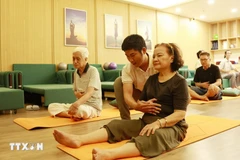
Elderly people take part in activities at a daytime care centre for senior citizens. (Photo: VNA)

Making breakthroughs via policies for older persons

The Politburo’s Resolution No. 72-NQ/TW on groundbreaking solutions to strengthen the protection, care and improvement of public health sets the target of raising average life expectancy to 75.5 years by 2030, with at least 68 years lived in good health.

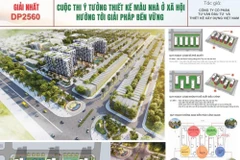
One of the first-prize winning entries in the “Social housing prototype design ideas – Towards sustainable solutions” contest. (Photo courtesy of the organising board)

Highly applicable social housing design ideas honoured

According to the organising board, the award-winning entries will provide an important foundation for the Ministry of Construction to continue research and develop prototype and typical designs for broad use in localities.

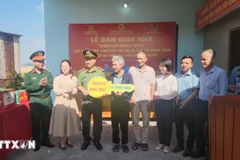
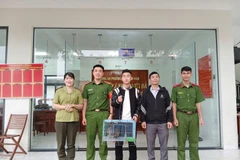
Trinh Quoc Phu (centre) voluntarily hands over a rare forest night heron to the police and authorities of Quy Nhon Nam ward. (Photo: baogialai.com.vn)

Gia Lai rangers receive rare forest night heron

The handover reflects the growing awareness and sense of responsibility among local residents in protecting wildlife, contributing to law compliance and biodiversity conservation efforts in the area.

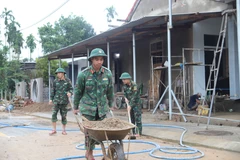
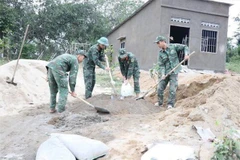
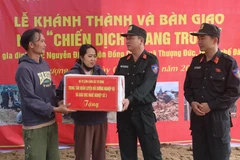
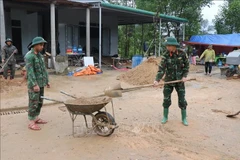
Hue officers, soldiers and local residents in the central city of Hue are working at full speed to complete solid new homes for natural disaster-hit families (Photo: VNA)

Swift campaign brings Tet homes to storm-hit residents in Hue

Quang Trung Campaign is not merely a task, but a political responsibility and a heartfelt commitment to the people. The guiding principle is to act as swiftly and decisively as possible, ensuring no family is left without shelter, especially in the days leading up to Tet, said Major General Nguyen Thanh Tuan, Director of the Hue Department of Public Security.

Fishermen in the Dong Tac fishery port of Phu Yen ward, Dak Lak province, prepare for a new trip after storm. (Photo: VNA)

Dak Lak supports fishermen in occupational transition

As of December 5, 2025, Dak Lak had 2,556 fishing vessels, with an annual marine catch of around 68,000 tonnes. An estimated 2,900 workers are in need of occupational transition, as most have limited educational backgrounds, unstable incomes and are increasingly ageing.