Hanoi (VNA) – HSBC has raised its forecast for Vietnam’s GDP growth in 2025 to 7.9% from 6.6%, following the country’s exceptional third-quarter performance.
In its latest “Vietnam at a glance” report released on October 28, the lender said Vietnam surprised the market with growth hitting 8.2% in the third quarter, making it the fastest-growing economy in the Association of Southeast Asian Nations (ASEAN).
This was the second consecutive quarter the Vietnamese economy has expanded by more than 8%, easily exceeding expectations.
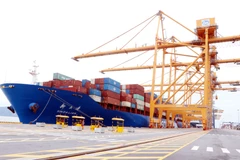
While exports to the US from other Association of Southeast Asian Nations (ASEAN) economies have seen notable moderation as frontloading activities fade, Vietnam’s trade performance remains strong with double-digit growth. Even more encouraging is the size of the trade surplus in Q3, which doubled compared with the first half of this year, thanks to a widening surplus with trading partners other than the US. This partly reflects elevated AI-driven tech demand, benefiting tech-oriented economies.
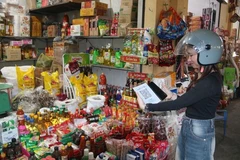
According to HSBC, despite difficulties in goods trade, the service sector has also contributed to sustaining growth. Retail sales have seen significant improvements, while tourism continues to grow strongly, with Vietnam leading ASEAN in tourism recovery.
Keep striding
Following the surprise in the growth of ASEAN economies in Q2, strong momentum has continued, particularly for trade-dependent countries like Singapore and Malaysia, but Vietnam’s performance stood out.
Vietnam delivered remarkable growth in Q3, reaching 8.2% year-on-year, sustaining the strong momentum from Q2. This outperformance easily beat market expectations of 7.2%, once again making Vietnam the fastest-growing economy in ASEAN.
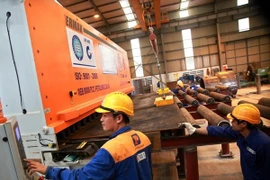
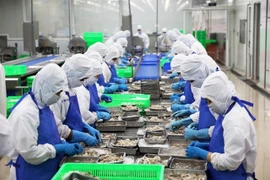
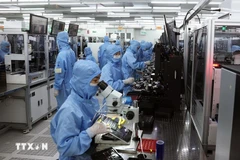
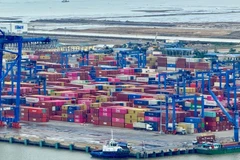
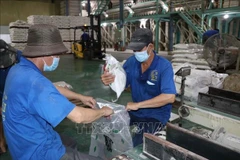
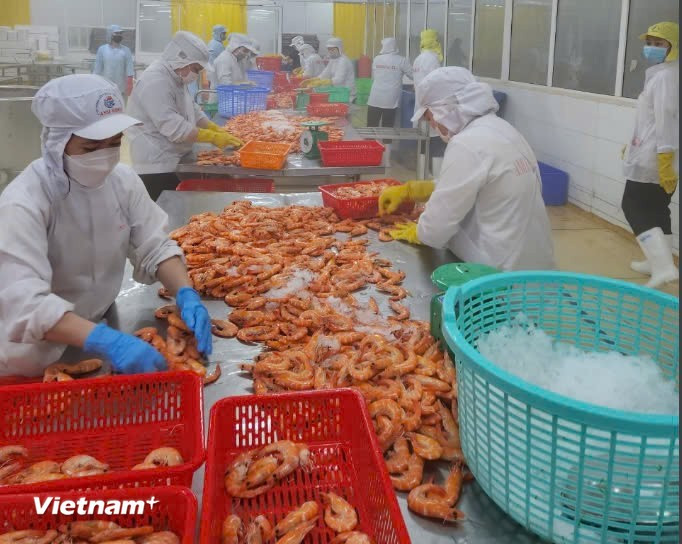
What surprised HSBC the most was the resilience of externally oriented industries, reflected in manufacturing and trade. Despite an uncertain global trade environment, the index of industrial production (IIP) grew 10% year-on-year in Q3. Not surprisingly, trade continued to boom, with both exports and imports recording close to 20% year-on-year growth.
Even more encouraging is the trade surplus Vietnam has maintained, which more than doubled to 3 billion USD in Q3 from the first half of 2025. This indicates that Vietnam has widened its trade surplus with partners other than the US, although the latter remains its largest export destination, accounting for one-third of the total, HSBC noted.
While frontloading trade activities have peaked across ASEAN, Vietnam’s export growth to the US market was elevated, reflecting another trend seen across Asia: tech-exposed economies are benefiting from strong AI-driven tech demand, providing solid support for trade.
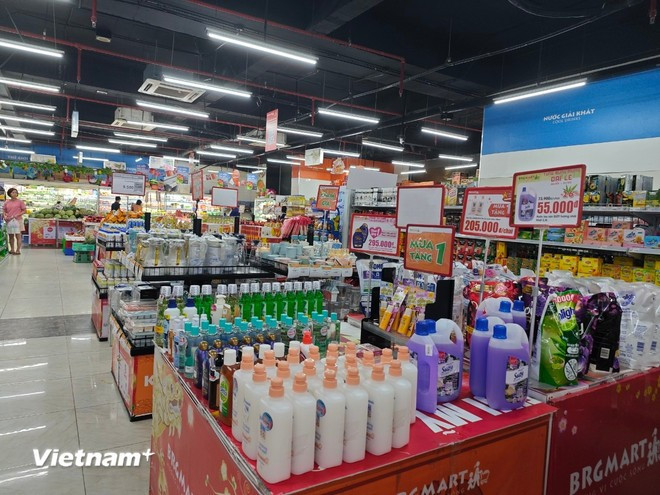
In addition to trade resilience, the services sector continued to record strong growth. Consumer-oriented retail sales have shown meaningful improvement, rising 12% year-on-year in Q3, narrowing the gap with the pre-pandemic trend to just 3%, down from 10% at the start of 2025.
Meanwhile, tourism-related sectors, including transport and accommodation, are also experiencing a sustained boom.
From a demand-side perspective, real consumption expanded by over 8% year-on-year, while real investment grew nearly 10% year-on-year in Q3. In particular, accelerating mega infrastructure projects remains a key priority. There is still room for further expansion, as the disbursement rate of public investment reached only 50% of the annual target as of Q3.
Alongside public investment, foreign direct investment (FDI) remains a crucial driver of Vietnam’s growth. Since April, concerns have been raised about the sustainability of FDI inflows. Total FDI rose 15% year-on-year as of Q3, but newly registered FDI fell 9%. Interestingly, Vietnam’s FDI composition has shifted this year. In 2024, Singapore, the Republic of Korea (RoK), and China were the top three investors. However, Singapore and China now each account for around a quarter of new FDI, while the RoK’s share has declined, with the US filling the gap.
In other words, despite trade uncertainties, the world’s two largest economies have continued to pour investment into Vietnam./.