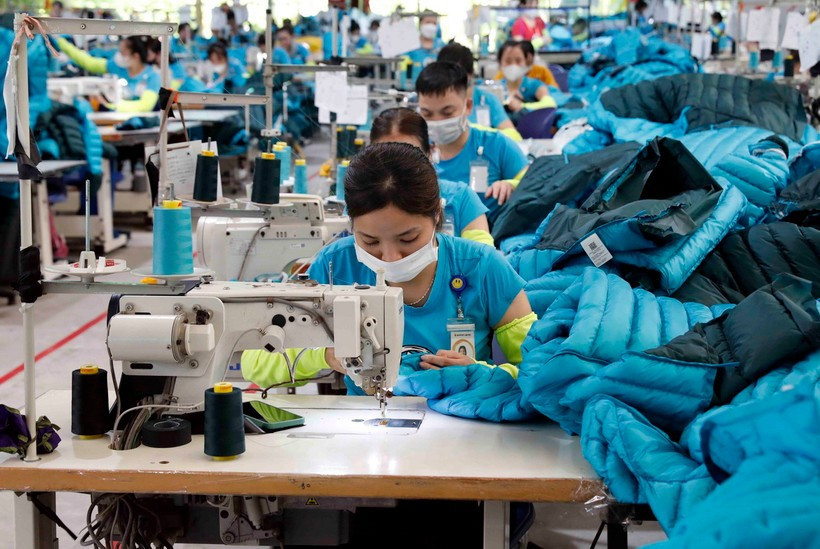
Hanoi (VNA) – Canada has continued to stand out as a bright spot for Vietnam’s textile and garment exports despite ongoing tariff challenges, with growth estimated at around 10% in 2025 to over 1.3 billion USD, mostly thanks to advantages from the Comprehensive and Progressive Agreement for Trans-Pacific Partnership (CPTPP), strong product quality, and Canada’s push to diversify supply sources.
At the international textile and apparel exhibition held in Toronto in 2025, products from two Vietnamese firms – Bao Minh Textile JSC and Viet Hong Textile Dyeing JSC – attracted considerable interest from Canadian and North American buyers. Viet Hong showcased its signature denim fabrics, while Bao Minh focused on mid- to high-end yarn and fabric products produced through a fully integrated manufacturing chain.
Speaking to a Vietnam News Agency (VNA) correspondent in Canada, Bob Kirke, Executive Director of the Canadian Apparel Federation, said Vietnamese textile products are of high quality but face intense competition.
He noted that Canada is not a large market and that many Vietnamese-made products are currently supplied through international brands. He said his federation hopes to establish direct partnerships among Canadian and Vietnamese companies, holding that a targeted approach to some Canadian firms will be key for Vietnamese companies to deepen market penetration.
According to Viet Hong’s Sales Director Romeo M. Ordas, the company sources cotton from Vietnam, Brazil and Australia – all CPTPP members – ensuring eligibility for preferential tariffs. Viet Hong, which currently has a capacity of 1.2 million metres per month and plans to expand to 2 million metres to meet rising export demand. has completed preparations to expand further into the Canadian market and aims to secure a larger market share.
For Bao Minh, this marks its first attempt to explore opportunities in Canada, following prior export experience to the US. Specialising in woven fabrics, the company has fully mastered its closed-loop production process, from yarn to finished products, enabling it to fully benefit from CPTPP preferences. Bao Minh is targeting the mid- and high-end segments, focusing on quality to meet Canada’s stringent requirements.
Pham Quang Hai, in charge of business development at Bao Minh, said that participation at the exhibition helped the firm better understand market expectations and establish channels for further cooperation.
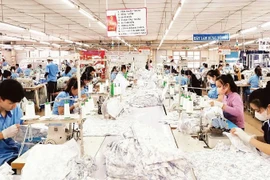
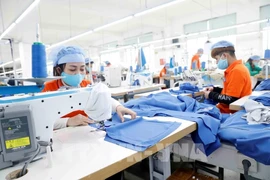
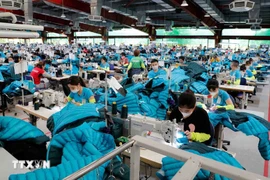
Vietnamese textile enterprises have shown strong adaptability by adjusting production processes and product lines to meet the strict standards of the Canadian and North American markets. As a result, Vietnam’s textile and garment exports to Canada doubled from 600 million USD to 1.2 billion USD in 2024 following the implementation of CPTPP, with export value remaining stable thanks to recognised quality and compliance.
Vietnamese Trade Counsellor in Canada Tran Thu Quynh said Vietnam has long been regarded as a reliable supplier of high-standard textile products capable of meeting demanding technical requirements. She added that many Canadian investors are establishing manufacturing facilities in Vietnam, not only to export back to North America but also to use Vietnam as a hub for distribution across the Asia-Pacific and global markets.
At the exhibition, Vietnamese textile enterprises conveyed a clear message - Vietnam is not merely a sourcing destination, but a sustainable and trustworthy long-term partner capable of meeting high standards, strengthening production linkages, and co-developing brands in global value chains./.
VNA